The best grass seed for Indiana clay is turf-type tall fescue, ideally in a blend with a smaller amount of Kentucky bluegrass. Fescue roots two to three feet deep, so it handles clay's poor drainage and summer heat; the bluegrass spreads to fill and repair. Skip cheap mixes heavy on annual ryegrass.
Pick the wrong grass seed for Indiana clay and you'll be reseeding forever. The bargain "sun and shade" bag at the hardware store greens up fast, looks great for a month, then thins out the first hot, dry stretch of summer — because it's full of grasses that can't handle our compacted, poorly draining soil. The right seed does the opposite: it roots deep, tolerates the wet-then-dry swings, and stays thick with a lot less work. After years of building and rescuing lawns across The Region, here's what we plant on clay and why.
Why Indiana clay is hard on grass
Before the seed, understand the enemy. Northwest Indiana soil is heavy clay — dense, slow-draining, and quick to compact under any traffic. For grass, that creates three problems at once:
- Shallow roots. Compacted clay resists roots, so grass that can't push down stays shallow and dries out fast in July.
- Poor drainage up top. Water sits on the surface after storms, suffocating roots and inviting disease.
- Then it bakes. The same clay that held water in spring turns brick-hard and dry by late summer.
Grass that survives here has to do two contradictory things: tolerate wet feet in spring and drought in summer. That narrows the field fast.
The winner: turf-type tall fescue
If we could plant only one grass on Indiana clay, it would be turf-type tall fescue. It's the best all-around cool-season grass for our conditions, and it's not close.
Here's what makes it win:
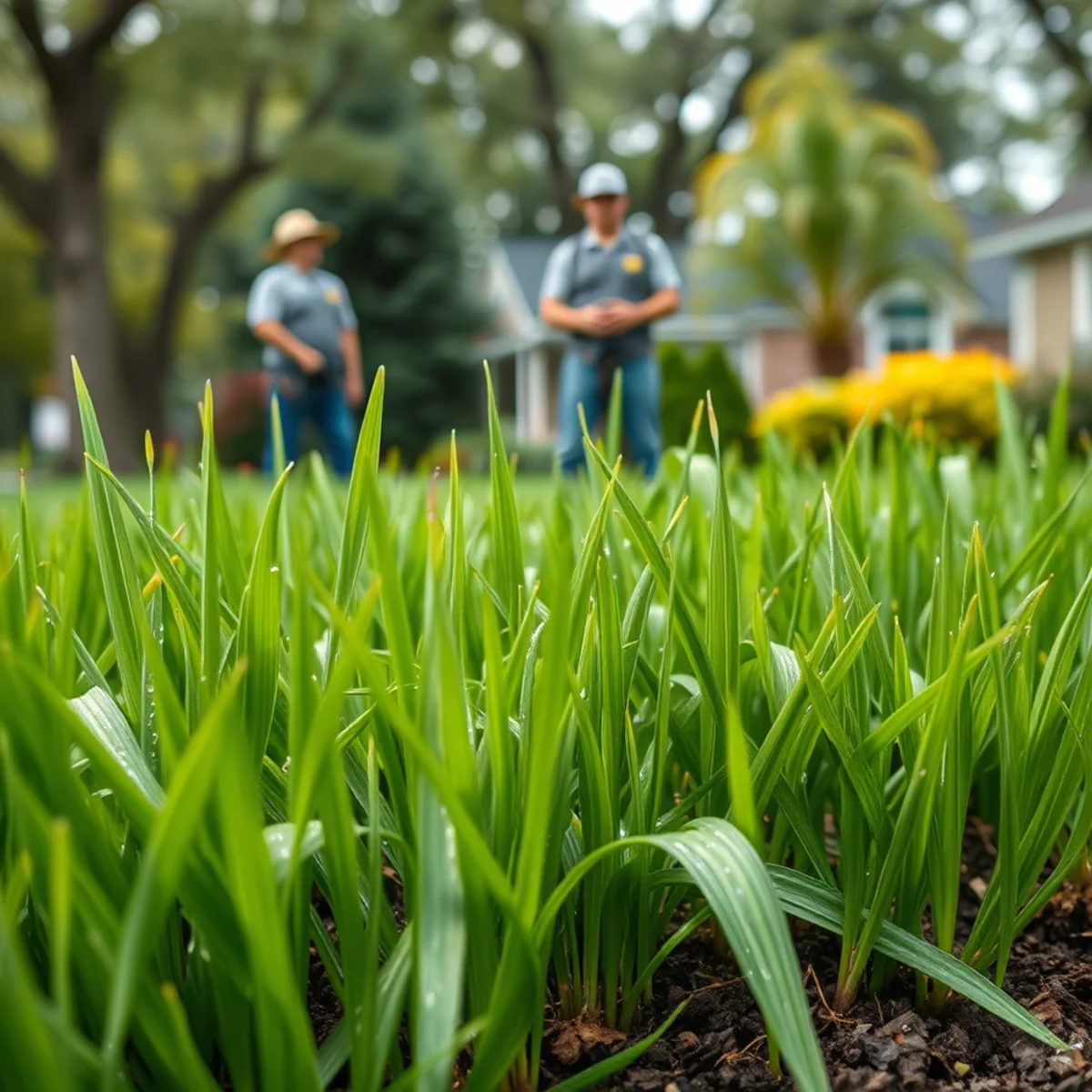
- Deep roots. Tall fescue sends roots two to three feet down when the soil allows — far deeper than bluegrass or ryegrass. Those deep roots reach moisture during dry spells and let the lawn shrug off heat that browns everything else.
- Drought and heat tolerance. It stays green through the hot, humid stretches that stress other cool-season grasses.
- Handles clay's poor drainage. It tolerates the heavier, wetter soil better than most turfgrasses.
- Wear tolerance. It takes foot traffic, kids, and dogs without thinning.
"Turf-type" matters — these modern fescues are fine-bladed and dense, nothing like the coarse pasture fescue of decades past. They look like a proper lawn, not a hayfield.
The supporting player: Kentucky bluegrass blends
Tall fescue has one weakness: it grows in bunches and doesn't spread to repair itself. That's where Kentucky bluegrass comes in. Bluegrass spreads by underground runners, knitting the lawn together and filling small bare spots on its own.
The catch is that bluegrass is shallower-rooted and thirstier than fescue, so a pure bluegrass lawn struggles on clay in a dry summer. The answer is a blend: mostly turf-type tall fescue for toughness and deep roots, with a smaller percentage of Kentucky bluegrass for self-repair and a finer look. That combination gives you a lawn that's both durable and able to heal itself.
Skip anything heavy on annual ryegrass — it germinates in days, which is why cheap mixes use it as filler, but it dies out just as fast and leaves you with gaps.
Seeding rates and soil prep that actually work
Great seed on bad prep still fails. On clay, the ground work matters more than almost anything.
Prepare the soil first
- Test it. A Purdue Extension soil test tells you pH and what the clay is short on before you spend a dime on seed. Grass struggles outside a roughly 6.0 to 7.0 pH range.
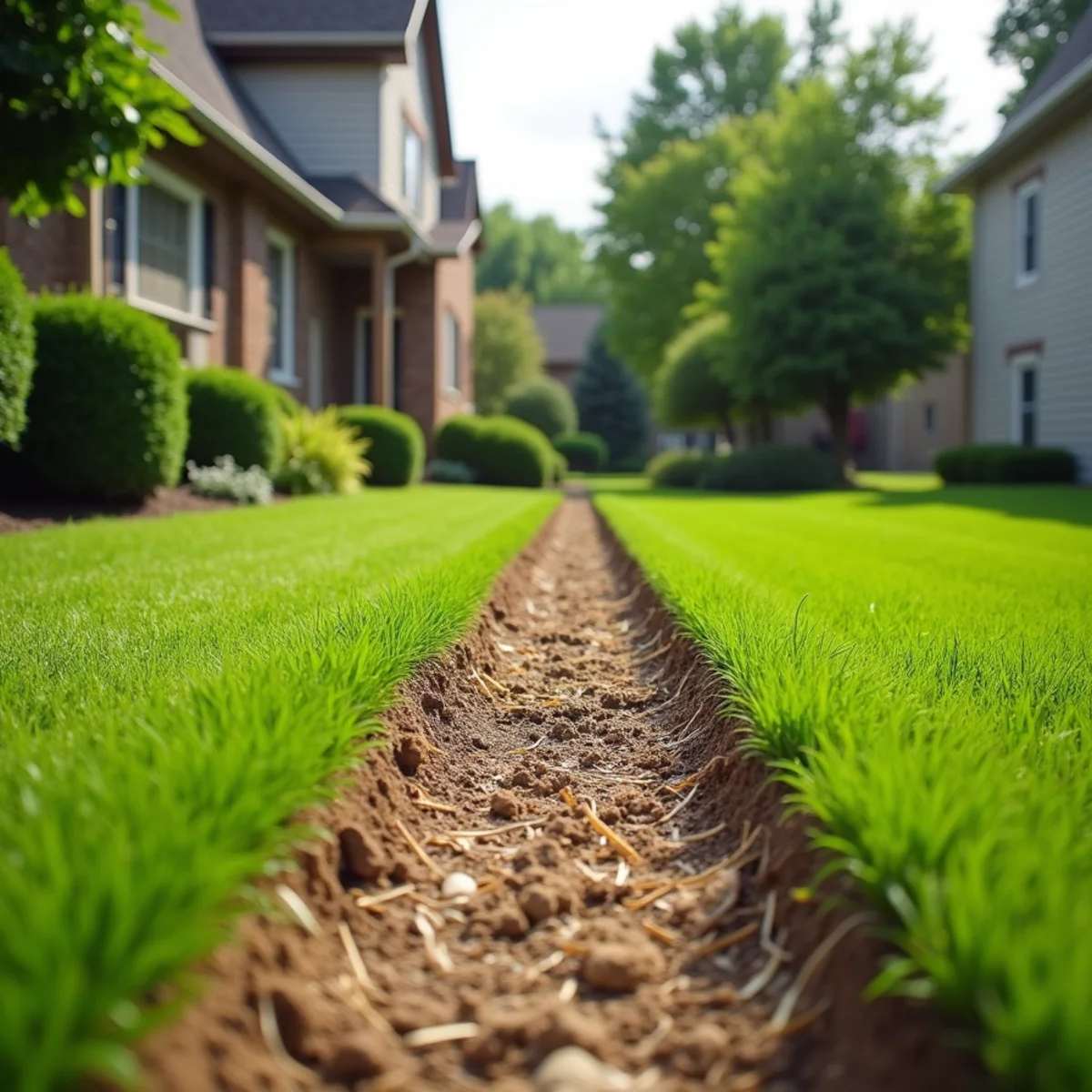
- Loosen and amend. Break up compaction and work in compost. Organic matter is the single best thing you can do for clay — it improves both drainage and moisture-holding, and gives roots somewhere to go.
- Rake to a firm, fine surface. Seed needs contact with soil, not clumps and thatch.
Get the seeding rate right
- New tall-fescue lawn from bare soil: roughly 6 to 8 pounds of seed per 1,000 square feet.
- Overseeding an existing thin lawn: about half that, 3 to 4 pounds per 1,000 square feet.
Too little seed leaves gaps for weeds; too much makes seedlings compete and thin themselves out. Cover lightly, keep the top inch consistently moist until germination, and don't let it dry out.
For a full new lawn — or a builder-grade lot scraped down to subsoil — seeding alone may not cut it, and starting from a proper base is what our lawn installation, sod, and seeding service is built for.
Don't skip drainage and feeding
Two things quietly decide whether your new lawn thrives.
First, drainage. If water stands on your lawn after every storm, no seed will save it — the roots drown before they establish. Standing water means the grade or the soil is working against you, and correcting it with drainage and grading solutions has to come first. Seed into a swamp and you're just feeding the mud.
Second, feeding on a schedule. New grass needs a starter fertilizer to root, then a steady program to stay thick and outcompete weeds. Tall fescue in particular rewards fall feeding. A planned lawn fertilization and weed control program timed to our Northwest Indiana seasons keeps a clay lawn dense enough that weeds can't get a foothold.
From the field
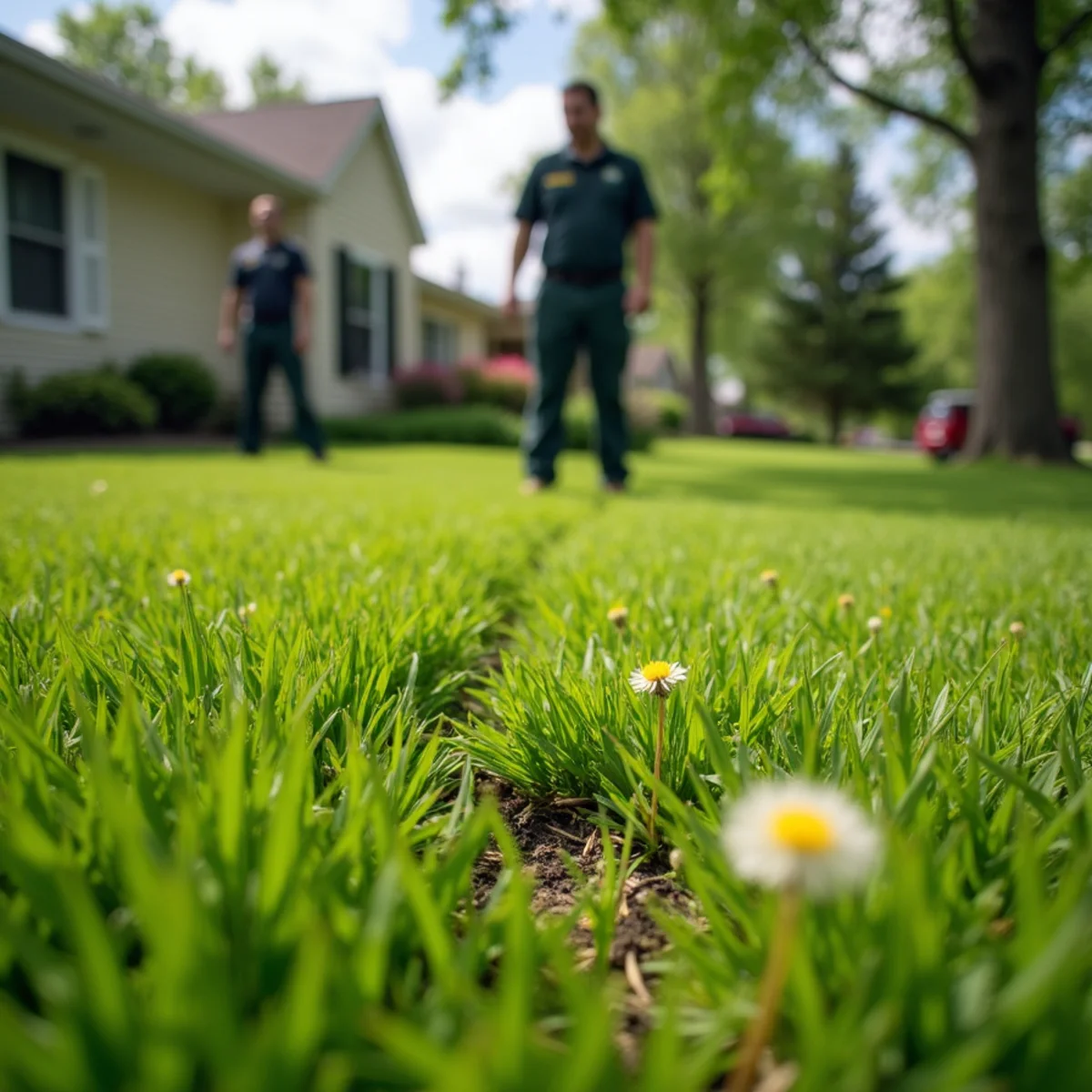
Here's the pattern we see over and over: a homeowner buys a good tall-fescue blend, throws it straight onto hard clay, waters for a few days, and gets a thin, patchy stand. The seed wasn't the problem — the seedbed was. Clay is too dense for seed lying on top to root; it needs contact. We drag a rake or run a slit-seeder so the seed drops into a firm, loosened surface, and that one step is the difference between 90 percent germination and 40.
The second thing we push hard is a bag with a recent test date and a named cultivar list, not a generic "sun and shade" label. Grass seed loses viability sitting in a hot warehouse, and the bargain bags cut the good fescue with annual ryegrass to hit a price. That ryegrass is what greens up in week one and fools you — then it dies out in the first July drought and leaves the gaps you'll be reseeding next spring. Pay for the better blend once and you stop paying for it every year.
Ready for a lawn that survives our clay?
The right seed, the right prep, and honest drainage work are what separate a lawn that lasts from one you reseed every spring. From Hobart to Portage, Rome's crew builds lawns designed for Northwest Indiana's ground, not a bag off a shelf. Request your free on-site estimate and we'll test your soil, check your drainage, and put down a seed blend that actually holds up.
Frequently asked questions
What is the best grass seed for clay soil in Indiana?
Turf-type tall fescue, ideally in a blend with a smaller amount of Kentucky bluegrass. Fescue's deep roots handle clay's poor drainage and summer heat, while the bluegrass helps the lawn spread and repair itself. Avoid cheap mixes heavy on annual ryegrass.
Can I just throw seed on top of my clay lawn?
You can, but results will be poor. Clay is too dense for good seed-to-soil contact on its own. Loosening the surface, working in compost, and raking to a firm, fine seedbed makes the difference between a thick lawn and a patchy one.
When should I seed a new lawn in Northwest Indiana?
Late summer into early fall — roughly late August through September — is ideal. Warm soil speeds germination, cooling air favors root growth, and weed pressure is low. Spring is the second-best window if you can't wait until fall.
How long until new grass is established?
You'll see germination in one to three weeks depending on temperature, but a lawn isn't truly established until it's been mowed several times and rooted in, usually two to three months. Keep traffic off it and hold weed killers until then.
Need help with lawn installation?
The crew behind this guide handles lawn installation (sod & seeding) across Hobart and Northwest Indiana. Get a free, no-pressure on-site estimate.