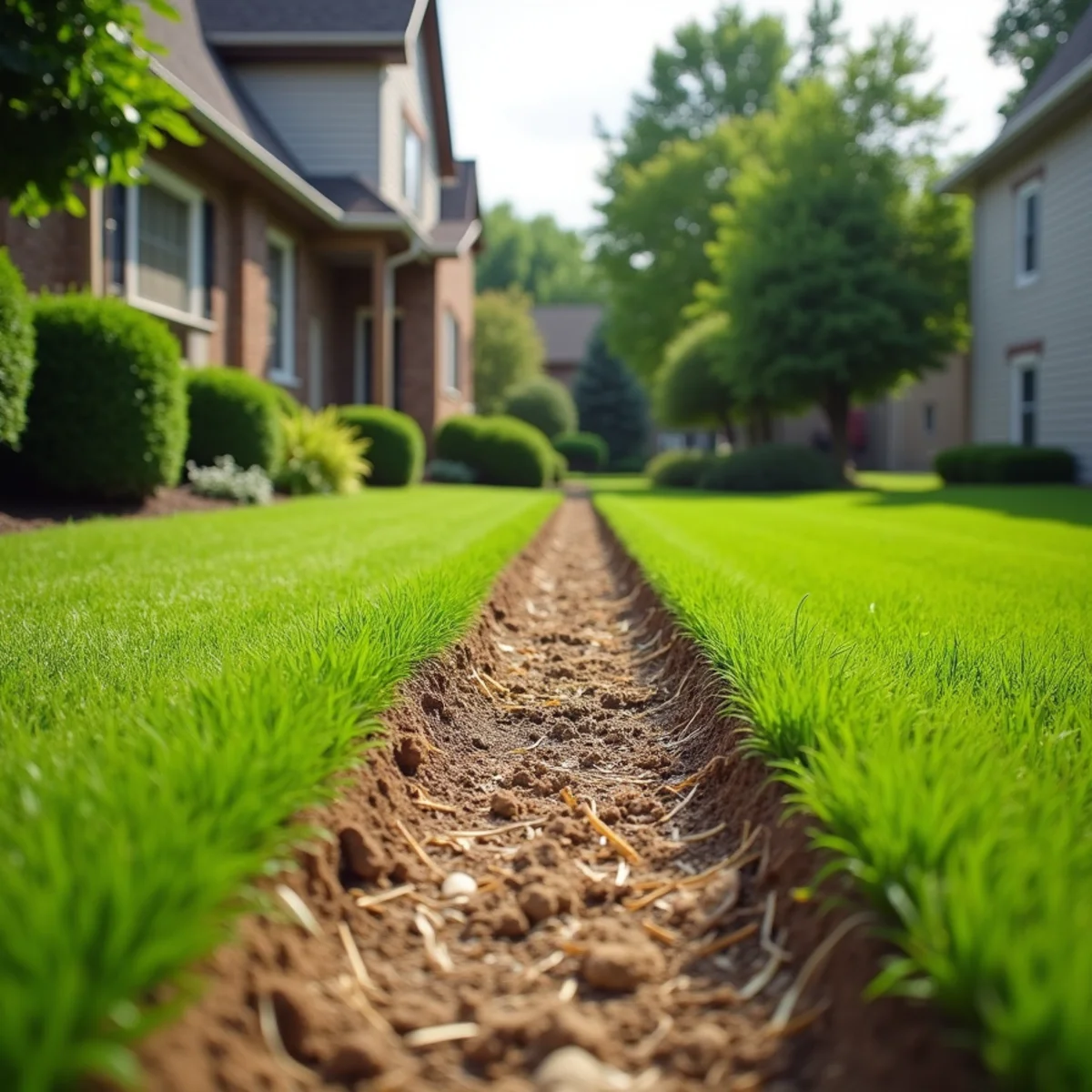
For a new lawn in Northwest Indiana, sod gives you a finished, walkable yard in a day and is the safer pick for slopes and high-traffic lots, while seed costs less and lets you match the blend to your conditions if you can wait a season for it to fill in. On our heavy clay, though, the method matters less than the soil prep underneath it — skip that and either one fails.
Starting a lawn from scratch — after construction, a pool install, or a tear-out of turf that's more weed than grass — comes down to one early fork: lay sod or sow seed. Both work well here when the groundwork is done right, and both disappoint when it isn't. Here's an honest comparison for a Northwest Indiana yard, where clay and freeze-thaw change the math.
The short version
- Choose sod when you want an instant lawn, you're on a slope that would wash out, you have kids or dogs using the yard now, or you're seeding outside the good windows and don't want to wait.
- Choose seed when budget is the priority, you want to dial in a specific grass blend for sun or shade, and you can protect and water a young lawn for a full season.
Everything below is the detail behind that call.
Sod: an instant, finished lawn
Sod is mature turf grown on a farm and laid down in strips over prepared soil. The day we finish, you have a green, even lawn.
- Instant result. No bare dirt to stare at, no mud tracked inside for weeks.
- Erosion control. On any slope, sod holds the soil in place from minute one. Seed on a slope tends to wash into the low corner with the first hard Region storm.
- Fewer weeds early. A dense sod carpet leaves little room for weed seeds to get started.
- Flexible timing. Sod can go down through most of the growing season as long as it's kept watered.
The tradeoffs are a higher up-front cost and a two-to-three-week window where it needs careful, frequent watering while the roots knit into the soil below.
Seed: cheaper, and you choose the grass
Seeding costs less because you're buying a bag of seed and starter fertilizer instead of pallets of grown turf. It also lets us match the blend precisely — more turf-type tall fescue for a sunny, clay-heavy yard, more fine fescue where trees throw shade.
- Lower material cost, especially over a big area.
- Blend control for your exact sun, shade, and soil.
- Deep roots from day one, since the grass grows in place rather than being transplanted.
The catch is patience and care. A seeded lawn needs weeks of light, frequent watering to germinate, it's vulnerable to weeds and heavy rain while it's young, and the best seeding windows here are narrow: late summer into early fall, or spring once the soil warms. Seed down at the wrong time on bare clay is money watching itself wash away.
The part that decides both: your clay
Here's what most "sod vs. seed" articles skip. In Northwest Indiana, the single biggest factor in whether a new lawn succeeds isn't the method — it's the soil prep. Our dense Lake County clay packs down like concrete, sheds water, and starves roots if you lay turf or drop seed straight onto it.
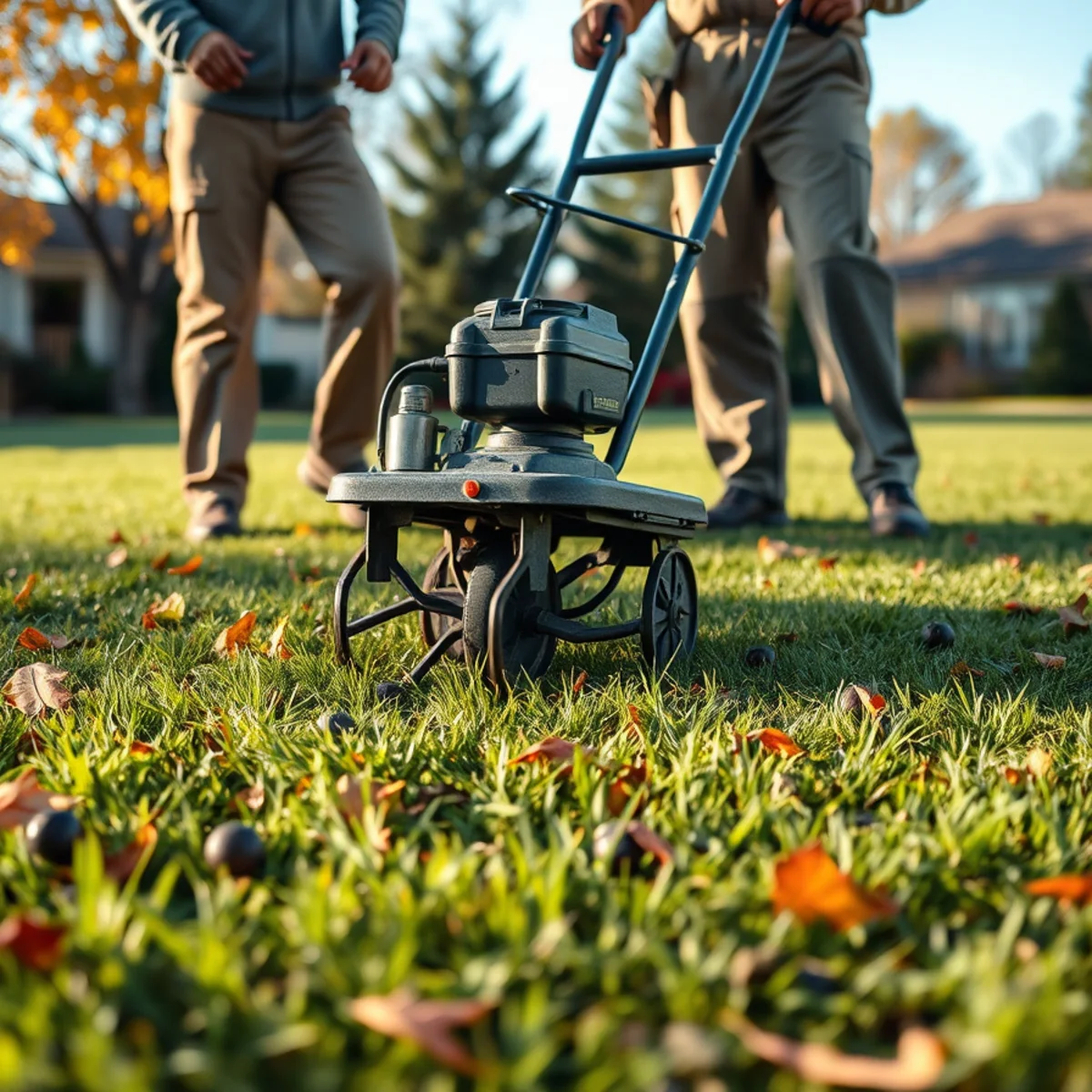
A lawn that lasts starts with clearing the old ground, correcting the grade so water drains away from the house, and tilling compost and topsoil into the clay to open it up. Only then does sod knit in or seed take hold. We prep the ground the same careful way for new lawn installation whether you choose sod or seed, because that's the part that actually determines the outcome. If water already pools in the yard, we fix drainage and grading first — no new lawn survives sitting in a swamp.
What we usually recommend, by yard
- New-construction lots near Crown Point and Winfield: often sod, to lock down bare, compacted builder soil fast and stop erosion.
- Established lawns in Schererville or Munster that have thinned over years: frequently a fall aeration and overseed first — sometimes that's all it takes, and it's cheaper than a full install.
- Shady, tree-heavy backyards: usually seed, so we can tune the blend to the light.
- Slopes and high-traffic front yards: usually sod, for instant stability.
The right answer is the one that fits your yard, your timeline, and your budget — which is exactly what the on-site estimate sorts out.
Ready to start your new lawn?
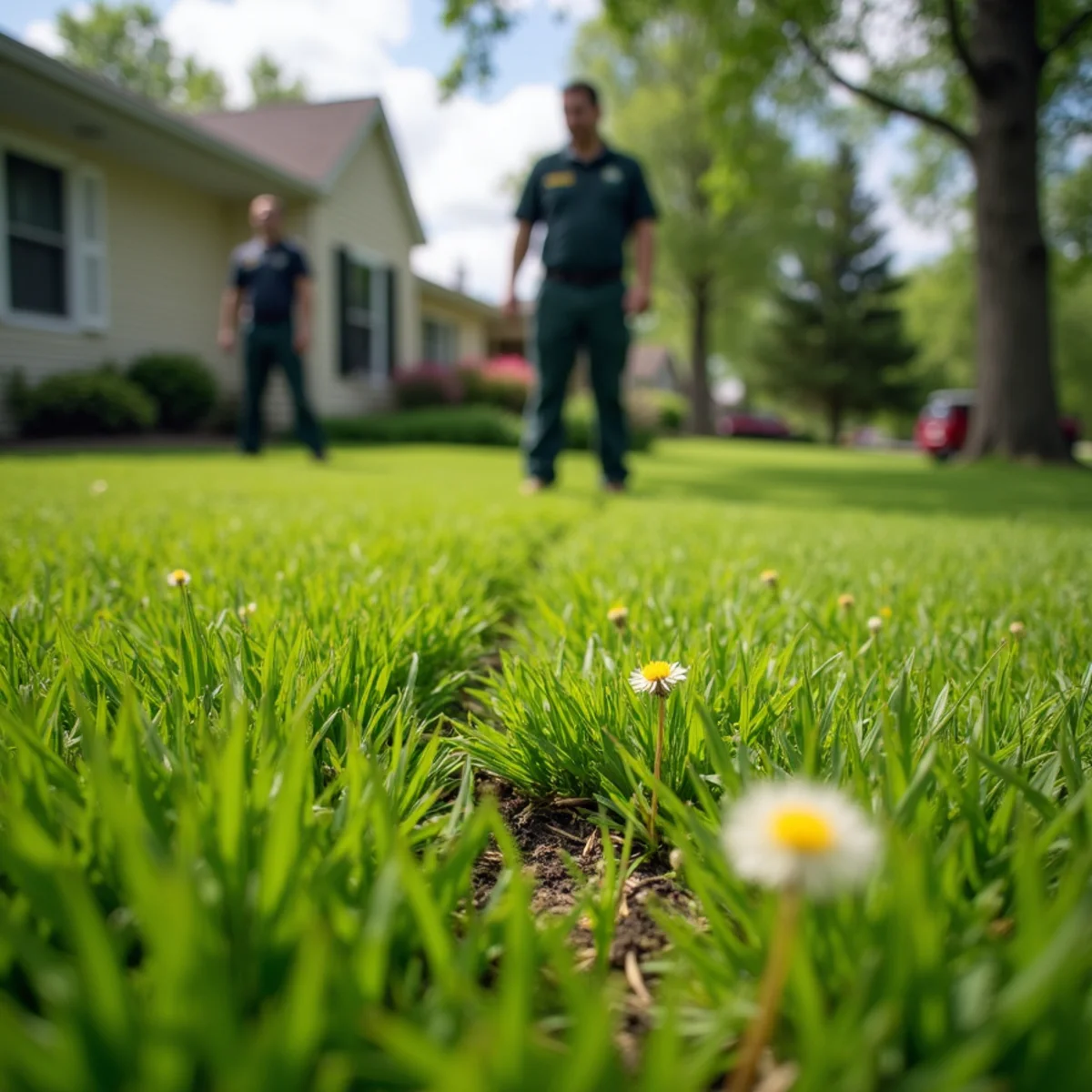
Whether sod or seed is right comes down to your yard — its slope, its light, how fast you need it, and what the clay underneath is doing. Rome and the crew will walk the property with you anywhere from Hobart to Crown Point, recommend the method that actually fits, and prep the ground so the grass roots in and stays. Reach out through our contact page for a free on-site estimate.
Frequently asked questions
Is sod or seed cheaper for a new lawn?
Seed is cheaper up front — you're paying for seed and starter fertilizer instead of pallets of grown turf. What you trade is time and care: a seeded lawn takes a full season of watering to fill in, while sod gives you a finished lawn in a day. On slopes or high-traffic yards, sod often saves money long-term by taking hold immediately instead of washing out.
How long before I can use a new lawn?
New sod usually roots enough for light foot traffic in about two to three weeks and can be mowed once it's anchored. A seeded lawn takes longer — stay off the young grass until it's established, and mow only after it reaches mowing height. Either way, the first few weeks of watering decide the result.
When is the best time to sod or seed in Northwest Indiana?
Sod can go down through most of the growing season, spring into early fall, as long as it's watered. Seeding does best in late summer into early fall, when the soil is still warm but the air is cooling and weed pressure drops. Spring seeding works too, once the ground warms up.
Can I just seed over my existing patchy lawn?
Sometimes. If the lawn is thin but not dead, a fall core aeration and overseed often thickens it back up without a full tear-out — and it costs far less. If it's more weeds than grass or badly rutted, a fresh install gives you a clean start. We'll tell you honestly which one your lawn needs.
Need help with lawn installation?
The crew behind this guide handles lawn installation (sod & seeding) across Hobart and Northwest Indiana. Get a free, no-pressure on-site estimate.