Lawn fertilization and weed control in Hobart, IN comes down to one thing: doing the right treatment at the right moment instead of one blanket spray a year. A thick, green lawn isn't luck — it's timing. Feed the grass when it can use it, stop weeds before they sprout, and treat grubs before they hollow out the roots, and clay-soil turf in Hobart can look as good as anything in The Region. Miss the timing and you spend the summer chasing crabgrass and watching the color fade. Romes Property Maintenance runs a multi-step seasonal fertilization and weed-control program built around Northwest Indiana's calendar and Hobart's heavy soil, so your lawn gets exactly what it needs, when it needs it.
The problems a good program solves
Homeowners come to us tired of fighting the same battles:
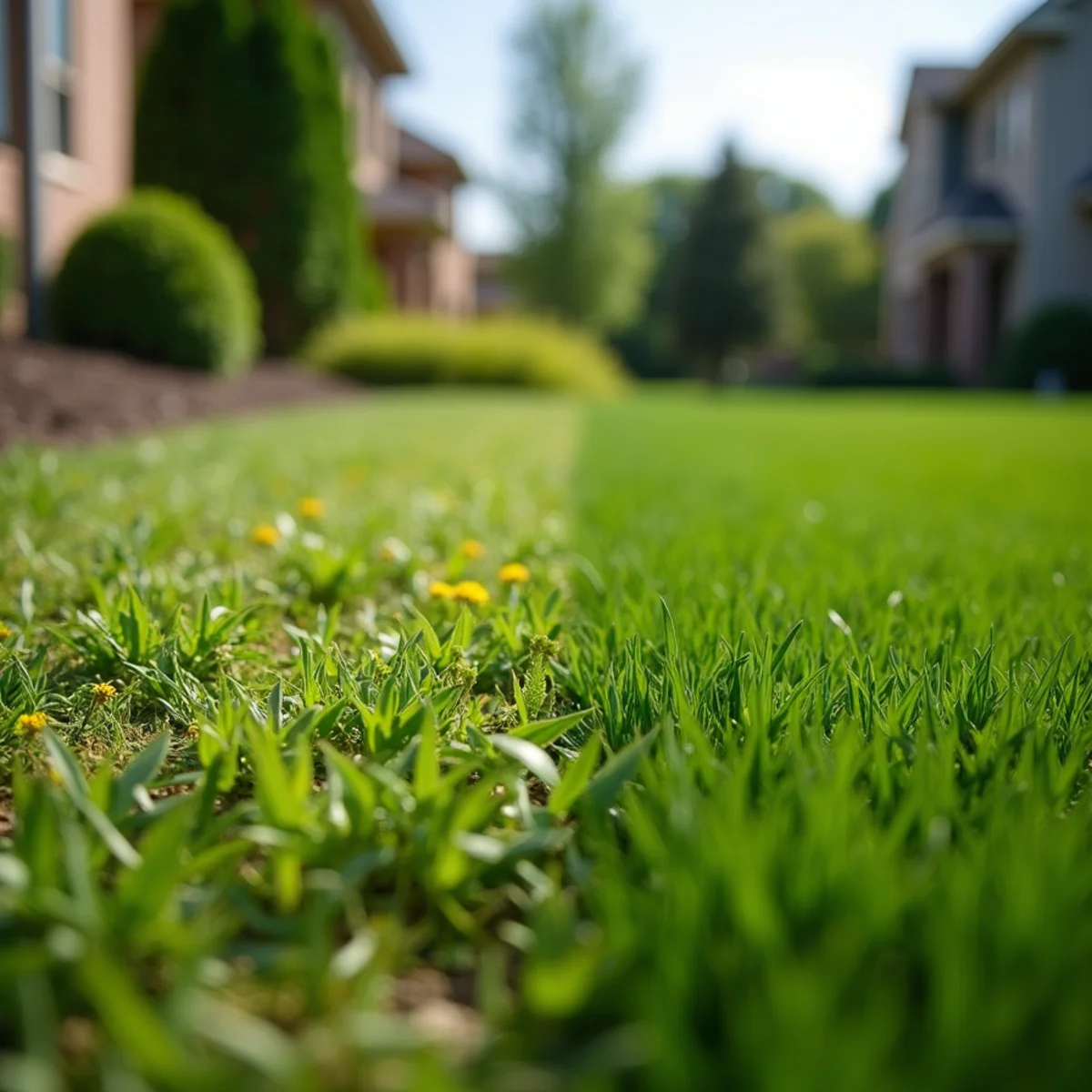
- Weeds taking over. Dandelions, clover, and creeping charlie in spring; crabgrass exploding by midsummer.
- Thin, pale grass. Turf that never fills in, stays yellow-green, and lets weeds move into the gaps.
- Grub damage. Spongy, peeling patches you can pull up like carpet, often with birds and skunks digging for the grubs.
- A lawn that struggles on clay. Compacted soil that starves roots of air and locks up nutrients so fertilizer just runs off.
- Guesswork and wasted product. Bags of store fertilizer applied at the wrong time, doing little but costing money.
The answer isn't more chemicals — it's the right treatment, timed to what the lawn and the weeds are actually doing.
What's included
Our program is a full season of care, not a one-off spray. A typical plan covers:
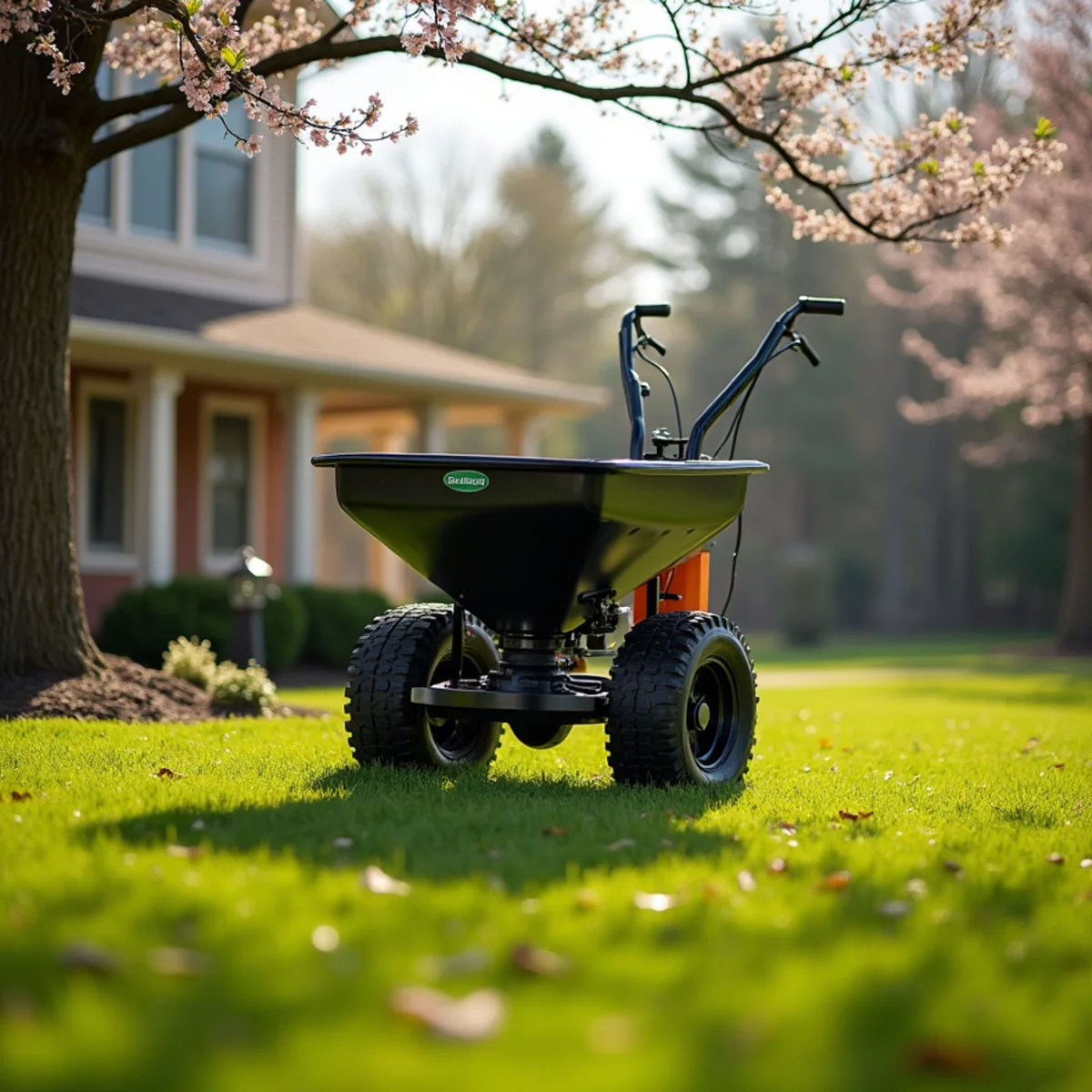
- Pre-emergent crabgrass control timed to soil temperature and growing degree days, not a fixed calendar date.
- Balanced granular and liquid feedings matched to each stage of the season — spring green-up, summer maintenance, and the heavy fall push.
- Broadleaf weed control with spot post-emergent treatment for dandelion, clover, creeping charlie, and the stubborn weeds that break through.
- Grub control applied in the summer window when young grubs are feeding near the surface and most vulnerable.
- Winterizing feeding in late fall to store energy in the roots for a fast, strong spring green-up.
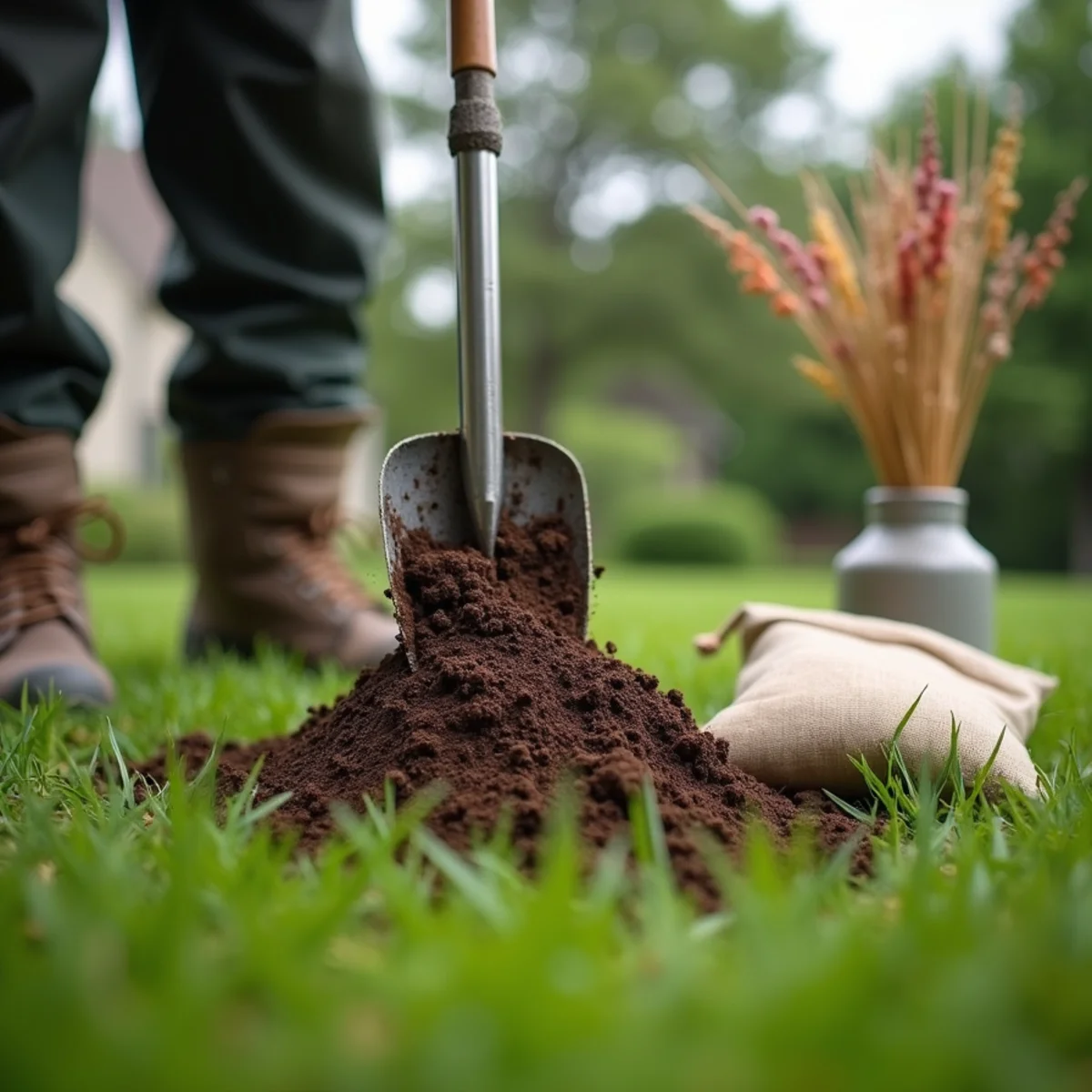
- Soil and compaction checks on every visit, with aeration and overseeding recommended when the clay needs opening up.
- A written plan laying out each application and what it's for, so you always know what your lawn is getting and why.
Our seasonal program, step by step
We build the schedule around the growing season and adjust to the weather each year. Timing is everything, and we watch it closely — including growing degree days (GDD), a heat-accumulation measure that predicts when weeds like crabgrass are about to germinate far better than the calendar alone.
- Early spring — pre-emergent and first feeding. We put down a pre-emergent to stop crabgrass before it sprouts, timed by soil warmth and GDD rather than a fixed date, and give the lawn its first balanced feeding as it wakes up.
- Late spring — post-emergent and feeding. We spot-treat the broadleaf weeds that broke through — dandelion, clover, creeping charlie — and feed to push healthy growth while the grass is booming.
- Summer — targeted care. We feed lightly for the heat, keep after weeds, and watch for the summer stress our humid clay-soil lawns are prone to. Summer is also when grubs hatch, so it's the window for grub control before they damage the roots.
- Early fall — the big feeding. Fall is when cool-season grass does its most important growing. This is the heaviest, most valuable feeding of the year, building deep roots and thickness that carry into next spring.
- Late fall — winterizing feed. A final application stores energy in the roots so the lawn greens up fast and strong when winter breaks.
Feeding and weed control work best as part of a bigger picture. A program only shines on a lawn that's mowed correctly, so it pairs naturally with our lawn care and mowing service, and on thin or bare lawns it works alongside sod or seeding to rebuild the turf. Where fertilizer keeps running off and the ground stays soggy, the real fix may be drainage and grading solutions so water and nutrients actually reach the roots.
What affects the cost of a lawn program
We quote every program on-site and for free, because your lawn's size and condition set the price, not a one-size number. Factors include:
- Lawn size — total treated square footage.
- Current condition — a healthy lawn needs less recovery work than a weedy, thin one.
- Number of applications — a full multi-step season versus a lighter schedule.
- Add-on treatments — grub control, and whether the lawn needs aeration and overseeding to break up compaction.
- Weed pressure — heavy infestations take more spot-treatment over the season.
- Soil condition — how compacted the clay is and whether amendment or aeration is called for.
Why Hobart homeowners choose Romes for lawn fertilization and weed control
We're a local, owner-run crew — not a national franchise that mails you a bill and sprays on a fixed route. Romes Property Maintenance has spent 8+ years serving Northwest Indiana lawns, owner William “Rome” Romero runs the crew hands-on, and we've earned a 4.7-star average across 69 Google reviews by doing careful, honest work and standing behind it. When you hire us, the same crew learns your lawn and tunes the program to it year over year.
- 69 Google reviews at a 4.7-star average from Hobart-area neighbors.
- 8+ years treating Northwest Indiana's clay-soil lawns.
- Locally owned and operated — Rome and a hands-on crew, not a call center.
- Licensed and insured, with free, no-pressure on-site estimates and clear written quotes.
- One crew for the whole property, so your fertilization program lines up with your mowing, drainage, and everything else.
- Detail-obsessed cleanup — we wash down drives and walks when we finish so there's no fertilizer track or residue left behind.
Lawn fertilization and weed control across Hobart & Northwest Indiana
We run seasonal programs throughout Lake and Porter County. Our home base is Hobart, and we treat lawns regularly in Merrillville, Crown Point, Portage, Valparaiso, and Schererville. The same heavy clay and freeze-thaw swings shape lawns across all of them, so the timing-first approach travels well from one town to the next. If you're anywhere in Lake or Porter County and your grass needs feeding and weed control, we can get to you.
Ready for the lawn on the block?
A thick, weed-free lawn comes down to feeding it right and timing it well — and both are easy to get wrong on your own. Let Rome's crew run a seasonal program tuned to Northwest Indiana's calendar and Hobart's clay. Reach out through our contact page or request your free on-site estimate, and we'll map out a plan to get your grass green, dense, and holding the weeds out for good.
Fertilization & Weed Control: how we do it
Frequently asked questions
What are growing degree days, and why do they matter?
Growing degree days measure accumulated heat over the season, and weeds and insects respond to heat, not to the calendar. Watching GDD lets us put down pre-emergent right before crabgrass germinates — not too early, not too late — so it actually works. It's a big reason a timed program beats a bag from the store.
When is the most important time to fertilize a lawn here?
Fall, without much competition. Cool-season grasses do their deepest root growth and thickening in autumn, so the early-fall feeding pays off more than any other. Pairing it with aeration and overseeding is even better — see our guide to fall aeration and overseeding in Indiana.
Why does my lawn struggle so much on clay soil?
Compacted clay squeezes out the air and space roots need and locks up nutrients, so grass stays thin and fertilizer runs off instead of soaking in. Aeration, the right grass type, and steady feeding turn it around. Our overview of the best grass seed for clay soil in Indiana covers the varieties that actually thrive in our ground. Fighting a weedy lawn in particular? Our guide on how to get rid of lawn weeds in Indiana explains why thick turf beats spraying every time.
How do I know if I have grubs?
Look for spongy turf that lifts up easily, brown patches that don't green up with water, and animals digging in the lawn at night. If we catch it, we time grub control for the summer window when the young grubs are feeding near the surface and most vulnerable.
How many treatments does a lawn need in a season?
Most Hobart lawns do best with a multi-step program spread across the year — pre-emergent and feedings in spring, targeted care and grub control in summer, and the heavy fall and winterizing feedings. A lighter schedule can work on turf that's already healthy, but chronically weedy or thin lawns need the full sequence to turn the corner. We recommend the right number after we've seen the lawn.
Is the program safe for kids and pets?
Yes, when it's applied correctly. We follow label directions and keep you off treated areas for the short window each product calls for, then it's fine for kids and pets to use the lawn again. We'll tell you exactly how long to wait after each application.