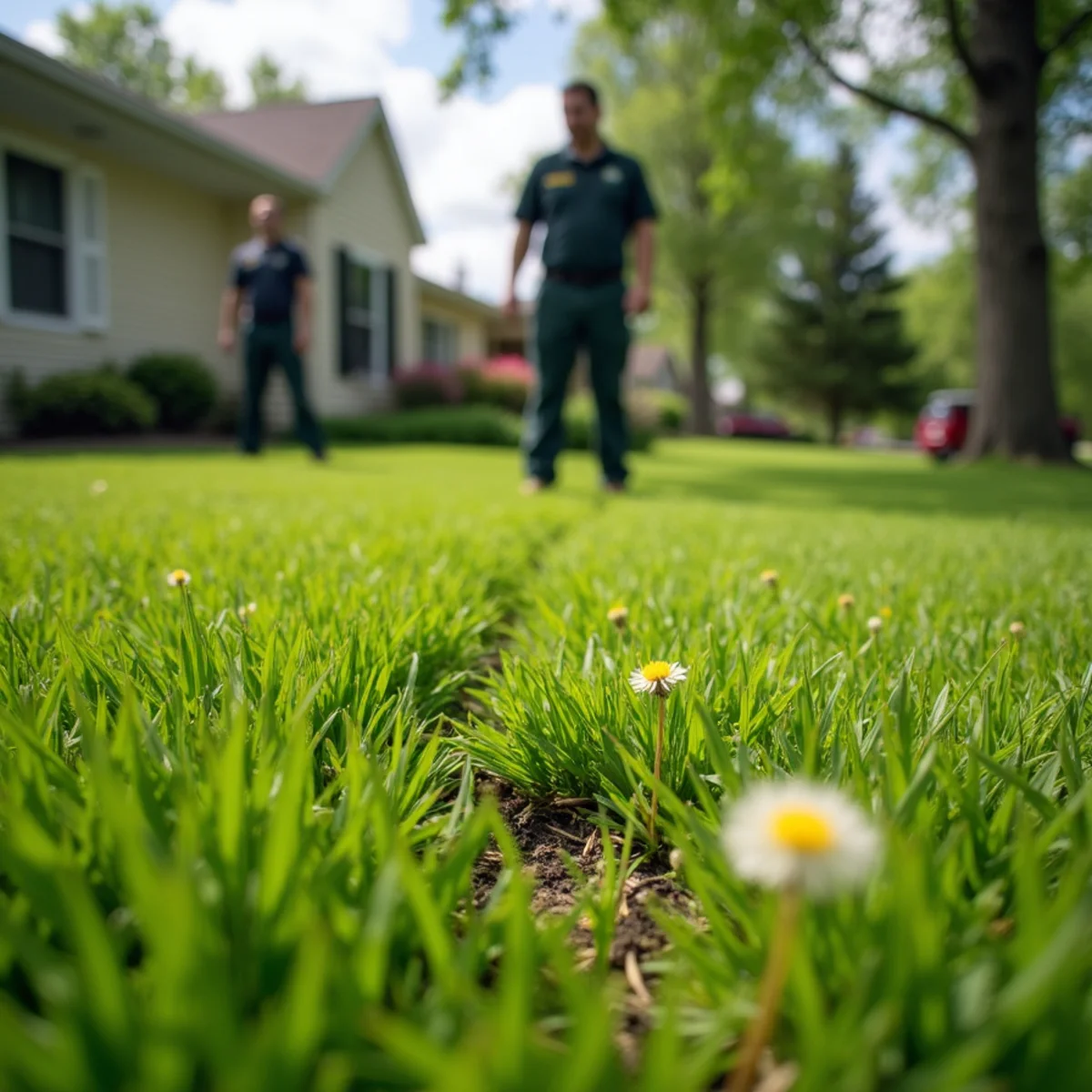
On Indiana's heavy clay, the best fix for a lawn that thins every summer is fall core aeration paired with overseeding, done between late August and the end of September. Pulling soil plugs relieves compaction so air, water, and new roots get in — then seed drops straight into ideal contact.
If your Indiana lawn thins out every summer, pools water after a storm, or feels hard as a sidewalk when you push a screwdriver into it, the problem usually isn't your grass. It's the ground underneath it. Northwest Indiana sits on heavy clay that compacts a little more every year — under foot traffic, mower weight, and the freeze-thaw grind of our winters. Compacted clay strangles roots, sheds water, and turns fertilizer into money down the drain. The single most effective fix we know is core aeration paired with overseeding, done in fall. Here's why it works and how to get it right.
Why compacted clay is the root of most lawn problems
Grass roots need air, water, and room to move. Clay soil packs its particles so tightly that all three get squeezed out. The result is a lawn that looks fine in spring, then struggles the moment summer heat and drought arrive because the roots are shallow and can't reach moisture.
You can spot compaction without any tools:
- Water puddles or runs off instead of soaking in.
- The soil is rock-hard and a screwdriver won't push in a few inches.
- Grass thins in the same high-traffic spots year after year.
- Fertilizer seems to do nothing.
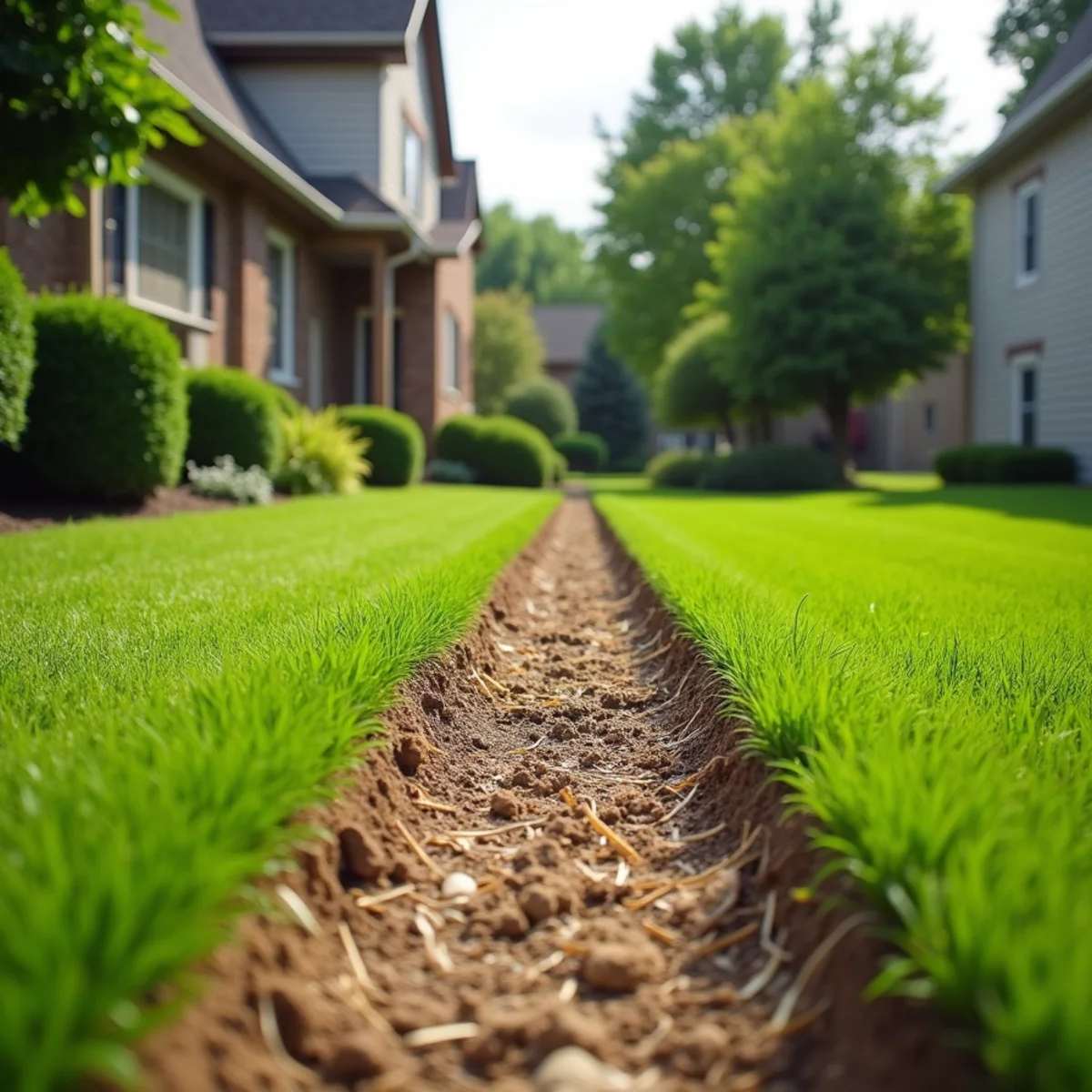
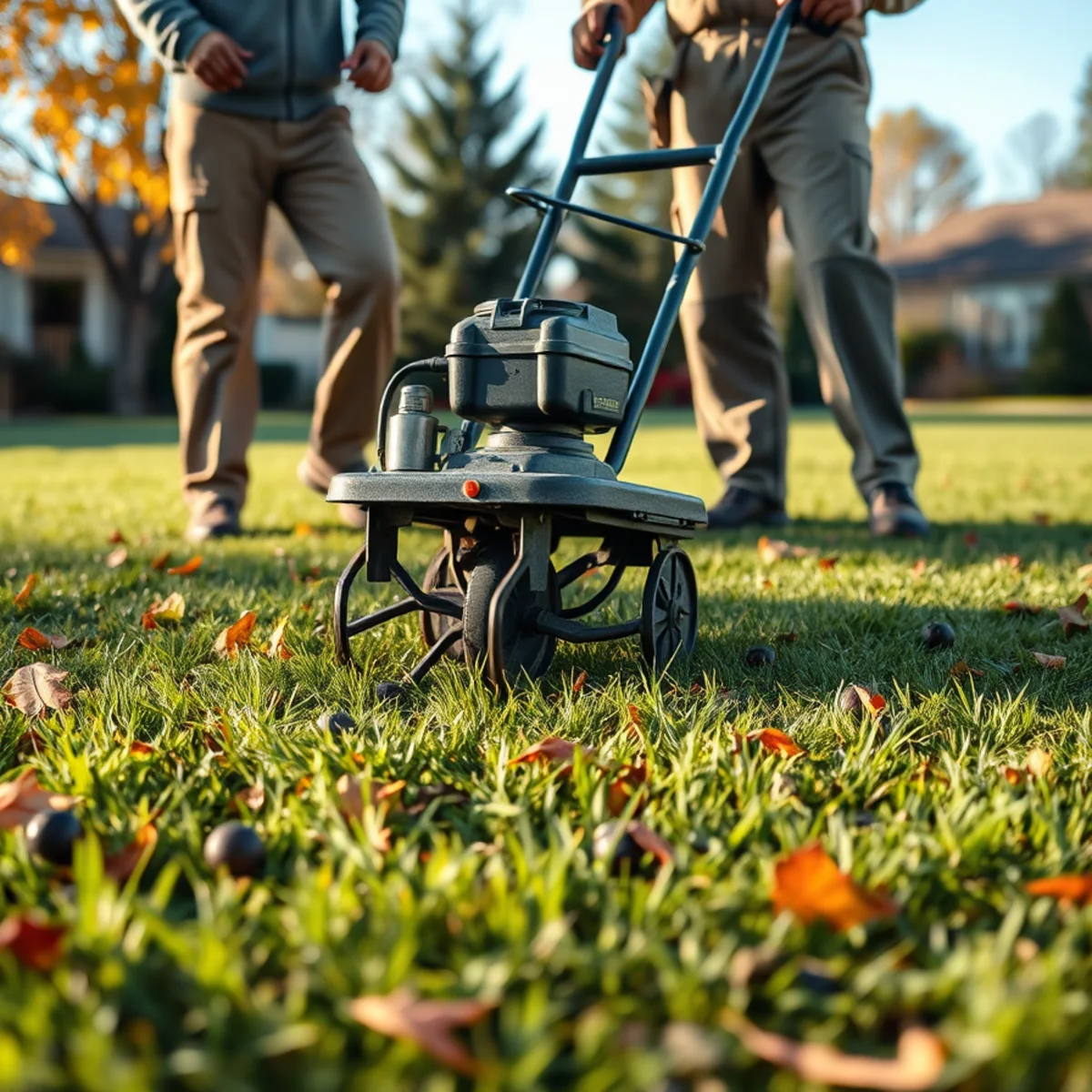
Core aeration pulls thousands of finger-sized plugs of soil out of the lawn, opening channels for air, water, and roots. Unlike spike aerators — which just punch holes and compact the sidewalls further — core aeration actually relieves the pressure. On our clay, that difference is everything.
Why fall beats spring for aeration and seeding
You can aerate in spring, but fall is the clear winner in our climate, and for a few solid reasons.
- Soil is warm, air is cooling. New grass seed loves this combination. It germinates fast in warm September soil, then puts its energy into roots as the air cools instead of fighting summer heat.
- Weed pressure drops. Crabgrass and other summer weeds are done germinating by fall, so your new grass isn't competing for space and light.
- Two strong seasons to establish. Grass seeded in early fall gets the rest of autumn plus the whole next spring to mature before it faces another Indiana summer.
The window that matters most runs from late August through the end of September in Northwest Indiana. Seed too late and the young grass won't be rooted enough to survive the first hard freeze off the lake.
How to do it right: the step-by-step
Aeration and overseeding is simple in concept, but the details decide whether you get a thick lawn or a patchy one.
- Mow low and clear the surface first. Cut the lawn a little shorter than usual and bag the clippings so seed can reach the soil.
- Aerate when the soil is slightly moist. Bone-dry clay barely gives up a plug; soggy clay smears. A day or two after a rain is ideal. Make two passes in different directions on badly compacted lawns.
- Leave the cores on the lawn. They break down and top-dress the surface naturally. Raking them off wastes the benefit.
- Spread seed immediately. Those open holes are perfect seed-to-soil contact. Seed right after aerating, before the holes close.
- Fertilize with a starter feed. A phosphorus-forward starter fertilizer gives young roots what they need. Timing this with your fall program matters, which is where a planned lawn fertilization and weed control schedule earns its keep.
Choosing the right seed for Indiana clay
Seed choice makes or breaks the result. For Northwest Indiana clay, we lean hard on turf-type tall fescue, often blended with a percentage of Kentucky bluegrass.
- Turf-type tall fescue sends roots deep — sometimes two to three feet — which lets it pull moisture from below during dry spells and shrug off our clay's poor surface drainage. It stays green through heat that browns out other grasses.
- Kentucky bluegrass spreads and knits the lawn together, filling in bare spots over time, but it's shallower-rooted and thirstier on its own.
A blend gives you the toughness of fescue with the self-repairing habit of bluegrass. Skip cheap "contractor" mixes heavy on annual ryegrass — they green up fast and die out just as fast. For bigger bare areas or a full renovation, seeding may not be enough, and our lawn installation, sod, and seeding service can rebuild the lawn from the soil up.
Aftercare: the two weeks that decide everything
The most common way people waste an aeration-and-overseeding job is by neglecting the seed once it's down. New seed needs consistent moisture to germinate — the top inch of soil should stay damp, not soaked.
- Water lightly once or twice a day for the first two to three weeks, then taper as the grass establishes.
- Stay off it. Keep foot traffic and pets away while the seedlings are fragile.
- Wait to mow until the new grass hits about 3.5 inches, then take only the top third with a sharp blade.
- Hold the weed killer. Most broadleaf herbicides will kill young seedlings. Wait until you've mowed the new grass a few times.
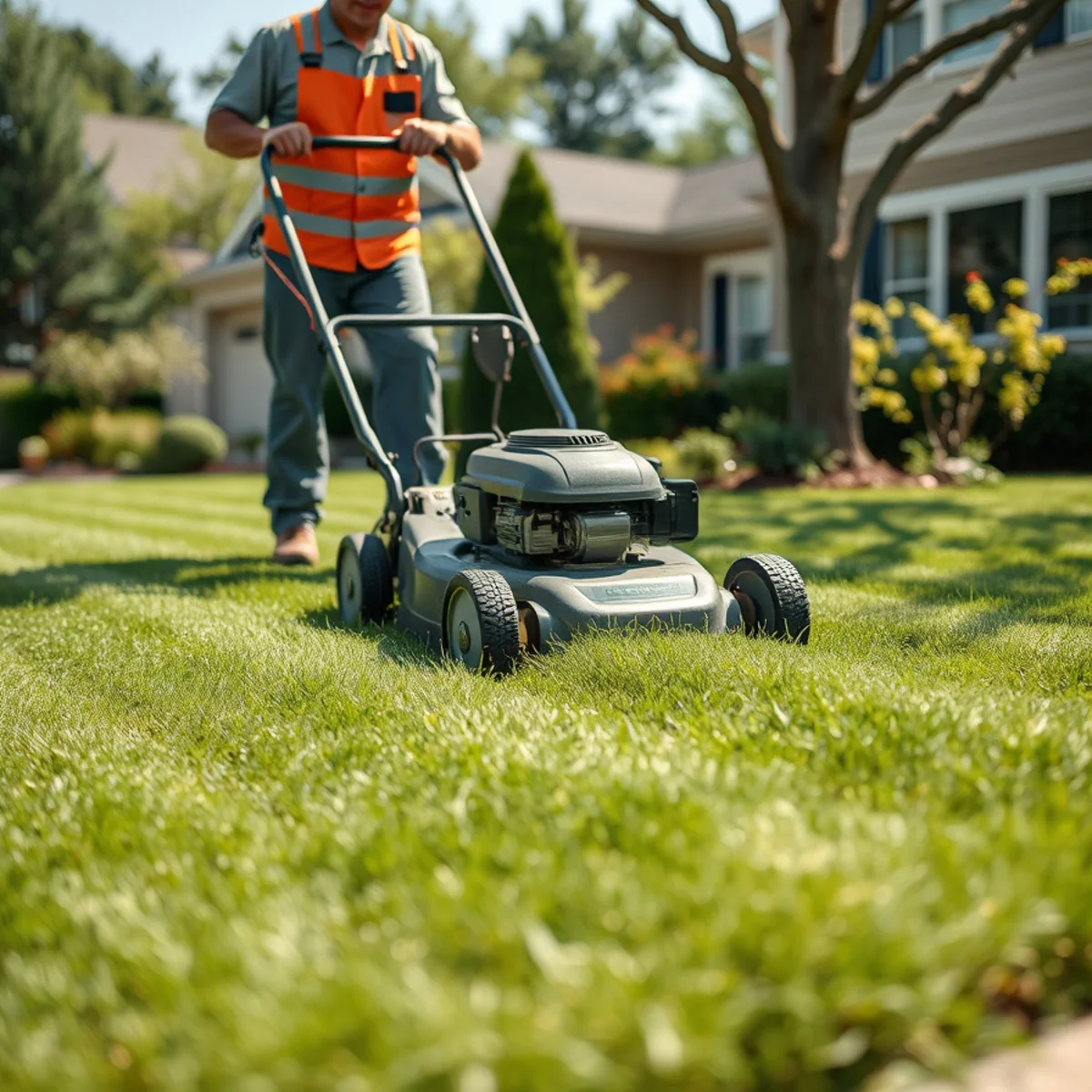
Once it's established, keeping the lawn on a steady cutting height through fall protects all that new growth heading into winter — a consistent mowing and edging routine does exactly that.
From the field
The single biggest variable in an aeration job is soil moisture, and it's the one nobody thinks about. We time our fall routes around the rain. Bone-dry clay is like concrete — the tines barely dent it and you get short, crumbly plugs that do nothing. Soggy clay smears and seals the holes shut. The sweet spot is a day or two after a good rain, when the ground gives up a full three-inch core cleanly. On badly compacted lawns we'll run two passes at right angles to double the holes.
We also watch people waste good seed by mowing wrong afterward. New grass wants to reach about three and a half inches before its first cut, and that first mow has to be with a sharp blade — a dull one yanks shallow seedlings clean out of those soft holes. And leave the plugs where they fall. They look messy for a week, but they melt back into the lawn and top-dress it for free. Raking them off is throwing away half the benefit you just paid for.
Ready to fix the lawn instead of fighting it?
If you're tired of watching your grass thin out every August, fall aeration and overseeding is the reset button. Rome's crew handles lawns across Valparaiso, Merrillville, and the rest of The Region, and we time every job to our local soil and weather. Request your free on-site estimate and we'll tell you honestly whether your lawn needs a full renovation or just one good fall of aeration and seed.
Frequently asked questions
How often should I aerate my lawn in Indiana?
On heavy clay, once a year in fall is a good rule, and high-traffic lawns benefit from it every year without fail. Sandier or lighter soils can stretch to every other year. If water still puddles and the ground stays hard, it needs aeration.
Can I aerate and overseed at the same time?
Yes — that's exactly the point. The aeration holes create ideal seed-to-soil contact, so seeding immediately after aerating gives far better germination than broadcasting seed over a hard surface.
When is it too late to overseed in Northwest Indiana?
Aim to finish by the end of September. Seed put down in mid-October rarely roots deeply enough to survive the first hard freeze coming off Lake Michigan, and you'll be reseeding those spots in spring.
Will aeration fix my drainage problems?
It helps water soak in and relieves surface compaction, which solves a lot of soggy-lawn complaints. But if you have true standing water from grading issues, aeration alone won't cut it — that needs a drainage solution.
Need help with fertilization & weed control?
The crew behind this guide handles lawn fertilization & weed control across Hobart and Northwest Indiana. Get a free, no-pressure on-site estimate.