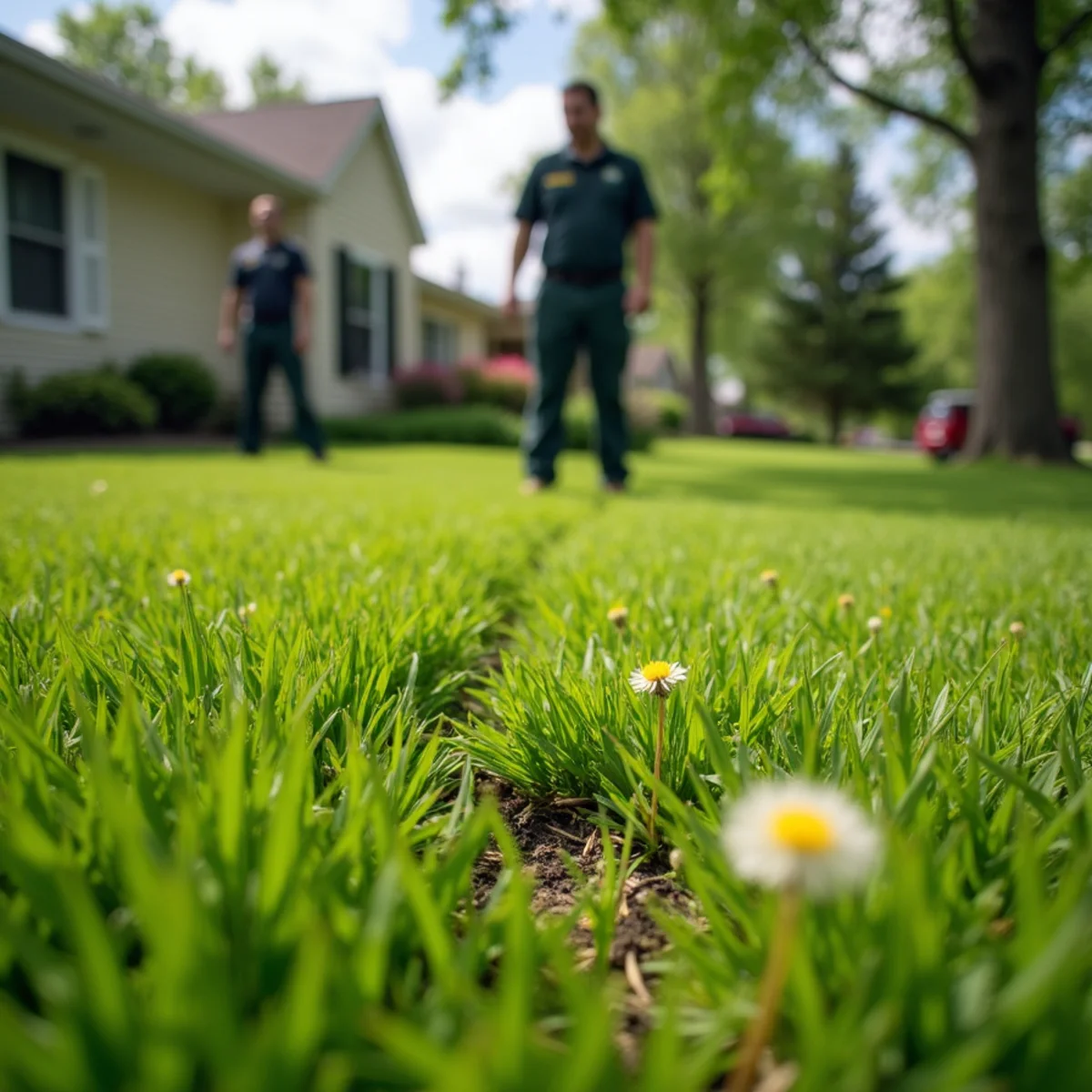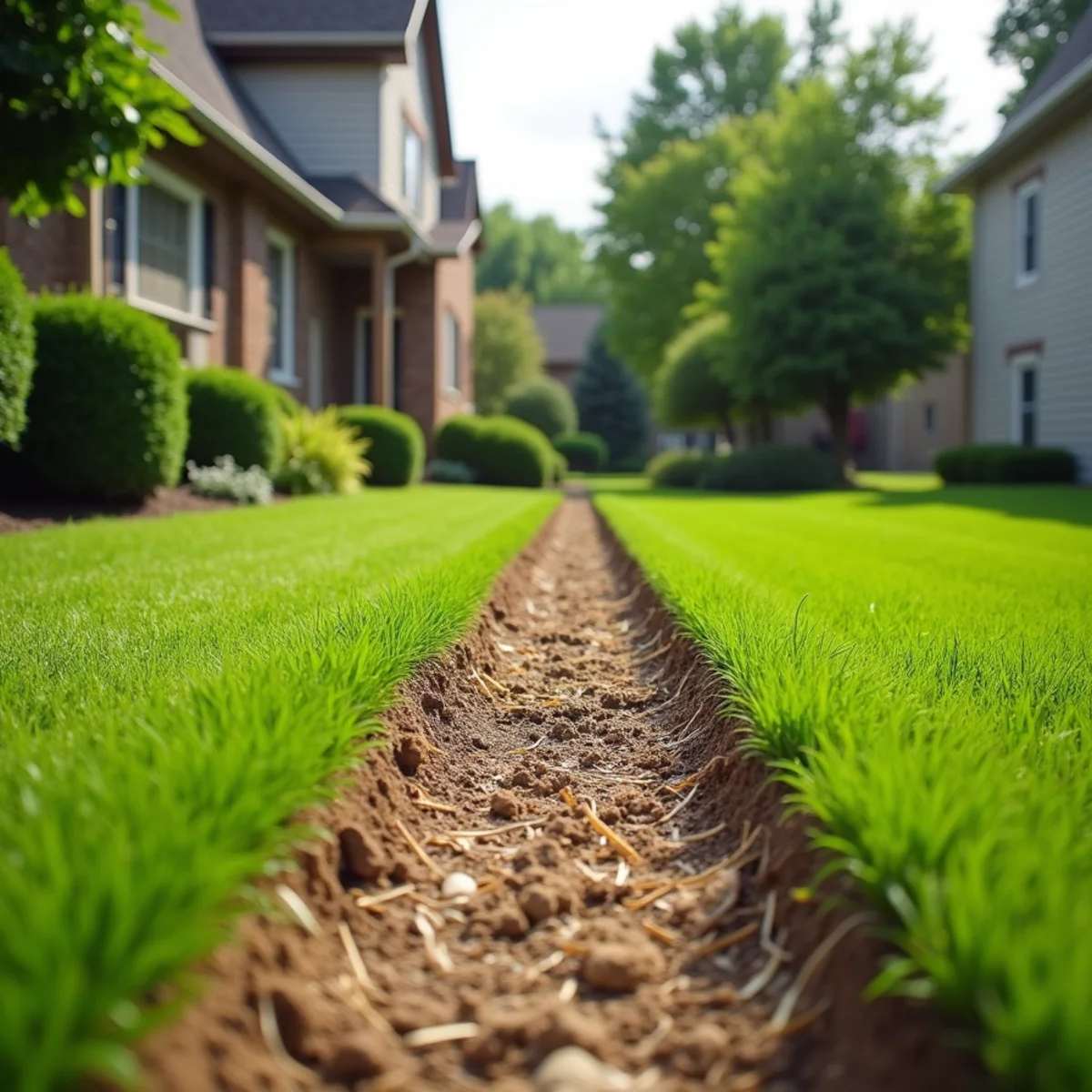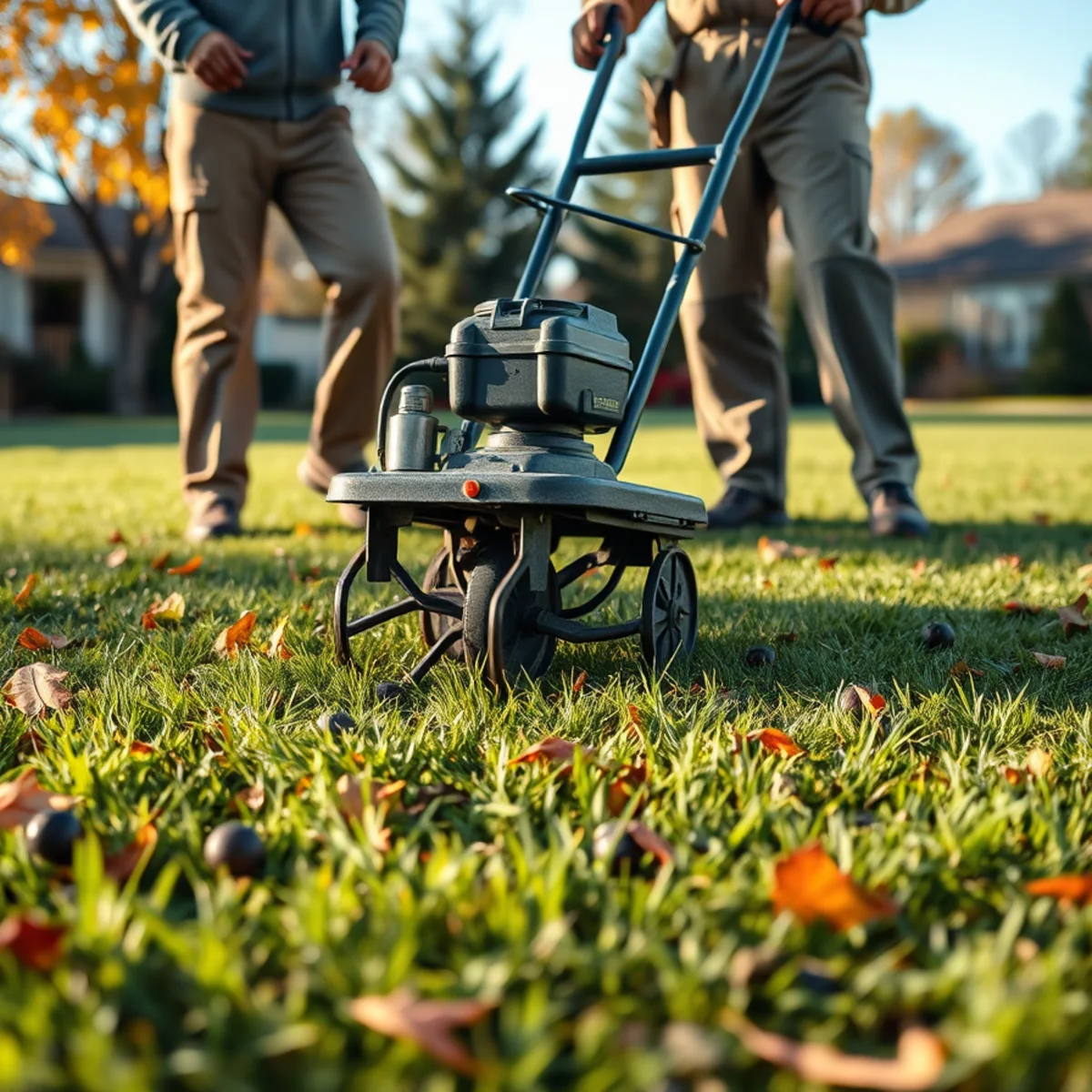
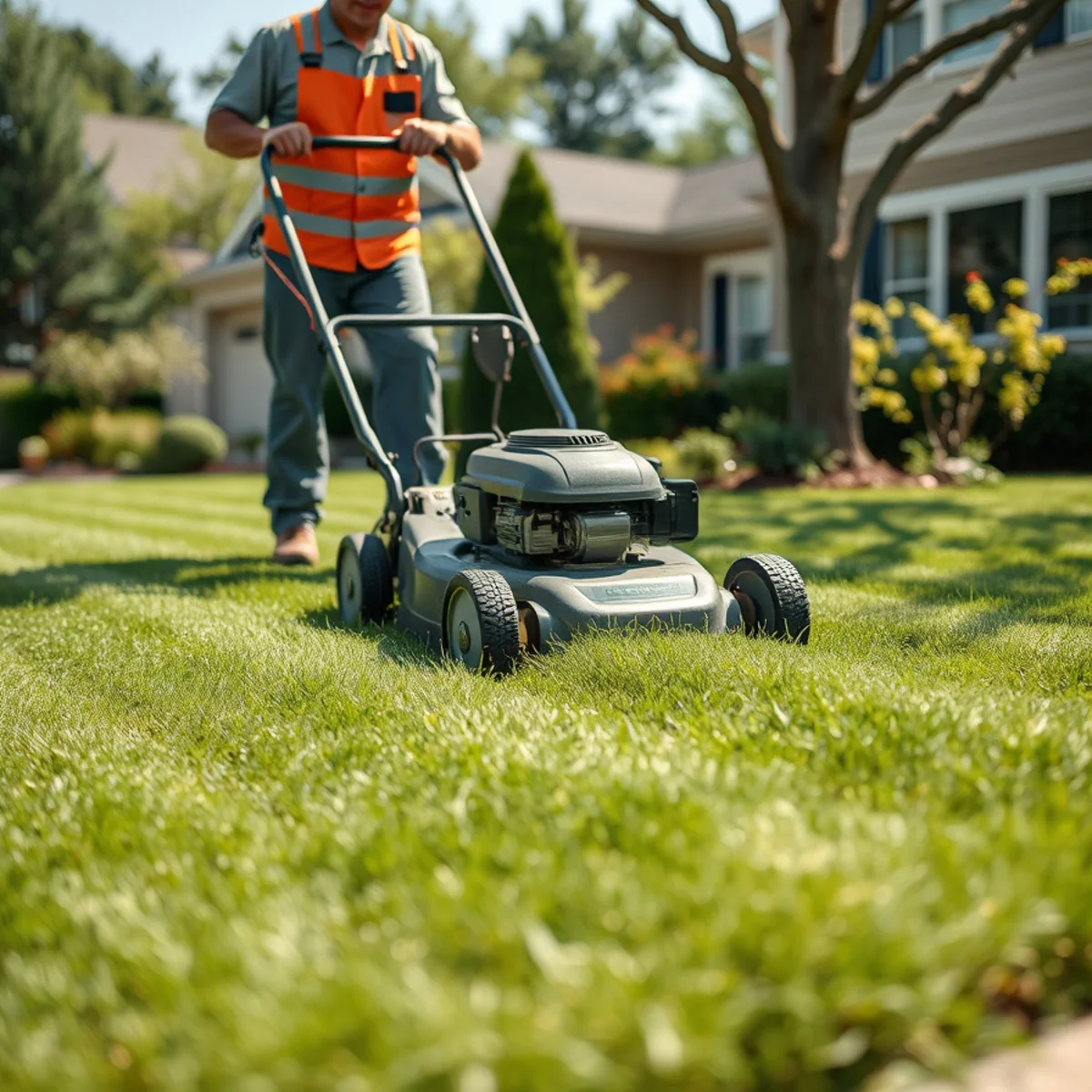
There's no fixed mowing day in Northwest Indiana — you mow to the grass, not the calendar. Expect weekly cuts through the spring flush of April into June, back off to every 10 to 14 days in the summer heat, then return to weekly in the fall surge. Never remove more than a third of the blade at once.
Grass doesn't grow on a calendar — it grows on the weather. That's the thing most homeowners get wrong about mowing. They set the mower to "every Saturday" in April and run that routine into October, cutting too much in May and scalping a stressed, dormant lawn in August. Northwest Indiana's cool-season grasses have a rhythm, and if you mow to that rhythm instead of to your weekend plans, you get a thicker, tougher lawn that fights off weeds on its own. Here's how the season actually breaks down in the Region.
The one rule that matters most: never cut more than a third
Before we talk timing, learn the rule that governs all of it. Never remove more than one-third of the grass blade in a single mow. Cut more than that and you shock the plant — it dumps energy into regrowing leaf instead of root, the crown gets exposed and scorched, and you open the door to weeds and disease.
The one-third rule is what sets your frequency. If your grass grows fast, you mow more often to keep each cut small. If it slows, you mow less. Chasing a fixed height by scalping an overgrown lawn does more damage than skipping a week ever would.
Mow tall — height is your lawn's best defense
For our cool-season turf — tall fescue, Kentucky bluegrass, ryegrass — taller is almost always better. A mowing height around 3.5 to 4 inches for most of the season pays you back:
- Deeper roots. Taller blades drive deeper roots that reach water in our clay when the surface bakes.
- Shaded soil. A tall canopy keeps the ground cooler and holds moisture, so you water less.
- Fewer weeds. Tall grass shades out crabgrass and other weed seeds before they germinate. It's free weed control.
The old habit of buzzing the lawn short to stretch time between mows backfires here. Short grass has shallow roots, dries out fast, and hands the weeds an open invitation.
Spring: April into June — the fast-growth stretch
This is when cool-season grass wakes up and takes off. Cool nights, warming days, and spring rain across the Region push growth hard, and this is your peak mowing season.
- Frequency: Usually once a week, and in the peak weeks of May, sometimes every five days. The grass grows fast enough that a weekly cut can still take off more than a third if you're not watching.
- Height: Start on the lower end after the lawn greens up, then raise the deck as the season warms.
Keep the blade sharp — spring's lush growth tears under a dull blade, and torn tips brown out and invite disease. A strong spring mow pairs naturally with feeding; our lawn fertilization and weed control program times the spring applications to work with the growth flush, not against it.
Summer: late June into August — ease off and mow high
Here's where the calendar-mowers hurt their lawns. When July heat and humidity settle over the Region and rain gets spotty, cool-season grass slows and can slide into a protective dormancy. Growth drops, so your mowing should too.
- Frequency: Often every 10 to 14 days, sometimes less in a dry spell. If the lawn isn't growing, it doesn't need cutting.
- Height: This is when you go tallest — near 4 inches. That extra length shades the soil and protects the crown through heat stress.
Never mow a heat-stressed or dormant lawn short, and try to mow in the cooler evening rather than midday. Cutting a dry, dormant lawn hard in August is one of the fastest ways to turn thin patches into bare dirt.
Fall: September into November — the comeback and the wind-down
As nights cool and rain returns, cool-season grass comes roaring back for a second strong growth period. This is the best time of year for your lawn — and the best time for core aeration and overseeding on our compacted clay.
- Frequency: Back up to weekly early in the fall as growth surges, then taper off as the weeks cool.
- Height: Keep mowing at a good height into fall, then lower the deck gradually over your last few cuts, ending near 2.5 to 3 inches on the final mow so the lawn doesn't mat under snow.
Fall is also the season to switch from bagging to mulching your leaves — a light layer chopped fine by the mower breaks down and feeds the soil, while heavier drops need clearing so they don't smother the grass. Keeping beds and edges tidy through this stretch, along with a fresh fall layer of mulch, is where our mulching and shrub removal service rounds out the season.
Why hiring the mowing out actually pays off
Doing all this right — reading the growth instead of the calendar, adjusting height by season, keeping a sharp blade, alternating your pattern so the grass doesn't lean — is real work and real know-how. Most homeowners either don't have the time or end up fighting their lawn all summer.
A crew that mows to the season keeps your lawn on the healthy side of every one of these decisions, week in and week out, with commercial equipment that cuts clean and doesn't rut wet clay. Our professional lawn care and mowing service handles the timing, the height changes, the edging, and the cleanup, so your lawn gets treated right and your weekends are your own. We run mowing routes from our home base in Hobart across Lake and Porter County — through Schererville, St. John, Crown Point, and Portage — and a regular schedule keeps your lawn ahead of the growth all season.
From the field
The single change that would fix most of the lawns we're called to rescue is a sharp blade. A dull blade tears the grass instead of slicing it, and torn tips brown out within a day — that gray-brown haze over a lawn the morning after mowing is a dull blade, not disease. We sharpen ours on a schedule most homeowners never think about, because a season of tearing shows up as thin, disease-prone turf by August.
We also alternate our mowing pattern every visit — north-south one week, east-west the next, diagonal after that. Mow the same direction every time and the grass learns to lean that way while the wheels wear the same ruts into wet clay. Changing direction stands the blades back up and spreads the wear out.
And we mow summer lawns in the evening, not at midday. Cutting cool-season grass in the heat of the afternoon, when it's already stressed and half-dormant, is how you turn thin patches into bare dirt. A late-day cut on a hot week lets the lawn recover overnight before the sun's back on it. Little timing calls like that are the difference between a lawn that coasts through July and one that fries.
Ready to hand off the mowing?
A great lawn comes from cutting to the season, not the calendar — and that's a lot of Saturdays. Let Rome's crew keep your lawn on schedule all year with the right height, the right frequency, and a clean cut every time. Reach out through our contact page for a free on-site estimate, and we'll set up a mowing plan that keeps your yard thick and off your to-do list.
Frequently asked questions
How often should I mow my lawn in Northwest Indiana?
It changes with the season. In the spring flush, plan on weekly, sometimes every five days at the peak. In summer heat, back off to every 10 to 14 days, or less if it's dry and dormant. Return to weekly in the fall surge. Always mow by the one-third rule, not a fixed day.
What's the best mowing height for grass here?
For our cool-season lawns, aim for about 3.5 to 4 inches through most of the season, going tallest in summer heat. Only drop to 2.5 to 3 inches for the final mow of fall so the grass doesn't mat under the snow. Taller grass means deeper roots and fewer weeds.
Should I bag my clippings or leave them?
Leave them, in most cases. Short clippings from regular mowing break down fast and return nitrogen to the soil — that's free fertilizer. Only bag when the grass got too long between cuts and the clippings would clump and smother the lawn beneath them.
Need help with fertilization & weed control?
The crew behind this guide handles lawn fertilization & weed control across Hobart and Northwest Indiana. Get a free, no-pressure on-site estimate.