Commercial lawn care cost in Northwest Indiana is driven by the size of the property, how often it's serviced, how complex the site is to mow and maintain, and whether the contract is grounds-only or grounds-plus-snow. Because it's recurring work, commercial pricing is almost always quoted as a seasonal or contract rate per property rather than a one-off number — so a real figure means a vendor has walked the site.
For a business or property manager, lawn care isn't a one-time purchase — it's a recurring operating cost that shows up every month of the season and needs to be budgeted and defended. Understanding what actually drives the number helps you compare bids on substance instead of the bottom line. Here's how commercial grounds pricing comes together in The Region.
What drives the cost
- Property size. The biggest single lever. More turf and bed area means more labor and time every visit — pricing scales with the area maintained.
- Service frequency. Weekly service through the growing season costs more than every-other-week, but on a visible commercial property weekly is usually what keeps it looking professional.
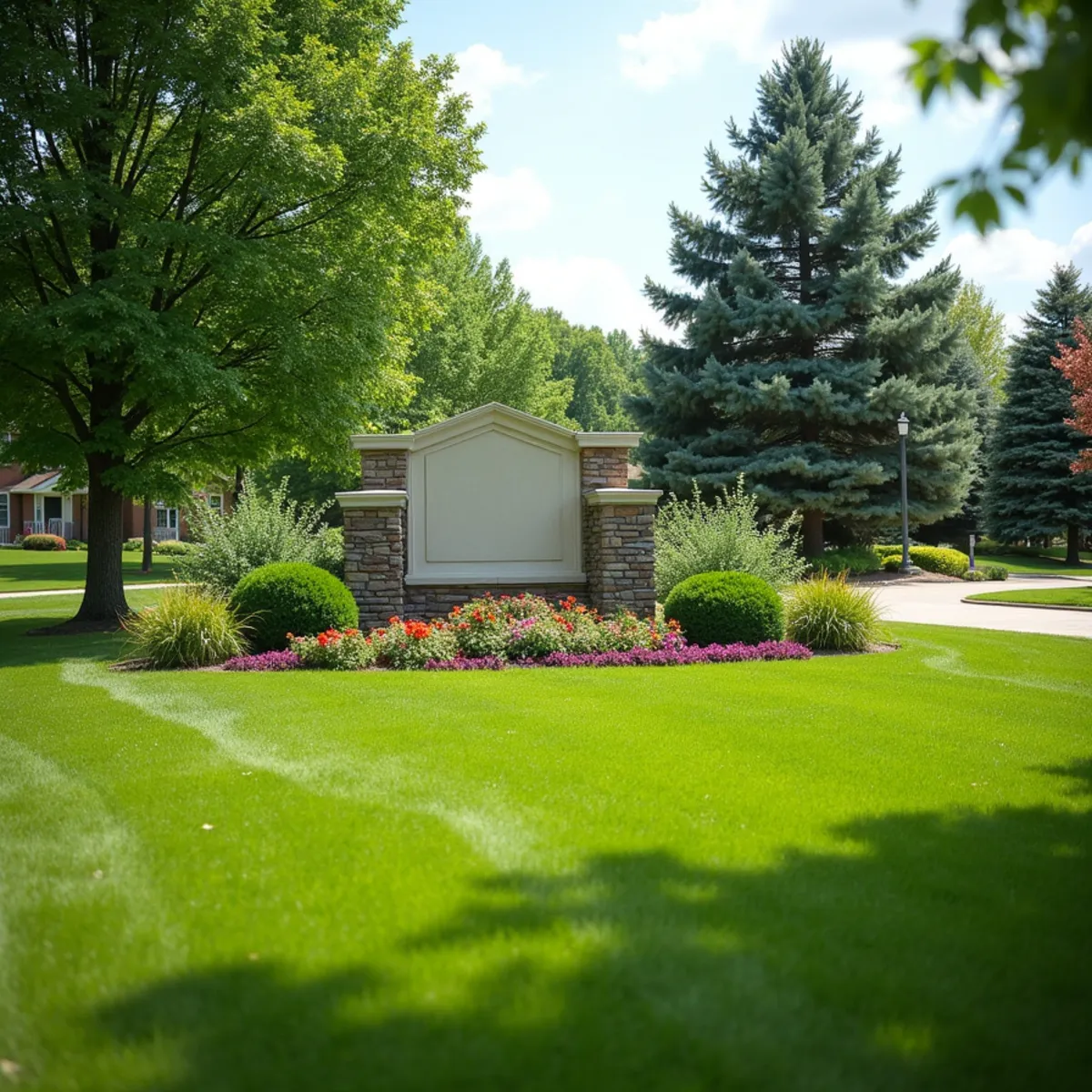
- Site complexity. Open, simple turf mows fast. Tight islands, curbed lots, slopes, trees, obstacles, and lots of bed edging all add time — and time is the cost.
- Scope of services. Mowing and edging alone is one price; adding fertilization and weed control, bed and mulch upkeep, and seasonal cleanups builds a fuller program.
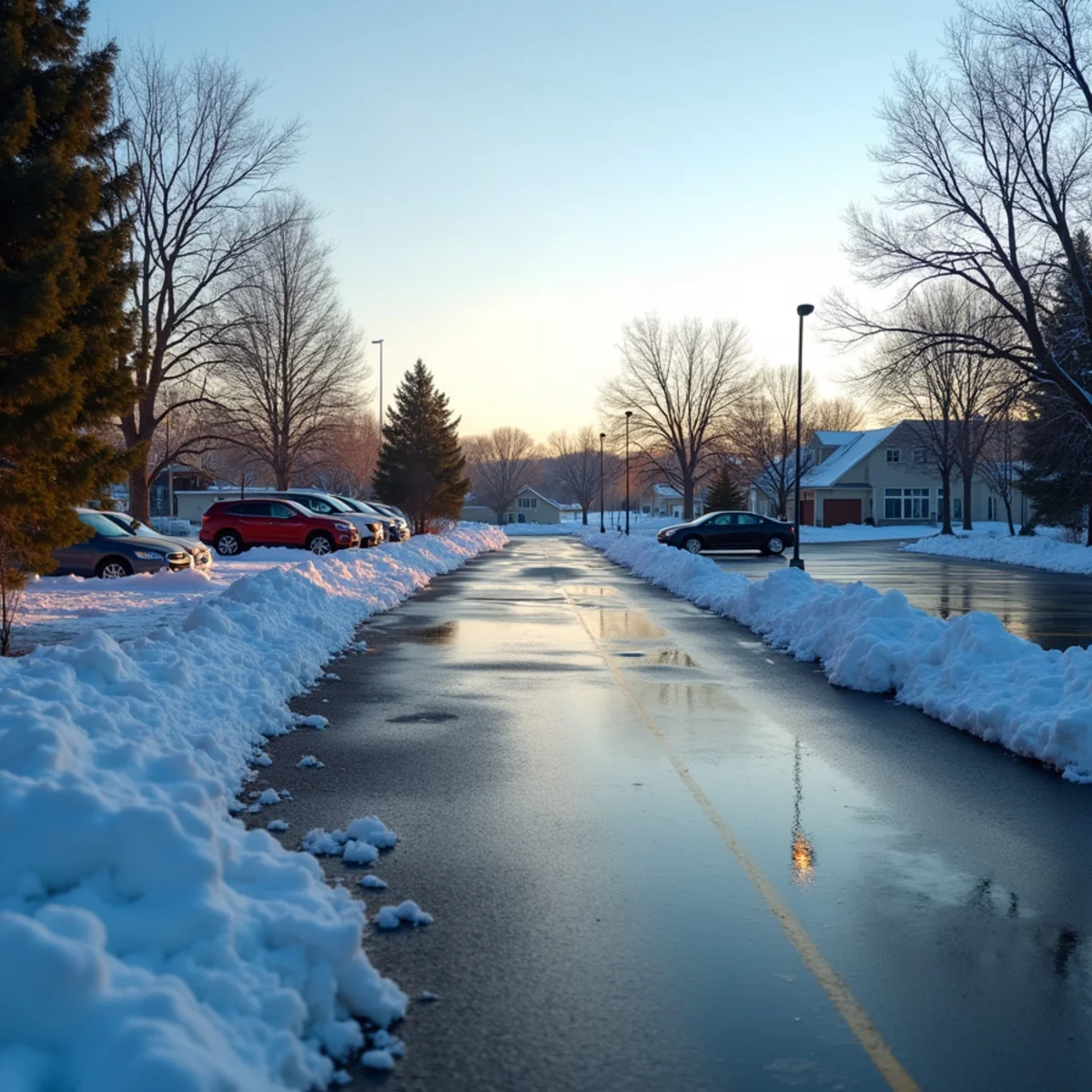
- Grounds only vs. grounds plus snow. Many commercial clients bundle snow and ice management into a year-round agreement, which changes the overall contract value.
- Number of sites. Property managers with multiple locations are a different conversation than a single storefront.
Change any of these and the quote moves — which is why commercial lawn care is priced per property after a walk-through, not from a chart.
Why it's quoted as a contract, not a flat rate
Commercial grounds care is recurring, so it's structured as a seasonal or contract rate — a predictable, budgetable price for the agreed scope across the season. That predictability is a feature: the property manager or board gets one number to plan around instead of variable weekly invoices. The contract spells out exactly what's included and how often, so there are no mid-season surprises. (Residential projects work differently — if you're pricing a home yard, our landscaping cost guide for Hobart covers that side.)
How to compare commercial bids fairly
- Compare scope, not just price. A lower bid that mows every other week, or skips fertilization and bed care, isn't cheaper — it's less service. Line up what each bid actually includes.
- Check frequency. Make sure bids quote the same number of visits before you compare the totals.
- Ask about snow. If you want year-round coverage, get it in the same conversation — a bundled grounds-plus-snow contract is often simpler and better value than separate vendors.
- Confirm insurance. On commercial property, proof of liability insurance is non-negotiable.
- Weigh reliability. The cheapest crew that skips visits costs you in complaints and curb appeal. Consistency is worth paying for.
What you're really paying for
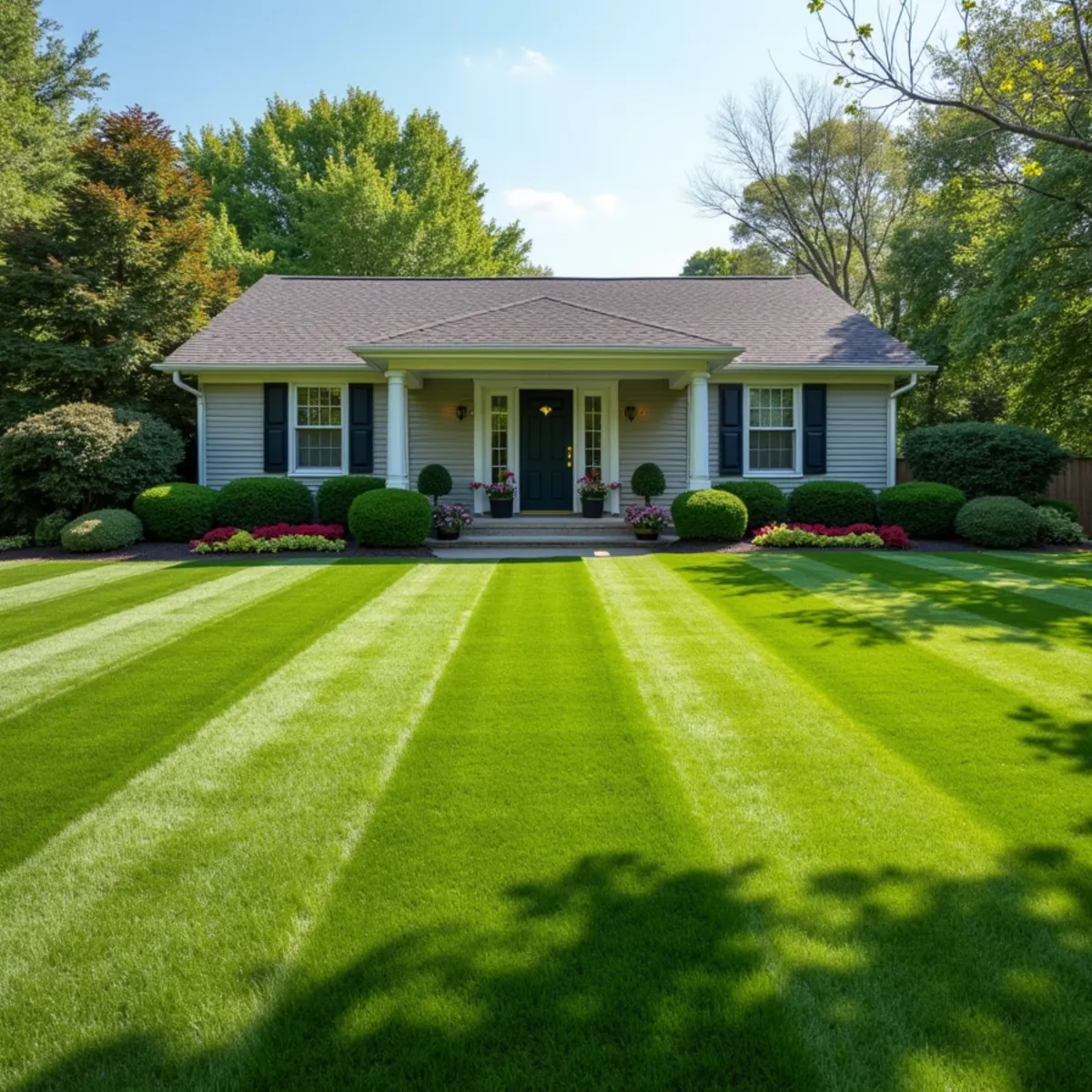
On a commercial property, the lawn is part of the brand — the first thing a customer, tenant, or client sees. A professional, consistently maintained property supports foot traffic and property value; a neglected one quietly costs you both. That's the return on the spend, and it's why the right question isn't "who's cheapest" but "who will keep this property looking open for business, every week." Our commercial landscaping and property maintenance service is built around that kind of dependable, recurring care across Northwest Indiana.
Ready for a commercial grounds quote?
Get a clear, scoped estimate for your property instead of a guess. Rome's crew maintains commercial grounds across Hobart, Merrillville, and Northwest Indiana — grounds-only or full year-round with snow. Reach out through our contact page for a free on-site commercial estimate.
Frequently asked questions
How is commercial lawn care priced?
Almost always as a seasonal or contract rate per property, because it's recurring work. The price is based on the property size, service frequency, site complexity, and the scope of services included — so it's quoted after a site walk-through, not from a per-square-foot chart. The contract structure gives the business one predictable number to budget.
Why can't you give a commercial price over the phone?
Because the cost depends on the actual property — its size, layout, complexity, how often it needs service, and whether you want grounds only or grounds plus snow. Two properties of similar size can price very differently based on obstacles, bed work, and frequency. We walk the site and give a clear written quote by scope.
Is it cheaper to bundle lawn care and snow removal?
Bundling into a year-round contract is usually simpler and often better value than hiring separate vendors — one crew, one point of contact, and one accountable company across both seasons. It also means the team already knows your property when winter hits. We handle both under one commercial agreement.
How do I compare commercial lawn care quotes?
Compare scope and frequency, not just the total. Make sure each bid covers the same number of visits and the same services (mowing, fertilization, beds, cleanups), confirm proof of insurance, and weigh reliability. A lower number that means fewer visits or skipped services isn't actually cheaper.
Need help with fertilization & weed control?
The crew behind this guide handles lawn fertilization & weed control across Hobart and Northwest Indiana. Get a free, no-pressure on-site estimate.