
Landscaping in Hobart has no flat rate — cost is set by five things: how much yard you're touching, the materials, site prep for our heavy clay, whether drainage needs correcting, and how easily the crew can reach the work. A small bed refresh is modest; a full redesign with hardscape runs much higher.
"How much is this going to run me?" is the first question almost everyone asks when they call us, and it's a fair one. The honest answer is that landscaping in Hobart doesn't have a sticker price, because no two lots off Ridge Road or out toward Cressmoor sit on the same ground. What we can do is walk you through exactly what moves the number up or down, so when you get a quote — from us or anyone else — you can read it like a pro instead of squinting at a total.
What actually drives the price
A landscape bid is really a stack of smaller decisions. Understand the pieces and the whole thing stops feeling like a black box.
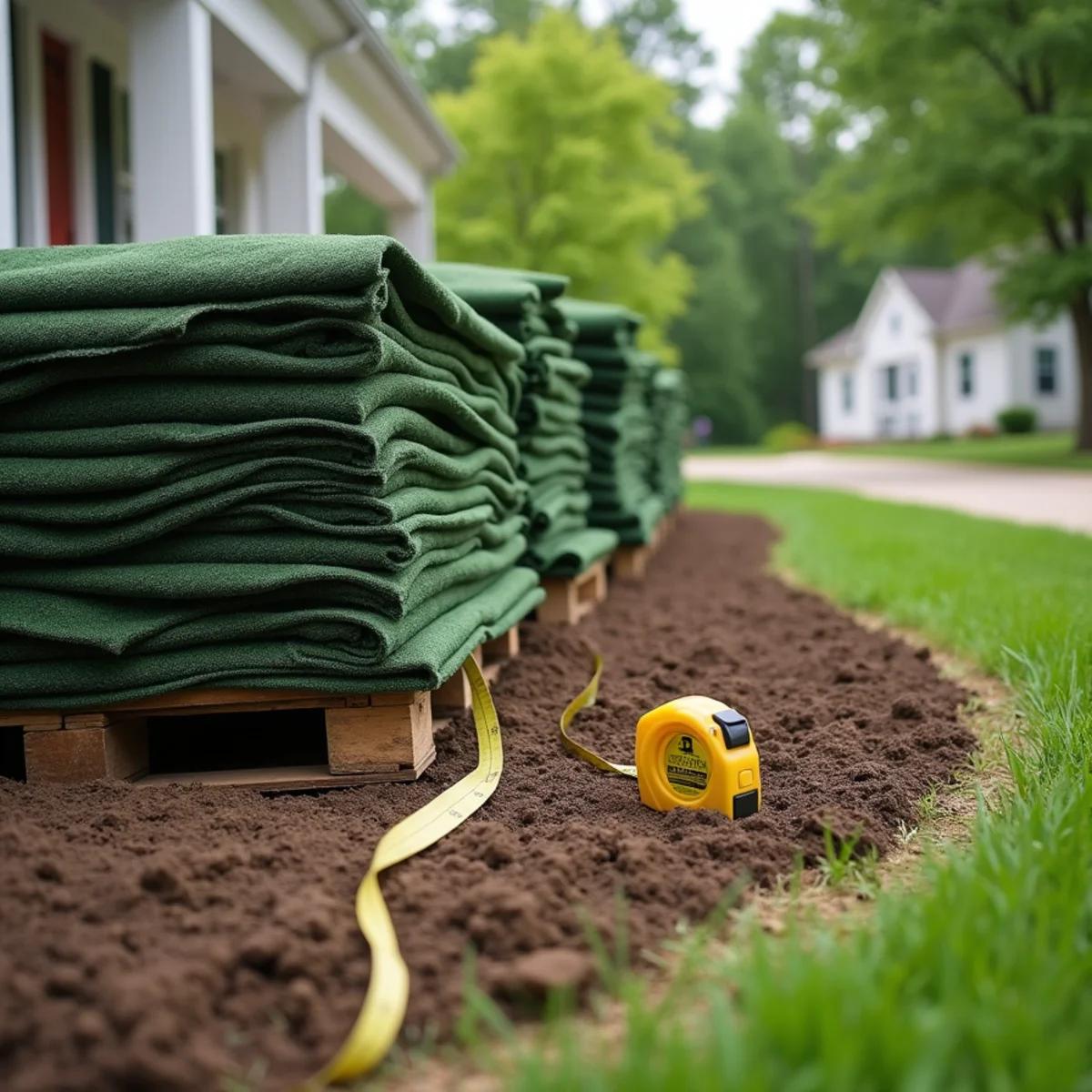
- Scope and square footage. Refreshing one tired front bed is a different animal than reworking a whole property. Cost scales with the area you're touching and how many separate zones the crew has to set up in.
- Materials. Plants, stone, mulch, edging, and soil amendments all carry different price tags. A bed of starter perennials costs a fraction of the same bed anchored by balled-and-burlapped trees or specimen shrubs.
- Site prep. This is the line people forget. Around here the ground is heavy clay that packs down like a driveway. Breaking up that compaction, blending in compost, and getting beds to actually drain is real labor that happens before a single plant goes in.
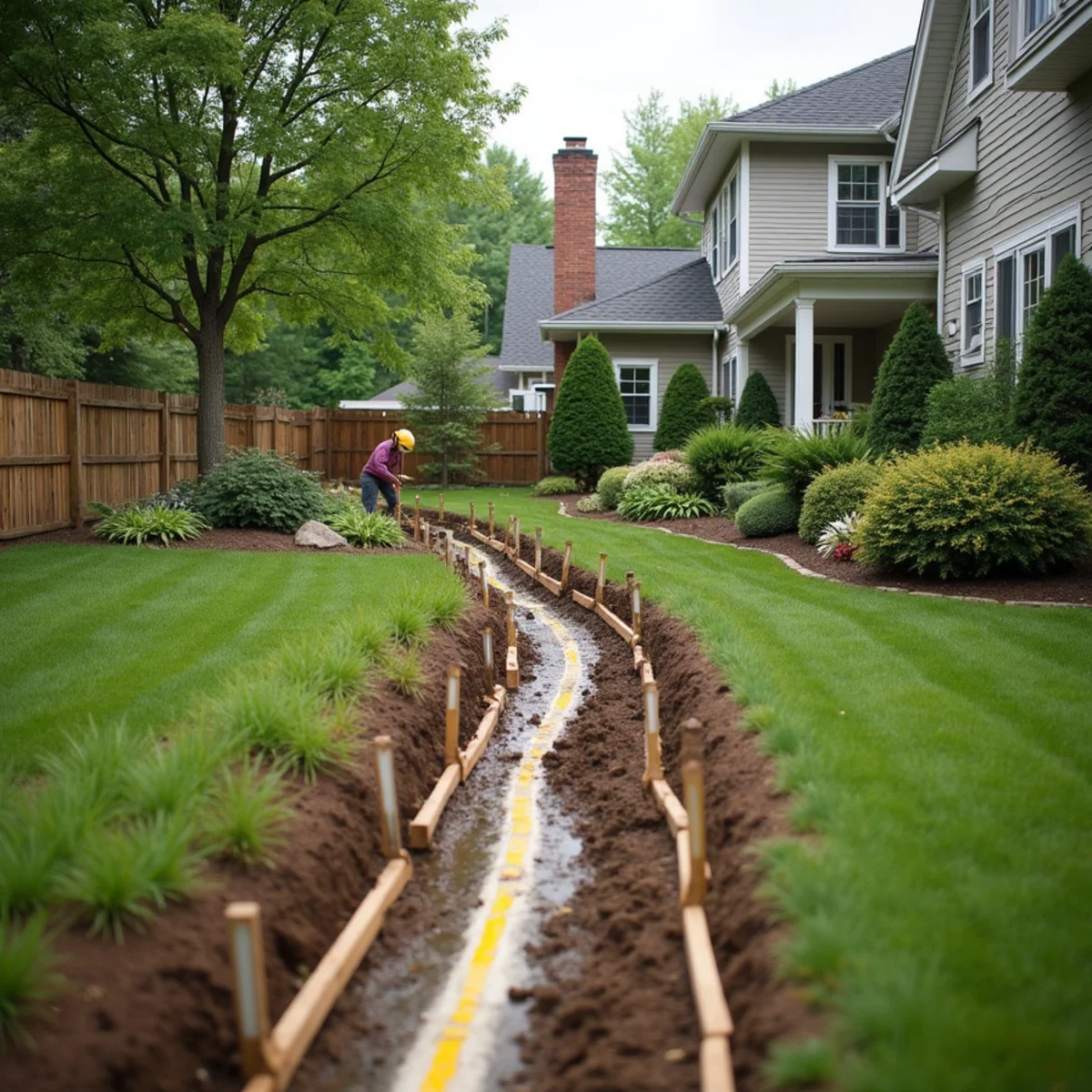
- Drainage needs. If water pools after every storm, planting into that mess is throwing money away. Correcting grade or adding a drain line first protects everything you install on top of it.
- Access. A wide-open front yard is easy. A fenced backyard with a 36-inch gate, a steep side slope, or no room for a skid steer means more of the work moves by wheelbarrow and hand — and labor is the biggest cost in any yard.
Once you see the yard through those five lenses, two "identical" 800-square-foot beds can land at very different prices for good reasons.
Typical project tiers, described honestly
We won't print dollar figures here, because a number without your yard attached to it is just marketing. But projects tend to fall into recognizable tiers.
The refresh
You like your layout; it just looks tired. New mulch, cleaned-up edges, a few replacement shrubs, maybe a fresh perennial or two. This is the lightest lift — mostly labor and materials, little to no site prep. It's also where a single afternoon makes the biggest visual difference for the money.
The bed rebuild
Here we're pulling out overgrown or dead plantings, amending compacted clay, re-cutting bed lines, and installing a real plant palette chosen for our zone 5b/6a swings. Because we're improving the soil and often correcting a minor grade issue, prep is a meaningful share of the cost. Our full landscape design and installation service usually lives in this tier.
The full redesign
New beds, walkways, trees, sometimes a patio or a drainage fix rolled into one visit. This is where the tiers of cost stack — design time, heavier materials, machine work, and multiple trades on site. It's also where planning pays off most, because doing the hardscape, drainage, and planting in one coordinated push is far cheaper than three separate mobilizations.
Where hardscape and drainage change the math
Two additions bend the budget more than anything else, and both are common on Hobart lots.
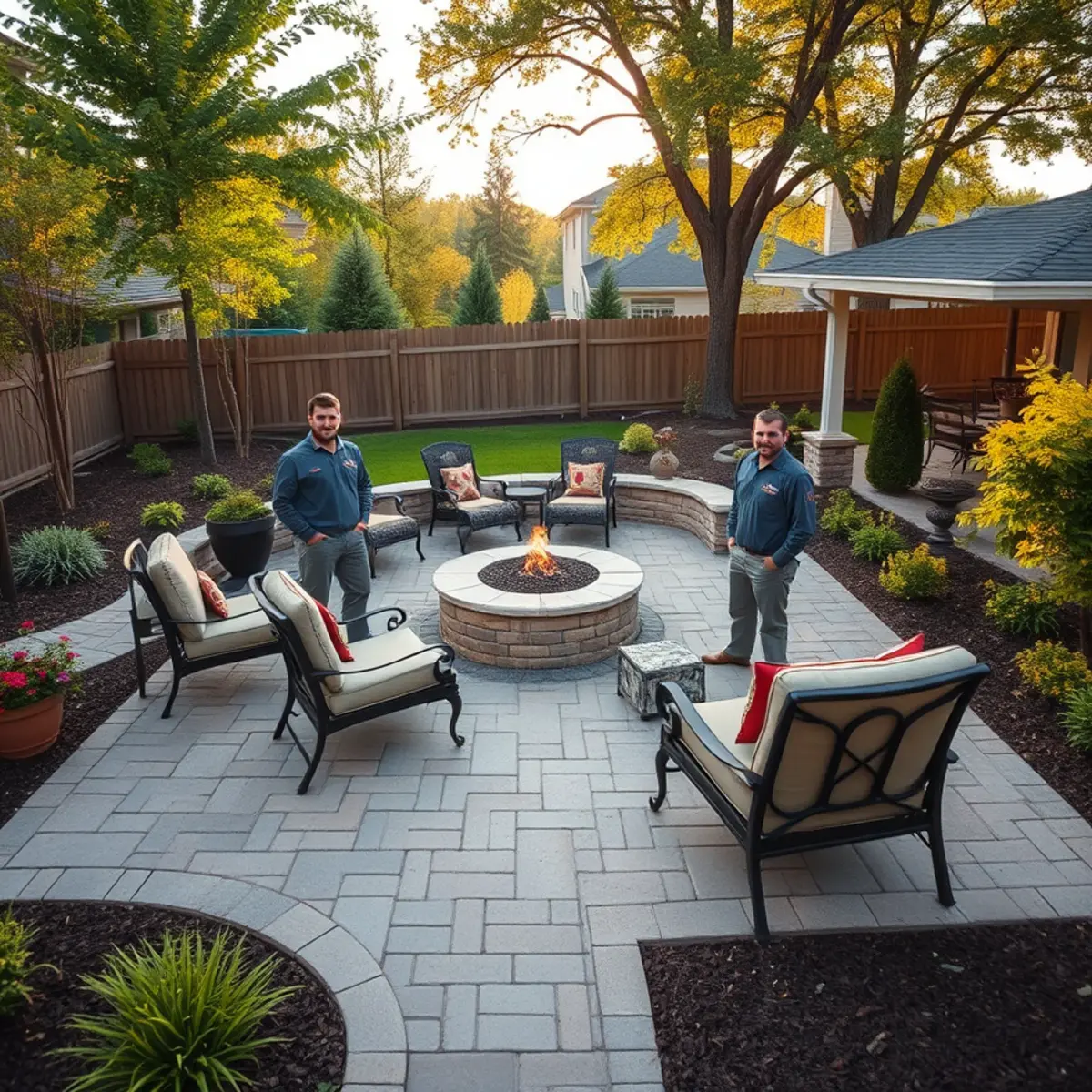
The first is hard surfaces. A paver patio, walkway, or seating wall brings a gravel base, compaction, edge restraint, and cut pavers into the job. That base is not optional in our climate — freeze-thaw will heave a patio built on a lazy foundation — so a real paver installation carries more prep than people expect. It also adds lasting value and usable space, which is why so many homeowners in nearby Merrillville and the Southlake Mall corridor fold one in during a redesign.
The second is water. If your lot holds standing water, professional drainage and grading work belongs at the front of the project, not the end. Correcting the grade first isn't an upsell — it's what keeps your new plants and patio from failing early.
Why our clay soil adds prep cost
This is the single biggest thing that surprises homeowners moving here from sandier parts of the country. Northwest Indiana sits on dense glacial clay. It compacts under foot traffic and equipment, sheds water instead of absorbing it, and squeezes roots so tightly that the wrong plant suffocates within a season or two.
Good landscapers don't ignore that — they price for it. Amending clay with compost, loosening the root zone, and building beds that drain is the difference between a yard that thrives and one you rebuild in three years. A Purdue Extension soil test is a cheap way to know exactly what your ground needs. When a bid looks suspiciously low, prep is almost always what got skipped.
How to compare quotes without getting burned
Cheapest number wins is how people end up paying twice. Compare on substance instead:
- Is site prep itemized? A quote that mentions soil amendment and grading is taking your clay seriously.
- Are plant sizes and quantities spelled out? Counts and sizes let you compare apples to apples.
- Does it address drainage? If your yard floods and the bid is silent on it, that's a red flag.
- Is cleanup included? We pressure-wash the hard surfaces we work near and haul off debris — that should be in writing.
From the field
The mistake we watch homeowners make most often isn't picking the wrong plants — it's chasing the lowest bid and paying for the same yard twice. A crew that comes in well under everyone else usually got there by skipping the gravel base under a patio or planting straight into raw clay. It looks identical the day it's finished. Two winters later the patio has heaved and half the shrubs have drowned, and now you're paying us to tear out and redo work you already bought once.
Sequence matters as much as scope. We've walked onto jobs where a homeowner spent real money on beautiful beds the year before, and every one of them sat in a low spot that floods after each storm. Fixing the grade first would have cost a fraction of replacing drowned plantings. Drainage and grade are the unglamorous part, but they're the foundation everything else sits on — so on our jobs they come first, or the rest of your money is at risk.
One last thing worth mentioning when you call: your access. The biggest cost in almost any yard is labor, and labor is driven by how we reach the work. If we can back a skid steer up to it, a day's job stays a day's job. If every load of gravel goes through a 36-inch gate by wheelbarrow, that same job can take twice as long. Tell us about the gate up front — it shapes the number.
Ready to see your real number?
The only way to know what your project costs is to put boots on your ground. Rome and the crew will walk your lot right here in Hobart, read the soil and the slope, and explain exactly what's driving your estimate — no mystery totals, no pressure. When you're ready, reach out through our contact page and request your free on-site estimate. Bring the yard; we'll bring straight answers.
Frequently asked questions
Why won't you give me a price over the phone?
Because we'd have to guess at your soil, grade, access, and scope — and a guess helps nobody. A free on-site estimate lets us read the actual lot and hand you a real number you can plan around, with the reasoning behind it.
Is spring or fall cheaper for landscaping in Hobart?
Cost is fairly steady across the season, but spring and fall give plants the easiest start thanks to cooler soil and steadier moisture. If your project can wait for one of those windows, your plants establish better for the same money.
Does improving my yard actually add home value?
Well-built landscaping and hardscaping are among the more reliable exterior improvements for resale, especially clean beds and a usable patio. Beyond resale, you get years of use and lower maintenance if it's done right the first time.
Can I phase the work to spread out the cost?
Absolutely, and we help homeowners do it all the time. We'll sequence it so the foundational work — drainage and grade — comes first, then beds, then hardscape, so nothing you pay for later tears up what came before.
Need help with landscape design?
The crew behind this guide handles landscape design & installation across Hobart and Northwest Indiana. Get a free, no-pressure on-site estimate.