What a paver patio costs in Northwest Indiana comes down to five things: square footage, the paver you choose, the depth of the gravel base, add-on features like walls or firepits, and site access. The base matters most here — our freeze-thaw winters wreck any patio built on a shallow one.
A paver patio is one of the best returns you can get on an outdoor project — more living space, more curb appeal, and a surface that outlasts poured concrete when it's built right. But "built right" is doing a lot of work in that sentence, especially here. What you pay in Northwest Indiana comes down to a handful of factors, and one of them — the base beneath the pavers — matters more in our climate than almost anywhere else. Here's how the number really comes together.
The factors that set the price
Skip the dollar guessing and think in terms of what a crew is actually buying and doing:
- Size. Square footage is the biggest single lever. A cozy bistro patio and a full outdoor room are different projects, and cost scales roughly with area.
- Paver choice. This is where budgets swing hard. Standard concrete pavers sit at the friendly end; tumbled, textured, or premium lines run higher; and full natural stone like flagstone or bluestone sits at the top. Thicker pavers and intricate patterns add labor too.
- Base depth. More on this below, but the gravel and sand foundation is real material and real machine time — and in our region it's non-negotiable.
- Features. A simple rectangle is one price. Curves, steps, a seating wall, built-in lighting, or a firepit each add material and skilled labor.
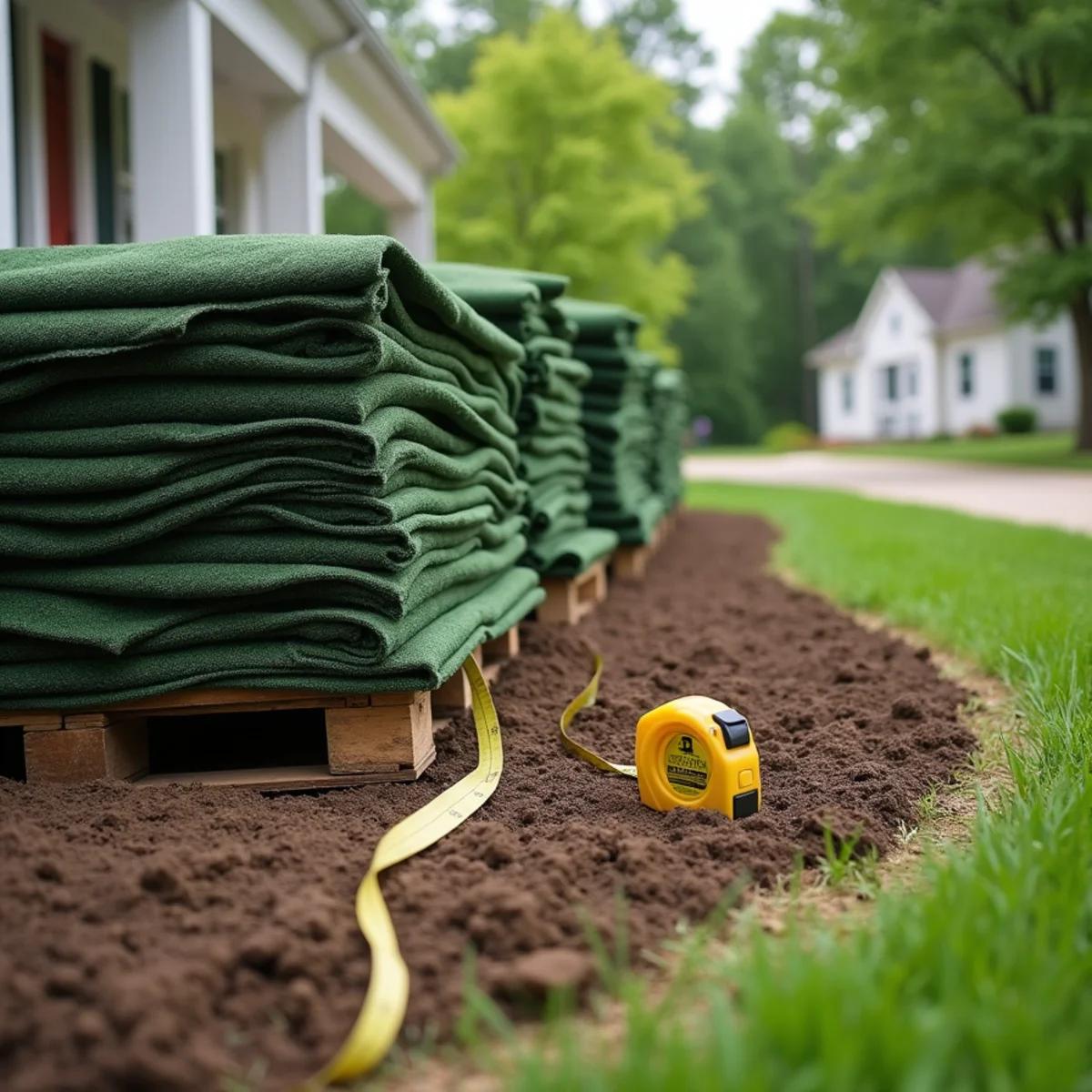
- Site access and prep. A backyard reachable only through a narrow gate means base gravel and pavers move by wheelbarrow instead of machine, which adds hours. Removing old concrete or correcting a slope adds more.
Change any one of those and the estimate moves. That's why a number over the phone is worthless and an on-site look is worth everything.
Why base depth is the whole ballgame here
If you take one thing from this article, make it this. Northwest Indiana runs through brutal freeze-thaw cycles. Water gets into the ground, freezes, expands, and shoves everything upward — then it thaws and drops back down. Do that dozens of times a winter and a patio built on a thin, lazy base heaves, tilts, and cracks apart within a few seasons.
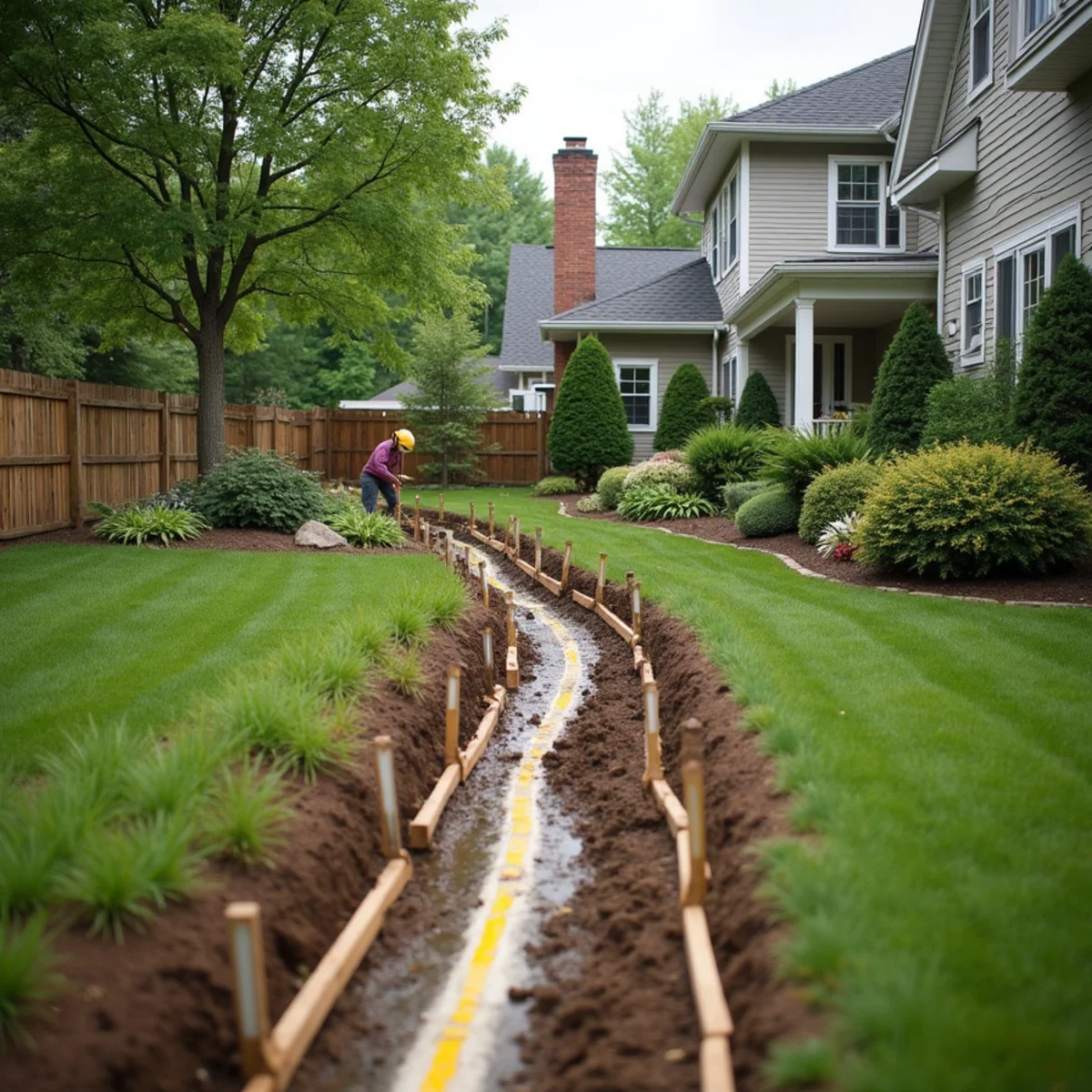
A patio built for our climate starts with excavation down several inches, then a compacted, well-graded aggregate base built up in layers, topped with a bedding layer, then the pavers, then edge restraints and joint sand. That base is the part you'll never see and the part that determines whether your patio is flat in ten years. When a bid comes in shockingly low, the base is almost always where the corner got cut. Our paver patio and hardscaping installations are built base-first for exactly this reason — it's not glamorous, but it's why they stay put.
Permeable pavers: worth a look in The Region
Given our clay and our drainage headaches, permeable pavers deserve real consideration. They're set with wider joints filled with small stone, over an open-graded stone base that lets rainwater pass straight through and soak into the ground instead of sheeting off toward your house or your neighbor's.
The tradeoff is honest: permeable systems cost more up front because the base is deeper and the aggregate is specialized. But on a lot that already struggles with standing water, that patio doubles as a drainage asset — no puddles on the surface, less runoff to manage, and in some areas easier compliance with stormwater rules. On a well-draining lot, standard pavers may be the smarter spend. We'll tell you honestly which one your yard calls for.
Pavers versus concrete: the real comparison
Poured concrete usually wins the first-day price. Over the life of the patio, pavers pull ahead, and it's worth understanding why.
- Cracking. Concrete is a rigid slab; our freeze-thaw ground movement cracks it, and a cracked slab means saw-cutting or replacement. Pavers flex with the ground because they're individual units over a flexible base — movement shows up as, at worst, a slightly uneven joint you can reset.
- Repairs. Damage a paver and you lift and swap that one unit. Damage concrete and you're patching a visible scar or pouring again.
- Looks and grip. Pavers offer far more color, texture, and pattern, and their surface holds traction better than a smooth wet slab.
- Resale. A quality paver patio reads as a premium feature to buyers in Crown Point and across Lake County, where outdoor living space sells.
Concrete still makes sense for some budgets and uses. But if you're weighing lifespan and long-term cost, pavers earn their premium in a climate like ours.
Get more out of the same excavation
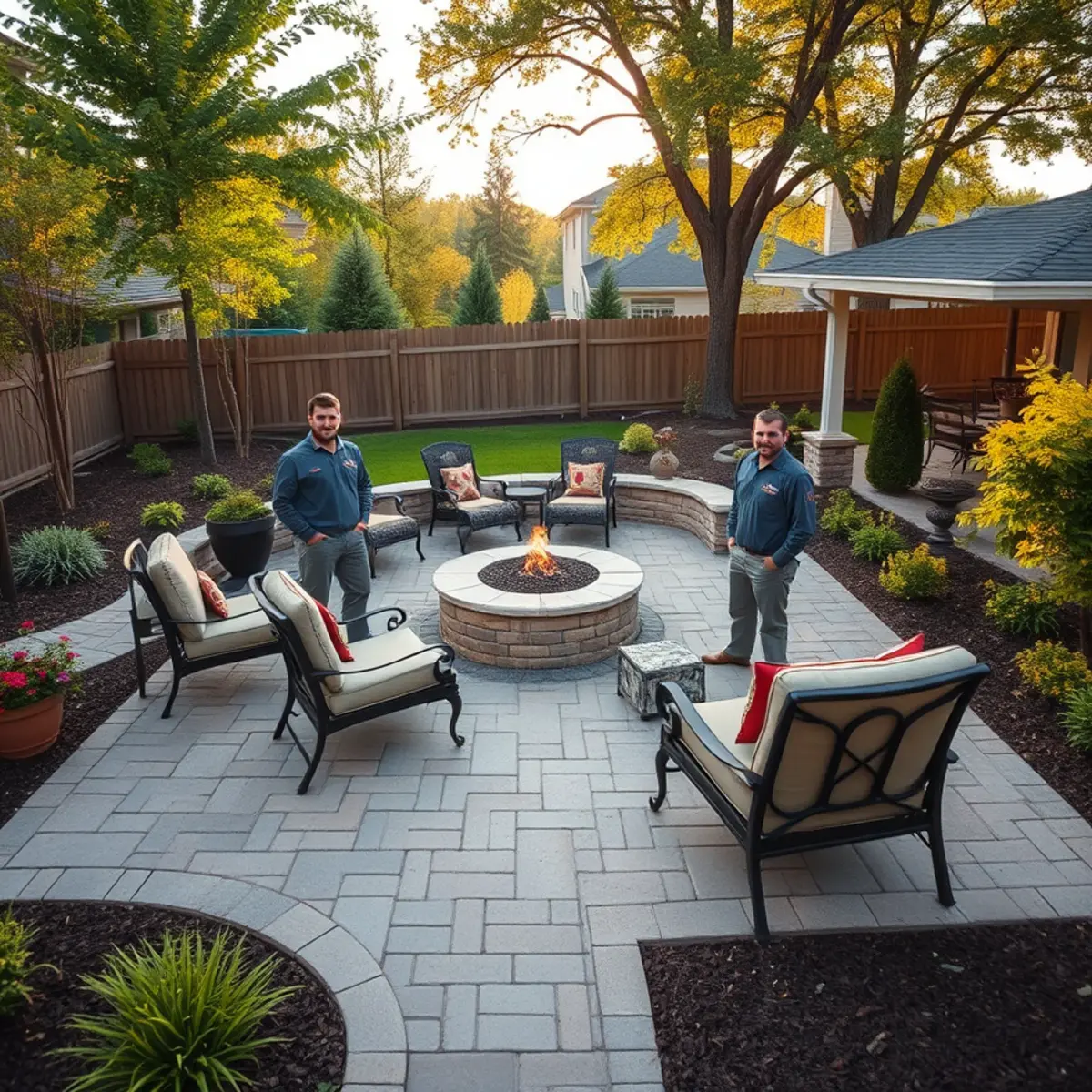
The most expensive part of any patio is mobilizing — the machines, the crew, the base work. So the smartest dollar is the one you spend while everything's already open. Adding a firepit or built-in outdoor living feature during the same build costs far less than coming back for it later, and it's what turns a patio into a place people actually gather on a cool Region evening. And when the work wraps, a thorough pressure washing of the pavers, driveway, and walkways clears the construction dust and sets the joint sand — we finish every hardscape job with that cleanup so you're using the space the day we leave.
Ready to price your patio?
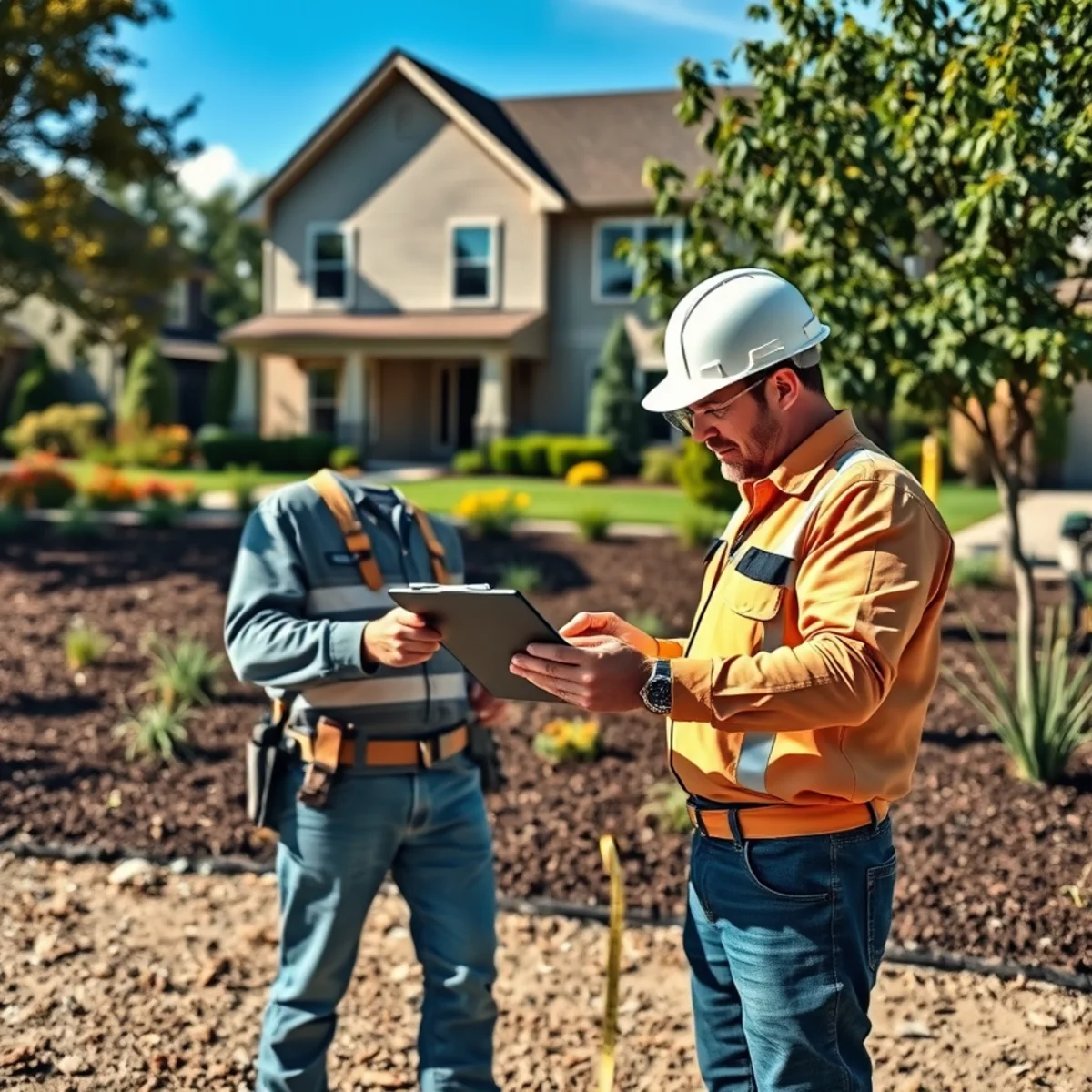
The honest cost of your patio lives in your backyard — its size, your soil, the access, and the features you want. Rome and the crew will walk the space with you, whether you're in Crown Point or over in Schererville, and explain exactly what's driving the estimate so there are no surprises. When you're ready to turn that patch of grass into a patio, reach out through our contact page for a free on-site estimate.
Frequently asked questions
Why is one paver quote so much lower than another?
Nine times out of ten, it's the base. A shallow base or skipped compaction saves money today and costs you a heaved, cracked patio in a few winters. Ask every bidder how deep they excavate and how they build the base, then compare on that.
How long does a paver patio last around here?
A properly built one lasts decades. The pavers themselves are extremely durable, and because the system is flexible, the occasional settled spot can be lifted and reset rather than demolished. The base and the edge restraint are what determine longevity.
Do paver patios need much maintenance?
Not much. Rinse or pressure-wash them periodically, top off joint sand every few years, and reseal if you want the color to pop. Weeds in the joints are minor and easily handled — far less hassle than repairing cracked concrete.
Can you build on my sloped or wet backyard?
Usually, yes — it just becomes part of the plan. We may correct the grade, add drainage, or use permeable pavers so water has somewhere to go. That's exactly the kind of thing we sort out during the on-site estimate.
Need help with paver patios?
The crew behind this guide handles hardscaping & paver patios across Hobart and Northwest Indiana. Get a free, no-pressure on-site estimate.