There's no honest flat rate — a retaining wall in Northwest Indiana is priced on-site because height, block type, base prep, drainage, and access all move the number. Most of the cost lives in the buried base, backfill, and drainage you never see, and walls over about 4 feet need an engineered design and permit.
A retaining wall is one of those projects where the price seems to swing wildly from quote to quote, and homeowners can't figure out why. The reason is simple: a wall is only partly about the blocks you see. Most of the cost — and all of whether it lasts — lives in the parts you don't see, buried behind and beneath the face. In Northwest Indiana, where clay soil holds water and freeze-thaw cycles push against everything, that hidden work is exactly what keeps a wall standing. Here's an honest breakdown of the options and what actually drives the cost, so you can read your estimate with clear eyes.
What a retaining wall is really doing
A retaining wall holds back soil and manages the water in it. On a sloped lot, it creates flat, usable space — a level backyard, a terraced garden, a spot for a patio. Around here, walls also do serious drainage duty, because our clay doesn't shed water well and a slope that sheds runoff onto your foundation is a real problem.
That dual job is why a wall built like a decorative border fails while a properly engineered one lasts decades. The difference is buried in the base, backfill, and drainage.
Your material options
The block or stone you choose sets the look and a big share of the budget.
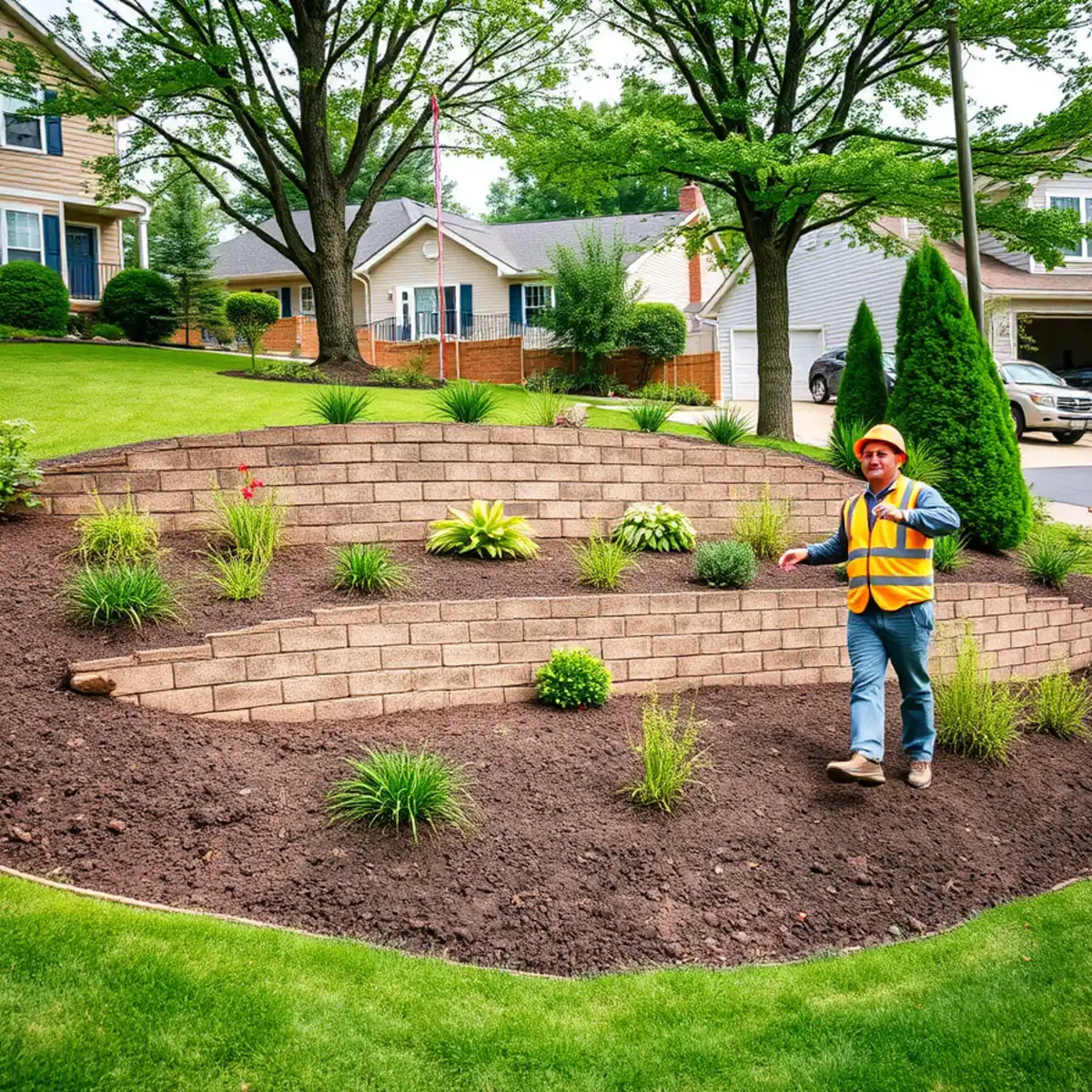
- Segmental concrete block (SRW). The workhorse of modern retaining walls. These interlocking, engineered blocks come in many colors and textures, install efficiently, and perform beautifully on our soils. For most Northwest Indiana homes, this is the sweet spot of cost, durability, and looks.
- Natural stone. Boulders or cut stone give a timeless, high-end look. Beautiful and extremely durable, but material and the skilled labor to fit it push the cost up.
- Poured concrete. Strong and clean-lined, but it needs forms and often engineering, which raises the price and isn't always the best fit for a residential yard.
- Timber. The cheapest up front, but wood rots in our wet clay and freeze-thaw punishment, so it's usually a false economy. We rarely recommend it for a wall you want to keep.
The factors that actually drive the cost
Every wall is quoted on-site because every slope, soil, and site is different. These are the things that move the number, roughly in order of impact.
Height — and where engineering kicks in
Height is the single biggest cost driver. A wall doesn't just get taller — the forces pushing on it grow dramatically with height, so a tall wall needs a deeper base, stronger construction, and often soil reinforcement (geogrid) tied back into the hillside.
There's also a code threshold: walls over about 4 feet generally require an engineered design and a permit in most Northwest Indiana jurisdictions. That's not red tape for its own sake — a tall wall that fails can take a chunk of hillside with it. A tall wall or a series of terraces costs more per foot than a short garden wall, and it should.
Base prep and backfill
This is the invisible half of the job and the part cheap bids skip. A wall is only as good as what it sits on and what fills in behind it:
- Excavating and compacting a proper base of crushed stone.
- Backfilling behind the wall with free-draining gravel, not the native clay.
- Building in the buried courses and setback the design calls for.
Skimp here and the wall leans, bulges, or fails in a few winters. This is where our clay makes proper base and backfill non-negotiable.
Drainage
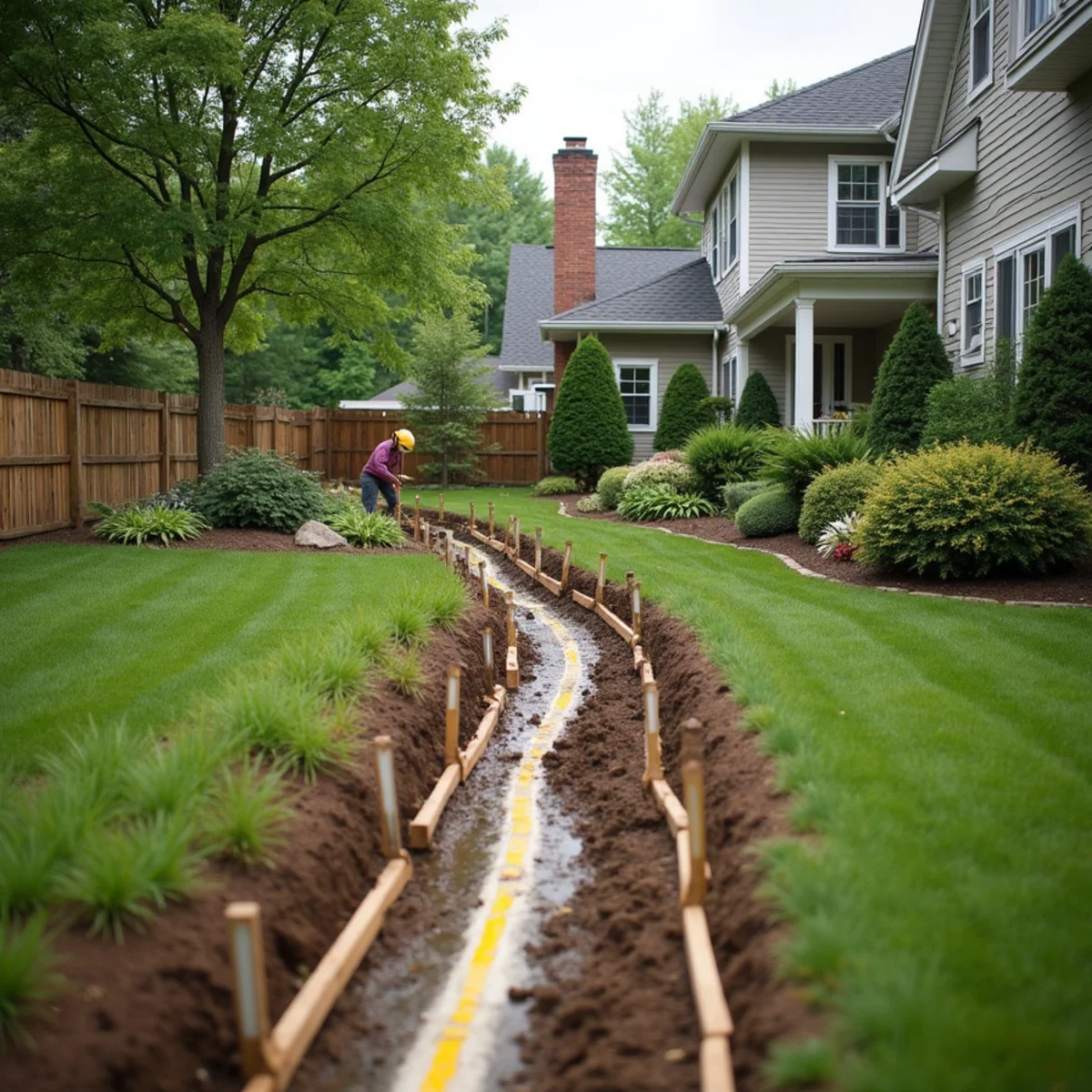
On clay, drainage isn't optional — it's the whole ballgame. Water that collects behind a wall freezes, expands, and pushes the wall out. A sound wall includes drainage gravel and usually a perforated drain pipe (weep system) behind it to carry water away. If your slope has a bigger water problem, the wall may need to tie into a larger drainage and grading solution so you're solving the cause, not just bracing against it.
Site access and conditions
The easier it is to get equipment and material to the wall, the lower the labor cost. Things that raise it:
- Tight backyards, narrow gates, or slopes that block machinery and force hand-hauling.
- Removing an old failing wall before the new one goes in.
- Poor or unstable soil that needs extra excavation and reinforcement.
- Length and the number of curves, corners, and steps.
Where a wall pays you back
A good retaining wall isn't only a fix — it's usable space. Terracing a slope can turn a yard you can't mow into a flat lawn or a patio spot. Many of the walls we build are paired with a hardscape on the new level ground, and combining a wall with a paver patio and hardscaping project in one visit is more efficient than doing them separately. If your goal is that flat, finished living area, our retaining wall construction service is built to create it and hold it.
From the field
Almost every failed wall we get called to rebuild failed for the same reason: no drainage behind it. Someone stacked block against clay, backfilled with the same clay they dug out, and skipped the gravel and the drain pipe. Two or three winters later, water trapped behind the wall froze, expanded, and shoved the whole face out of line. You can see it from the street — a wall that bellies out in the middle or leans downhill. That's never the block's fault; it's what's behind it.
The other tell of a cheap bid is the base. A wall's first course belongs below grade on several inches of compacted crushed stone, buried where you can't see it. Cut that corner and the wall has nothing to sit on, so it settles unevenly and the courses crack apart. When we quote a wall, a big share of the number is excavation, stone, gravel, and pipe — the parts that don't show. A bid that comes in noticeably lower is usually skipping exactly the work that makes a wall last, and you pay for it later when it fails.
Ready to hold that slope for good?
A retaining wall done right turns a problem slope into flat, usable yard and keeps water where it belongs — for decades. Whether you're terracing a hillside in Valparaiso or leveling a backyard in Crown Point, Rome's crew builds walls with the base, backfill, and drainage our soil demands. Reach out for your free on-site estimate and we'll walk your slope, explain your options, and give you a number you can actually understand.
Frequently asked questions
How much does a retaining wall cost in Northwest Indiana?
There's no honest flat answer, because height, block type, drainage, backfill, and site access all move the number, and a short garden wall and a 5-foot engineered wall aren't the same animal. That's why we quote every wall on-site for free, then explain exactly what's driving the price.
Do I need a permit for a retaining wall?
Short garden walls usually don't, but walls over roughly 4 feet generally require an engineered design and a permit across most Northwest Indiana towns. We handle the design requirements and tell you up front where your project falls, so nothing gets flagged later.
Why is drainage such a big deal for a wall here?
Because our clay holds water and our winters freeze it. Water trapped behind a wall freezes, expands, and pushes the wall out of line — the number one reason walls fail in The Region. Proper drainage gravel and a weep system behind the wall are what let it last.
Can you match a wall to my existing patio or landscaping?
Yes. Segmental block comes in a wide range of colors and textures, and we choose the wall to complement your home, patio, and beds so it looks built-in rather than added on.
Are timber retaining walls a good deal?
They're cheaper up front but rarely worth it here. Wood rots in wet clay and freeze-thaw, so a timber wall often needs replacing years before block or stone would. We usually steer homeowners toward engineered block for the long-term value.
Need help with drainage & grading?
The crew behind this guide handles drainage & grading solutions across Hobart and Northwest Indiana. Get a free, no-pressure on-site estimate.