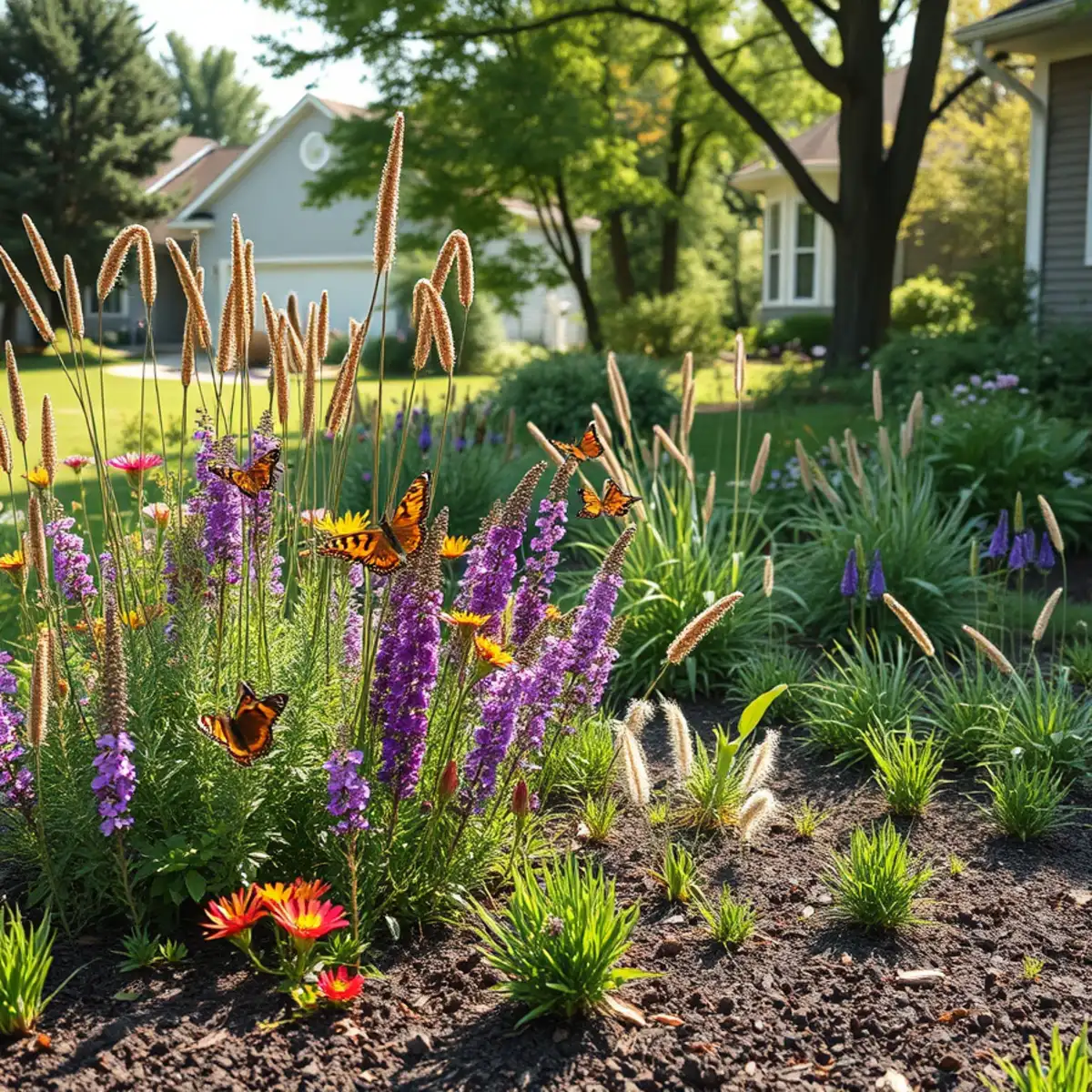
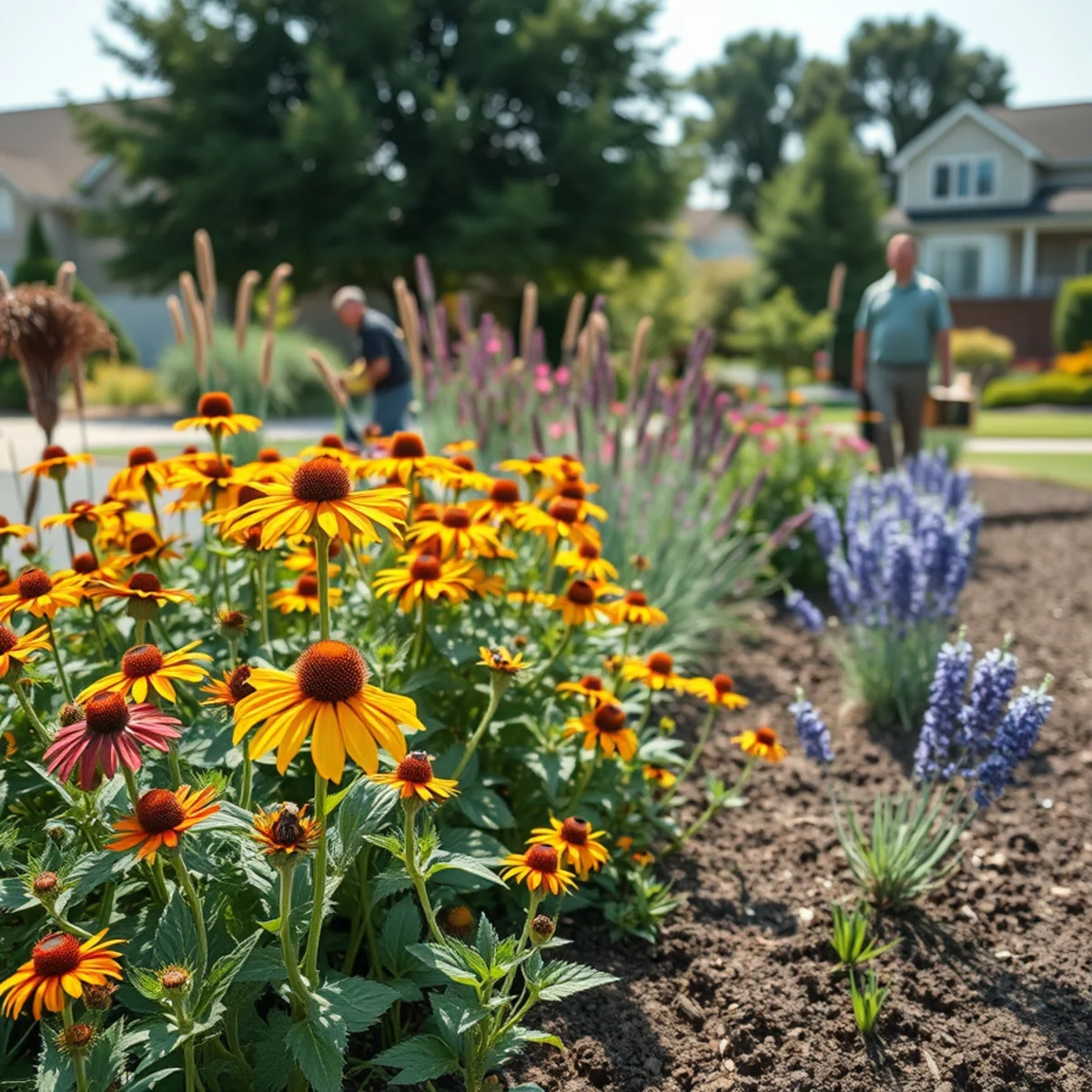
The toughest performers in Northwest Indiana clay are native perennials like black-eyed Susan, purple coneflower, and swamp milkweed; shrubs like red twig dogwood, ninebark, and summersweet; and deep-rooted native grasses such as little bluestem and switchgrass. They don't just survive our heavy clay — they prefer it.
Dig a hole anywhere in The Region and you'll hit it fast: dense, gray-brown clay that turns to soup in April and cracks like pottery in August. Most of the plants sold at big-box garden centers were never bred for that. The good news is that plenty of tough, beautiful species don't just tolerate our clay — they genuinely prefer it. Pick from that list and you spend your weekends enjoying the yard instead of replacing dead shrubs.
Why clay defeats the wrong plants
Clay isn't bad soil. It's actually rich in nutrients. The trouble is structure. The particles are so fine they pack tight, which chokes off oxygen and traps water around roots. A plant that likes fast-draining ground drowns here in a wet spring, then bakes when the same clay hardens in a July drought.
So the winners share a few traits: deep, fibrous root systems that can push through dense soil, tolerance for "wet feet" in spring, and drought resistance once established. That combination points straight at our regional natives and a handful of clay-proven ornamentals.
Native perennials that thrive in clay
Natives evolved in exactly this ground, which is why they shrug off conditions that kill fussier imports. A few we lean on constantly:
- Wild bergamot (Monarda fistulosa). Lavender, shaggy blooms that bees and hummingbirds swarm. It handles clay and summer humidity without flinching and spreads into a generous clump.
- Black-eyed Susan (Rudbeckia hirta). The workhorse of Region gardens. Golden daisies from midsummer to frost, unbothered by heavy soil, and it reseeds politely to fill gaps.
- Purple coneflower (Echinacea purpurea). A deep taproot lets it punch through clay and ride out dry spells. Leave the seed heads up and goldfinches feed on them into winter.
- New England aster (Symphyotrichum novae-angliae). Late-season purple that keeps pollinators fed when everything else fades. It loves the moisture clay holds.
- Swamp milkweed (Asclepias incarnata). Despite the name it's a garden-friendly clump, and it actually wants the damp low spots most plants hate. It's also a monarch host plant.
The Indiana Native Plant Society is a great resource if you want to go deeper on regional selections. Anything on their lists is a safe bet for our zone 5b/6a climate.
Shrubs that hold up in heavy ground
Shrubs give a yard its bones, so you want ones that won't sulk in clay:
- Red twig dogwood (Cornus sericea). Tolerates wet clay beautifully and pays you back with fire-red stems that glow against winter snow.
- Ninebark (Physocarpus opulifolius). Native, nearly indestructible, with peeling bark and cultivars in lime green to deep burgundy.
- Arrowwood viburnum (Viburnum dentatum). Dense, adaptable, with spring flowers and blue-black berries the birds strip fast.
- Summersweet (Clethra alnifolia). Fragrant late-summer bloom and a genuine love of moist, heavy soil — perfect for that spot near the downspout.
Native grasses for texture and toughness
Ornamental grasses are the most underused fix for clay yards. Their deep roots literally improve the soil over time by opening channels as they grow and die back.
- Little bluestem (Schizachyrium scoparium). Blue-green blades that turn copper-orange in fall, standing straight through winter wind. It asks for nothing once rooted.
- Prairie dropseed (Sporobolus heterolepis). A fine, fountaining mound with a light fragrance in bloom — refined enough for a formal bed.
- Switchgrass (Panicum virgatum). Upright and tall, great for screening or a bold backdrop, and it holds soil on a slope.
Planting tips that make the difference in clay
Right plant, wrong technique still fails. A few hard-won rules from our crews:
- Dig wide, not deep. Make the hole two to three times the width of the root ball but no deeper. In clay, a deep hole becomes a bathtub that collects water and rots roots.
- Rough up the sidewalls. A smooth-sided hole in clay glazes over and roots circle inside it like a pot. Score the sides so roots can escape into native soil.
- Don't backfill with pure compost. It sounds helpful, but a rich pocket in clay just makes another bathtub. Blend amendment into the whole bed, not one hole.
- Set the crown high. Plant slightly proud of grade so the base sheds water instead of sitting in it.
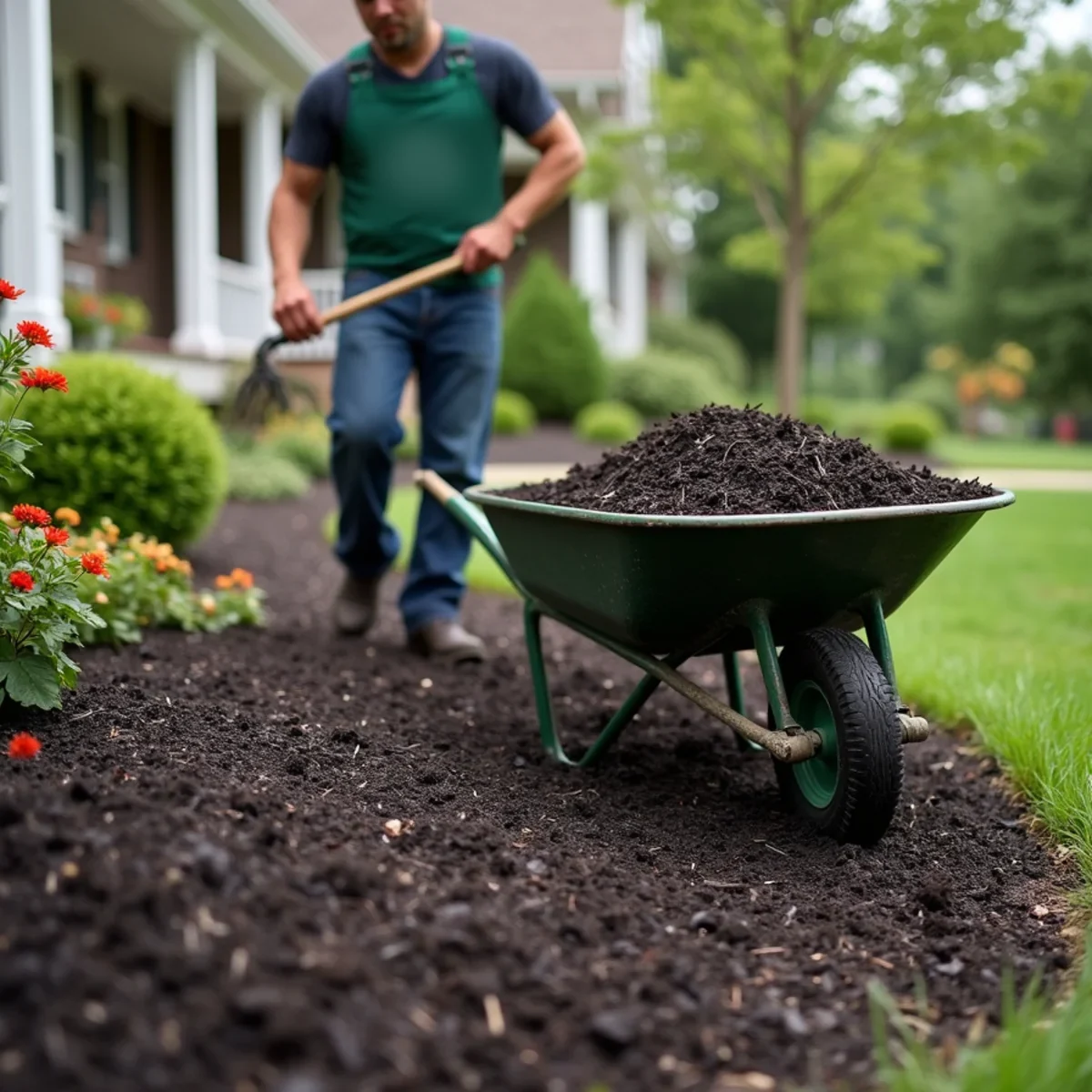
- Mulch, but keep it off the stems. Two to three inches holds moisture and moderates our temperature swings. Piled against the trunk, it invites rot.
Amending clay the right way
You can't replace clay across a whole yard, and you shouldn't try. You improve it. Work two to three inches of quality compost into the top eight to ten inches of the bed. Over a few seasons, that organic matter feeds soil life that builds structure and opens up drainage. Before we amend anything, we like knowing what we're starting with, so we point homeowners to a Purdue Extension soil test — it tells us pH and texture so we amend on purpose instead of by guesswork. Getting the soil biology right also means your turf responds better to a smart lawn fertilization and weed-control program down the line, since healthy soil is the foundation for both beds and grass.
Ready to plant something that lasts?
You don't have to fight your soil. Whether you're planting a pollinator bed here in Hobart, refreshing a clay-heavy lot in Schererville or Munster, or reworking a full property out in Valparaiso, Rome and the crew will read your ground and choose plants that actually want to grow in it. When you're ready to trade the replacement cycle for a yard that thrives, reach out through our contact page for a free on-site estimate.
Frequently asked questions
Do I have to use only native plants?
No. Natives are the easiest wins because they're built for our soil and climate, but plenty of well-chosen ornamentals like ninebark and red twig dogwood do great too. The key is matching the plant to clay conditions, not the plant's zip code of origin.
Will these plants survive a wet Region spring?
The species above were chosen specifically because they tolerate the "wet feet" of a clay spring. That said, a genuinely swampy yard needs its drainage addressed first — no plant thrives in standing water for weeks.
When is the best time to plant in Northwest Indiana?
Spring and fall are ideal. Cooler soil and steadier rain let roots establish before summer heat or winter freeze. We plant successfully through summer too, but it takes more attentive watering the first few weeks.
Can you design a low-maintenance clay-friendly yard for me?
That's a big part of our landscape design and installation work. We match the plant palette to your exact soil, light, and drainage so the finished yard mostly takes care of itself.
Need help with fertilization & weed control?
The crew behind this guide handles lawn fertilization & weed control across Hobart and Northwest Indiana. Get a free, no-pressure on-site estimate.