The best low-maintenance landscaping starts with matching each plant to the spot's sun and soil, leaning on Northwest Indiana natives that thrive on their own, shrinking the lawn you have to mow, mulching beds three inches deep, and using hardscape where turf struggles. Design for less work from the start and the yard mostly runs itself.
A low-maintenance yard isn't a lazy yard. It's a smart one. The homeowners we work with across the Region don't want to spend every Saturday behind a mower or babying plants that were never going to thrive in our clay to begin with. They want a property that looks sharp, holds up to NWI weather, and gives their weekends back. That's completely doable — you just have to design for less work from the start instead of fighting your yard every season. Here's how we do it.
Start with right plant, right place
Ninety percent of "high-maintenance" landscaping is really the wrong plant fighting to survive where it was planted. A sun-lover stuck in shade, a moisture-hater dropped into a soggy clay low spot — it limps along, needs constant attention, and still looks rough. Match the plant to the conditions it actually wants and it more or less takes care of itself.
That means reading your yard honestly: where the sun falls, where water collects, how the soil drains. Then you plant accordingly. It's the least glamorous principle in landscaping and by far the most powerful one for cutting your workload.
Lean on native plants that already belong here
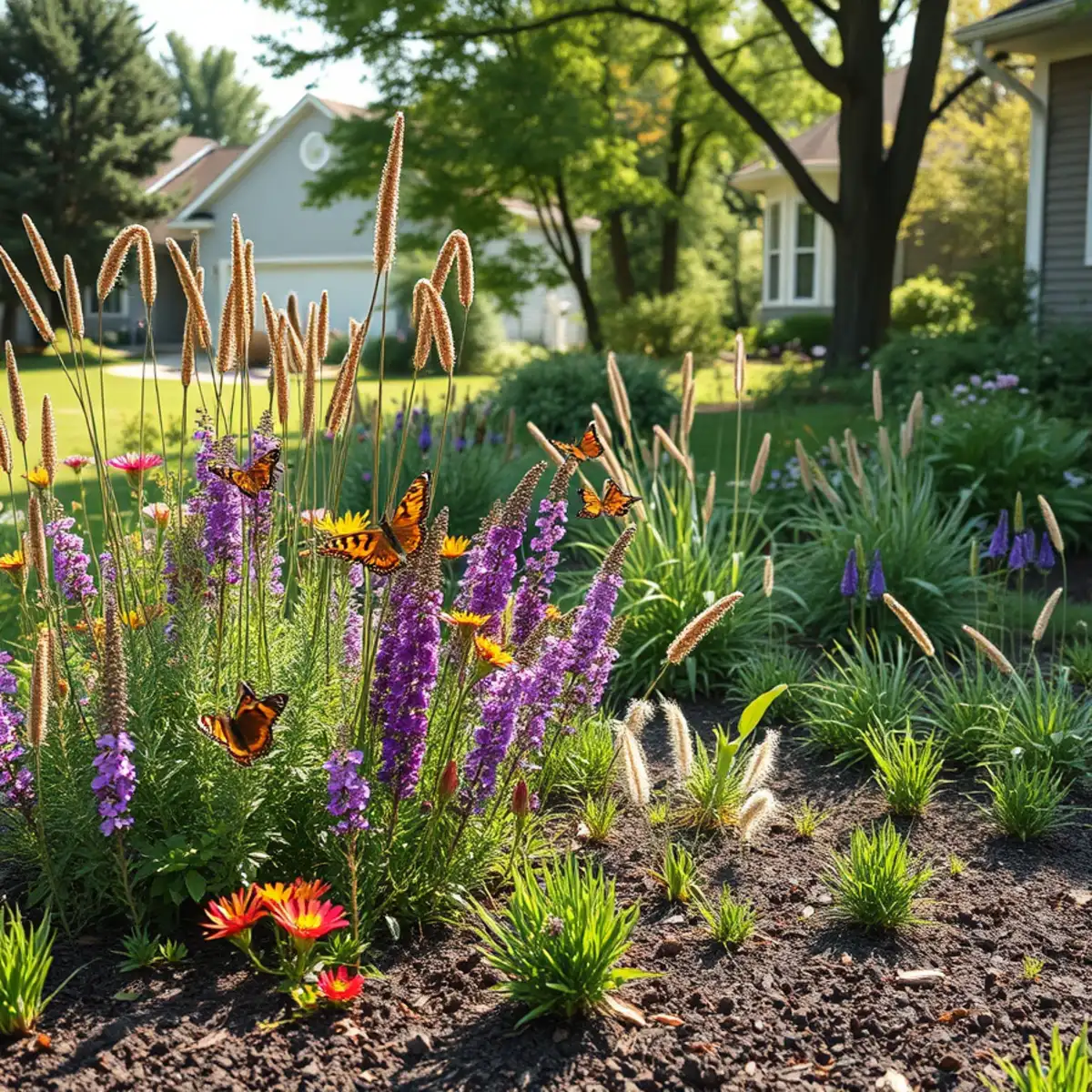
Nothing is lower-maintenance than a plant that evolved to live in Northwest Indiana. Natives are adapted to our clay, our humid summers, our zone 5b/6a winters, and our rainfall patterns. Once they're established, they need no coddling, little to no extra water, and no fussing to survive a cold snap.
A few workhorses we lean on:
- Wild bergamot — tough, fragrant, and covered in pollinators all summer.
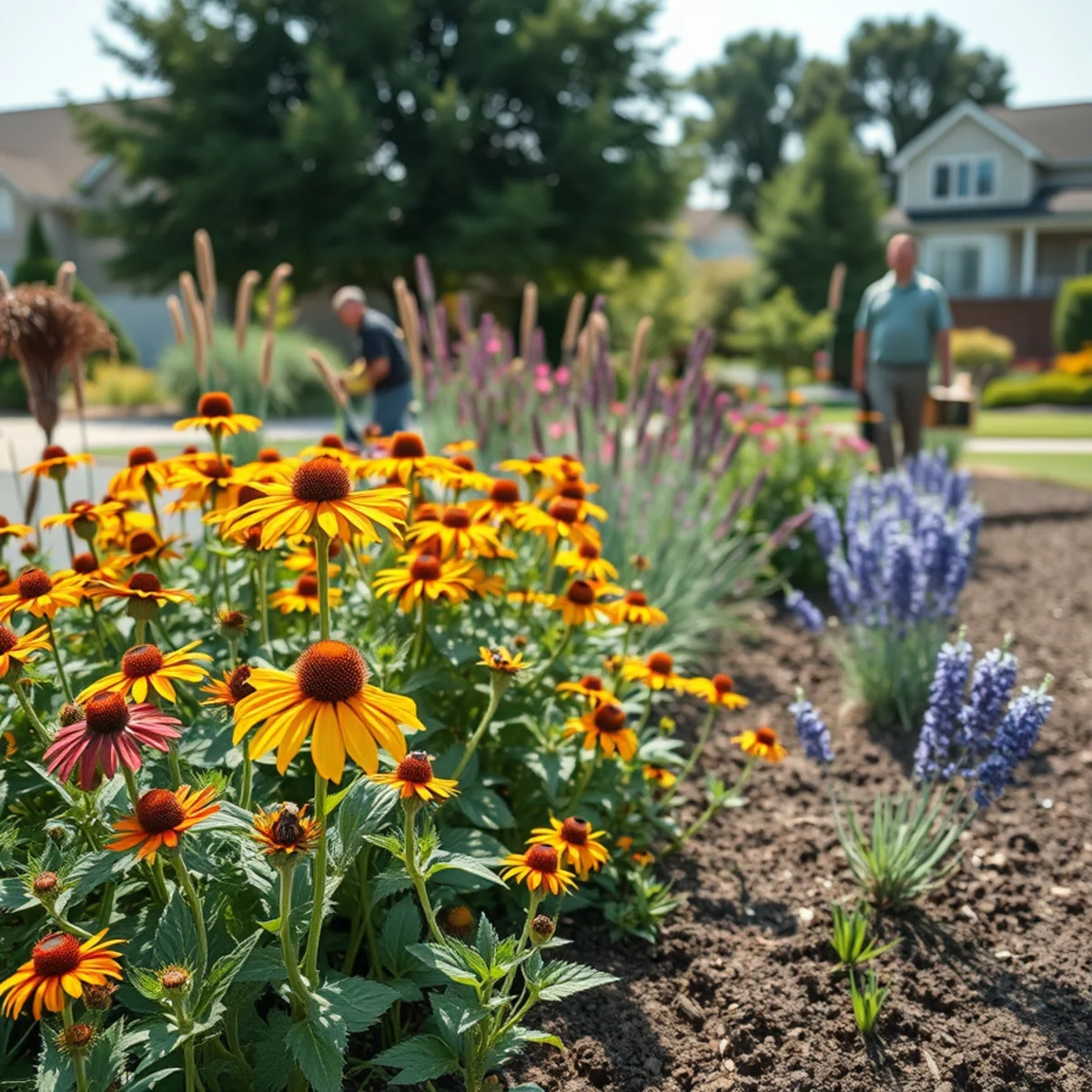
- Black-eyed Susan — cheerful, drought-tough, and it spreads to fill space.
- Little bluestem — a native grass that gives you movement, structure, and gorgeous russet color into winter.
Natives also feed the bees and butterflies that our imported nursery plants ignore. If you want to go deeper, the Indiana Native Plant Society is a genuinely useful resource for our region. Building beds around plants like these is the backbone of a smart landscape design and installation plan that looks intentional and asks almost nothing of you once it fills in.
Shrink the lawn you have to mow
Turfgrass is the single most demanding thing in most yards. It wants mowing every week in season, plus feeding, watering, and weed control. Every square foot of lawn you convert to something else is time you buy back.
You don't have to rip it all out. Just be strategic:
- Turn hard-to-mow strips — steep slopes, tight side yards, the awkward wedge by the driveway — into planted beds or ground cover.
- Widen your bed lines with sweeping curves instead of tight edges the mower fights.
- Replace turf under mature trees, where grass struggles for light anyway, with mulch and shade-tolerant plants.
Less lawn means less mowing, less watering, and less of the weekly grind, without your yard looking bare.
Let mulch do the heavy lifting
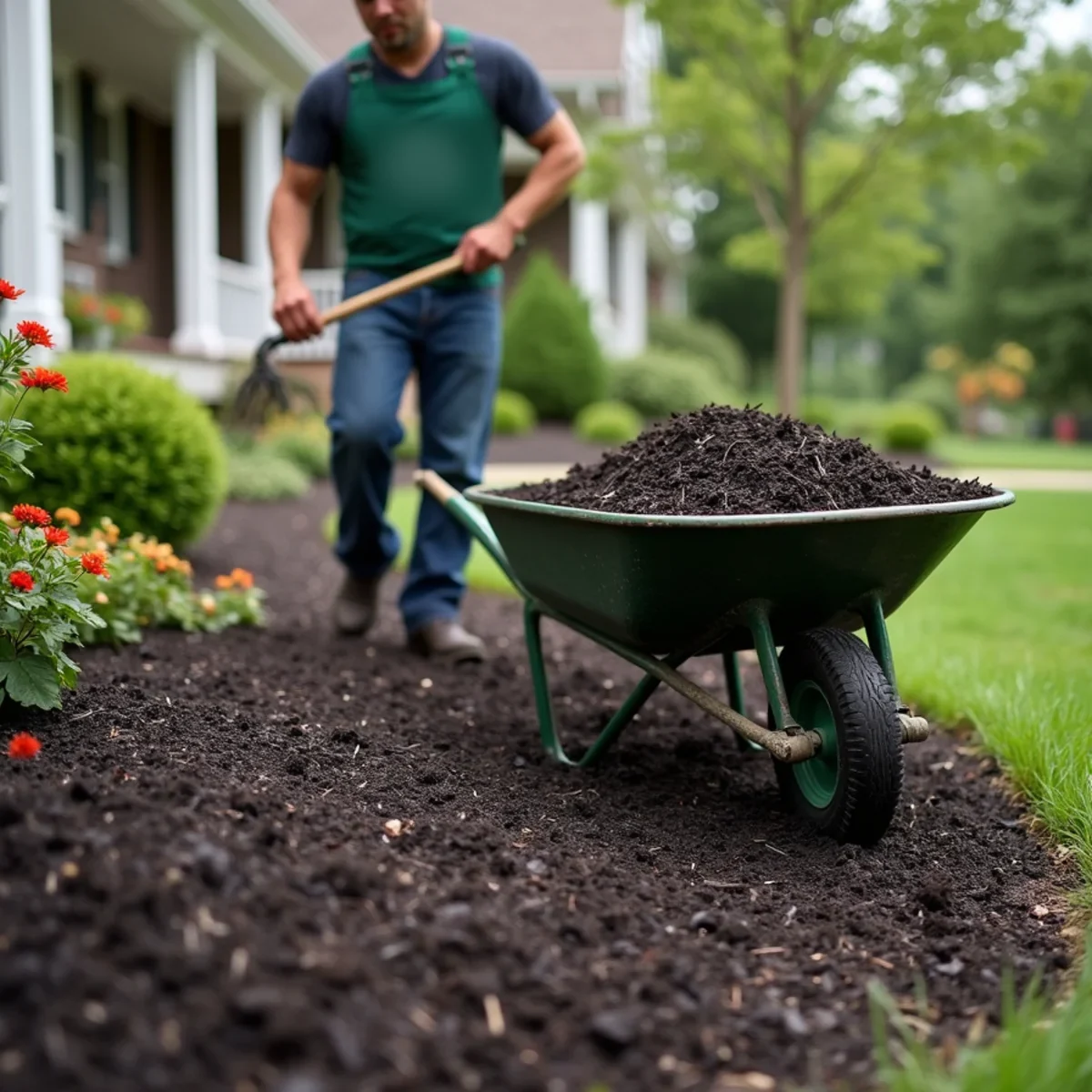
Mulch is the hardest-working, cheapest labor-saver in the landscape. A good three-inch layer of shredded hardwood mulch on your beds does four jobs at once: it smothers weeds before they start, holds moisture in the soil so you water less, moderates soil temperature through our freeze-thaw swings, and breaks down over time to feed our tight clay. Refresh it once a year and your beds stay clean with a fraction of the weeding.
The flip side of a clean, low-work landscape is getting rid of the stuff that fights you — overgrown, misplaced, or half-dead shrubs that eat your time. Our mulching and shrub removal service clears out the plants that were never right for the spot and lays down the fresh mulch that keeps the redesigned beds effortless.
Use hardscape as the ultimate low-maintenance surface
The lowest-maintenance ground cover of all is one you never have to mow, water, or weed. Well-designed hardscape does exactly that. A paver patio, a walkway, a stone seating area — these replace fussy turf and beds with a surface that just needs the occasional sweep and wash.
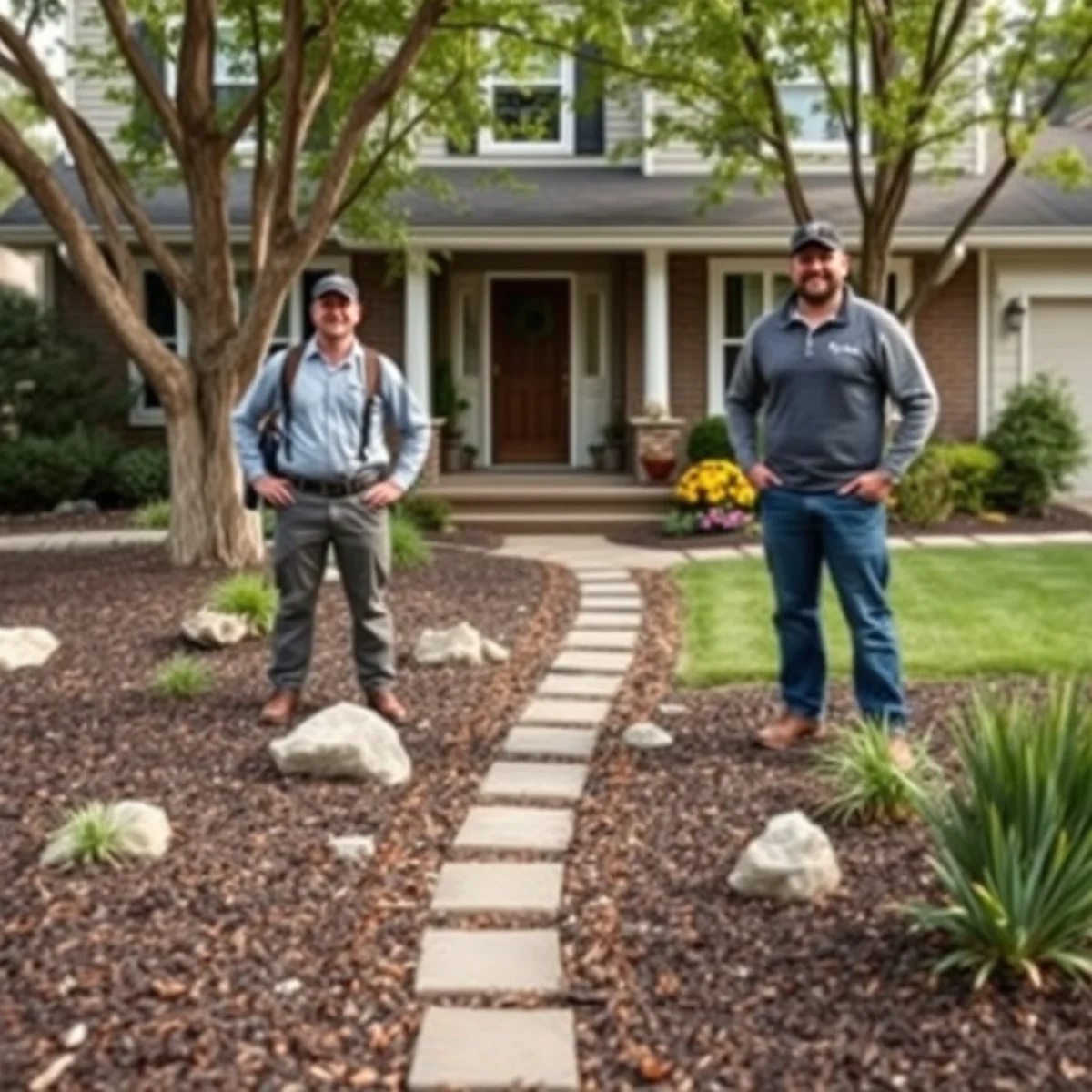
Because pavers are built on a flexible base, they ride out our freeze-thaw movement instead of cracking, so they stay looking good for years with almost no upkeep. Working paver patios and hardscaping into a low-maintenance design gives you usable outdoor living space and subtracts chores at the same time — a rare win-win in a yard.
Group plants by their water needs
Here's a pro move that quietly cuts maintenance: put plants with similar water needs together. When your thirsty plants are in one bed and your drought-tough natives in another, you can water each group correctly instead of over-watering half of them to keep the other half alive. It saves water, saves time, and keeps everything healthier. Combined with a couple of inches of mulch, many established native beds get through a normal Region summer on rainfall alone.
Putting it together across the Region
These ideas stack. Right-plant-right-place plus natives plus less turf plus mulch plus smart hardscape gives you a property that reads as designed and cared-for while asking for a fraction of the weekend hours. Rome and the crew build yards like this all over the area — from the established neighborhoods around Merrillville to the newer subdivisions in Schererville — matching the plan to how much time each homeowner actually wants to spend outside with a tool in their hand.
From the field
The biggest time-saver we install isn't a plant at all — it's the bed edge. A clean cut spade edge, or a steel edge between lawn and mulch, is what keeps grass from creeping into the beds and mulch from spilling into the turf. Homeowners who skip it end up hand-pulling that border every few weeks. Cut it once, deep and crisp, and you erase a whole recurring chore.
We also steer people away from the rock-instead-of-mulch shortcut more than they expect. Rock looks permanent, but on our windy, tree-heavy lots it fills with leaves and grit, weeds root right in that debris, and there's no raking it clean once it's down. Worse, rock against the south wall of a house bakes the plants in front of it. For most Region beds, shredded hardwood mulch topped off once a year is genuinely less work over ten years.
And we plant smaller than customers want us to. A shrub jammed in at full size to look finished on day one is the one you're hacking back constantly by year three. We space for the mature size and let it fill in. A little patience up front buys you years of not fighting the plant.
Ready for a yard that works less and looks better?
You shouldn't have to choose between a great-looking property and your Saturdays. Let Rome's crew design a landscape around the right plants, less lawn, smart mulch, and durable hardscape, matched to exactly how hands-on you want to be. Get in touch through our contact page for a free on-site estimate, and we'll walk your yard and map out a plan that gives you back your weekends.
Frequently asked questions
Does low-maintenance mean my yard will look plain or boring?
Not at all. Native grasses like little bluestem, flowering perennials, layered mulch beds, and clean hardscape lines make a yard look intentional and rich. Low-maintenance is about eliminating fussy plants and needless lawn — the design still has color, texture, and structure all season.
How long until native plantings fill in and look established?
Give them a season or two. Natives famously "sleep, creep, then leap" — the first year they build roots, the second they settle in, and by the third they've filled the bed and hit their stride. After that they largely run themselves with a yearly cleanup.
Is mulch or rock better for low upkeep?
Mulch, for most planted beds in our area. It suppresses weeds, holds moisture, and feeds our clay as it breaks down — you just top it off yearly. Rock looks permanent but collects leaves and debris, weeds still root in the gaps, and it does nothing to improve the soil beneath it.
Need help with landscape design?
The crew behind this guide handles landscape design & installation across Hobart and Northwest Indiana. Get a free, no-pressure on-site estimate.