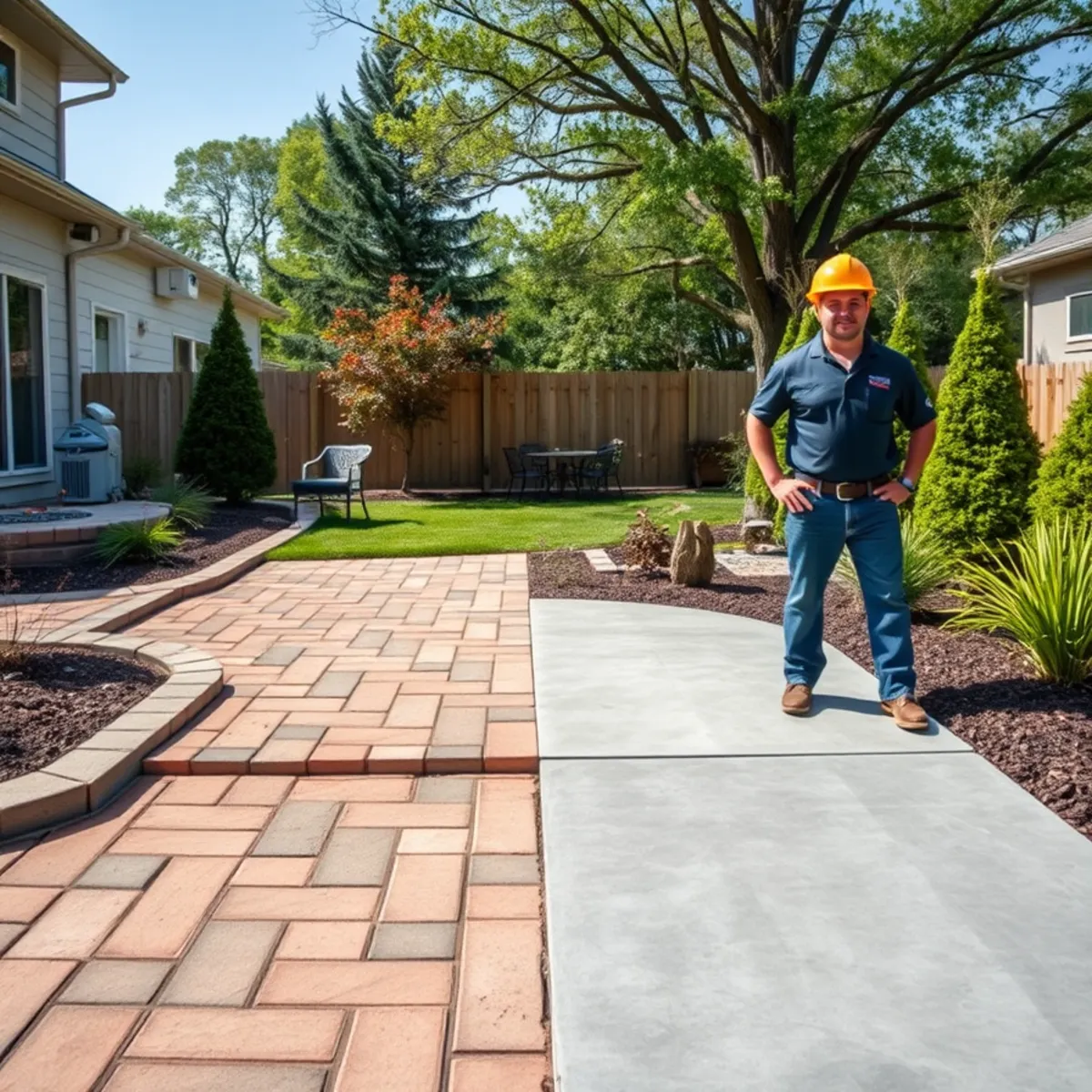
For a patio in Northwest Indiana, pavers usually beat poured concrete. Our freeze-thaw winters heave the clay, and a rigid concrete slab eventually cracks against that movement while a paver patio flexes with it. Concrete costs less up front, but pavers repair easily, last longer, and return more at resale. The base prep is what decides it.
If you're planning a patio in Northwest Indiana, the first real decision isn't the shape or the furniture — it's the surface. Pavers or poured concrete? Both get pitched as the durable choice, but our ground doesn't treat them the same way. Freeze-thaw is the great equalizer here, and it's brutal on anything that can't move with the soil. Here's an honest, side-by-side look at how each holds up in the Region, where each one wins, and where each one lets you down.
The one factor that decides it: freeze-thaw
Everything about this comparison comes back to our winters. NWI soil is heavy clay that swells when it's wet and shrinks when it dries, and our temperatures swing across the freezing line dozens of times each winter. Every one of those cycles moves the ground under your patio.
- A poured concrete slab is one rigid piece. When the clay heaves unevenly beneath it — and it will — the slab has no way to flex. So it cracks. Not if, but when. Control joints help steer where the cracks go, but they don't stop them.
- A paver patio is dozens of small units over a flexible base. When the ground moves, individual pavers shift a hair and settle back. The joints absorb the movement. There's no monolithic slab to snap.
That single difference drives almost everything below.
Durability and lifespan
Concrete does fine for a while, then it usually shows its age all at once — a big crack, a spalled surface flaking off after a few salty winters, or a corner that's heaved out of level. Once a slab cracks badly, there's no invisible repair; you're patching or replacing.
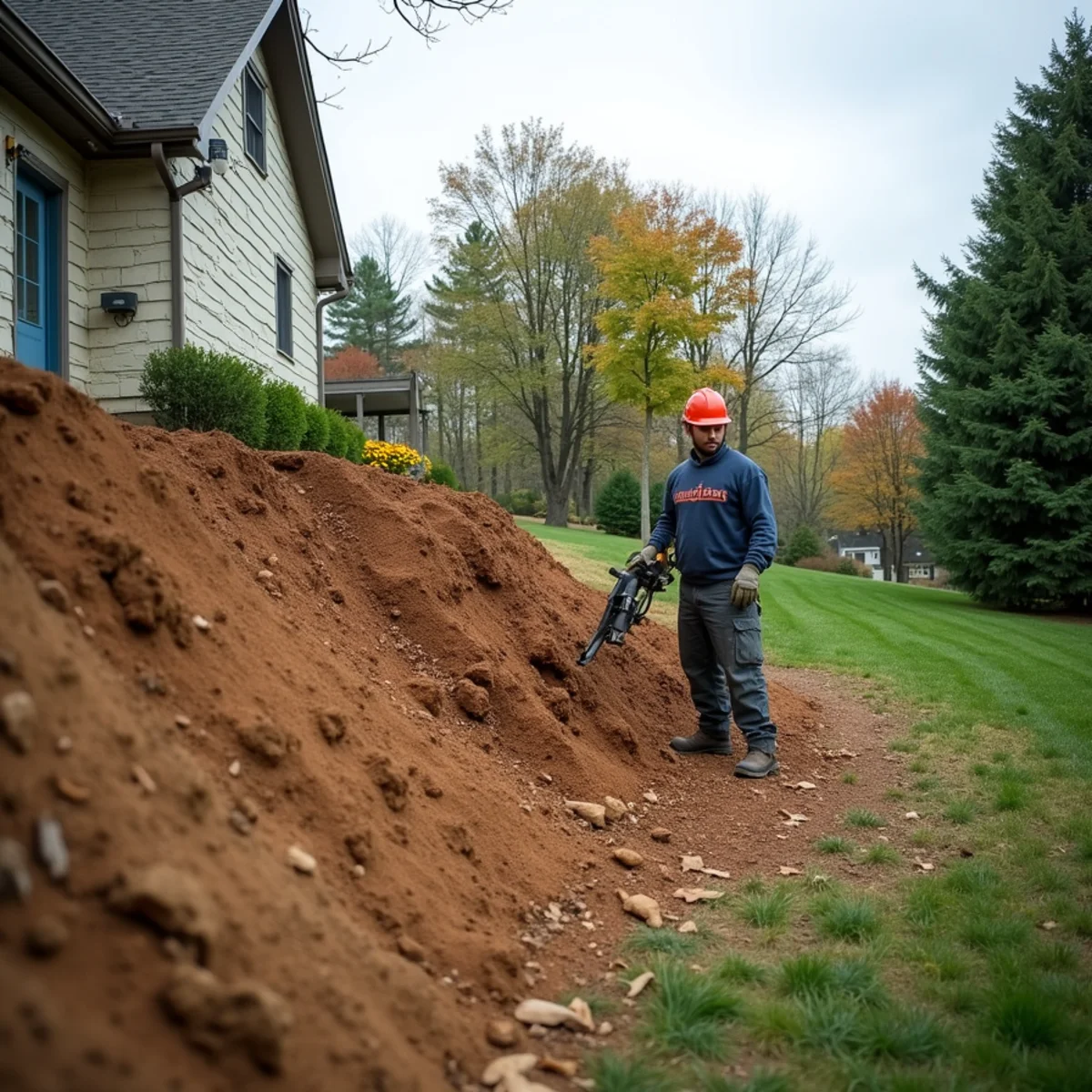
A properly built paver patio is engineered to outlast the concrete alternative in our climate precisely because it's designed to move. The interlocking system spreads load and flexes with the freeze-thaw instead of fighting it. The catch is the word "properly" — pavers are only as good as the base beneath them. Skip the deep excavation and compaction our clay demands and pavers heave just like a cheap slab. That's the whole game with hardscaping and paver patios: the part you can't see is the part that lasts.
Repairs — where pavers pull way ahead
This is the clearest win for pavers, and it's the one homeowners underestimate.
- Concrete: A crack or a stain is essentially permanent. Patches never match. A serious problem means saw-cutting and re-pouring a section, and the new concrete rarely blends with the old.
- Pavers: Damage one stone with a dropped grill or a heavy planter? Lift that single paver and drop in a replacement. Settle a low spot? Pull the pavers, correct the base, relay them. The same stones go back down. There's no scar.
If a tree root lifts an area or you decide to run a gas line for a fire feature later, pavers come up and go back without a trace. Concrete doesn't give you that.
Looks and design
Concrete's default is a flat gray plane. You can stamp it or stain it to dress it up, but stamped concrete cracks like any other slab, and the coloring fades and wears with sun and salt.
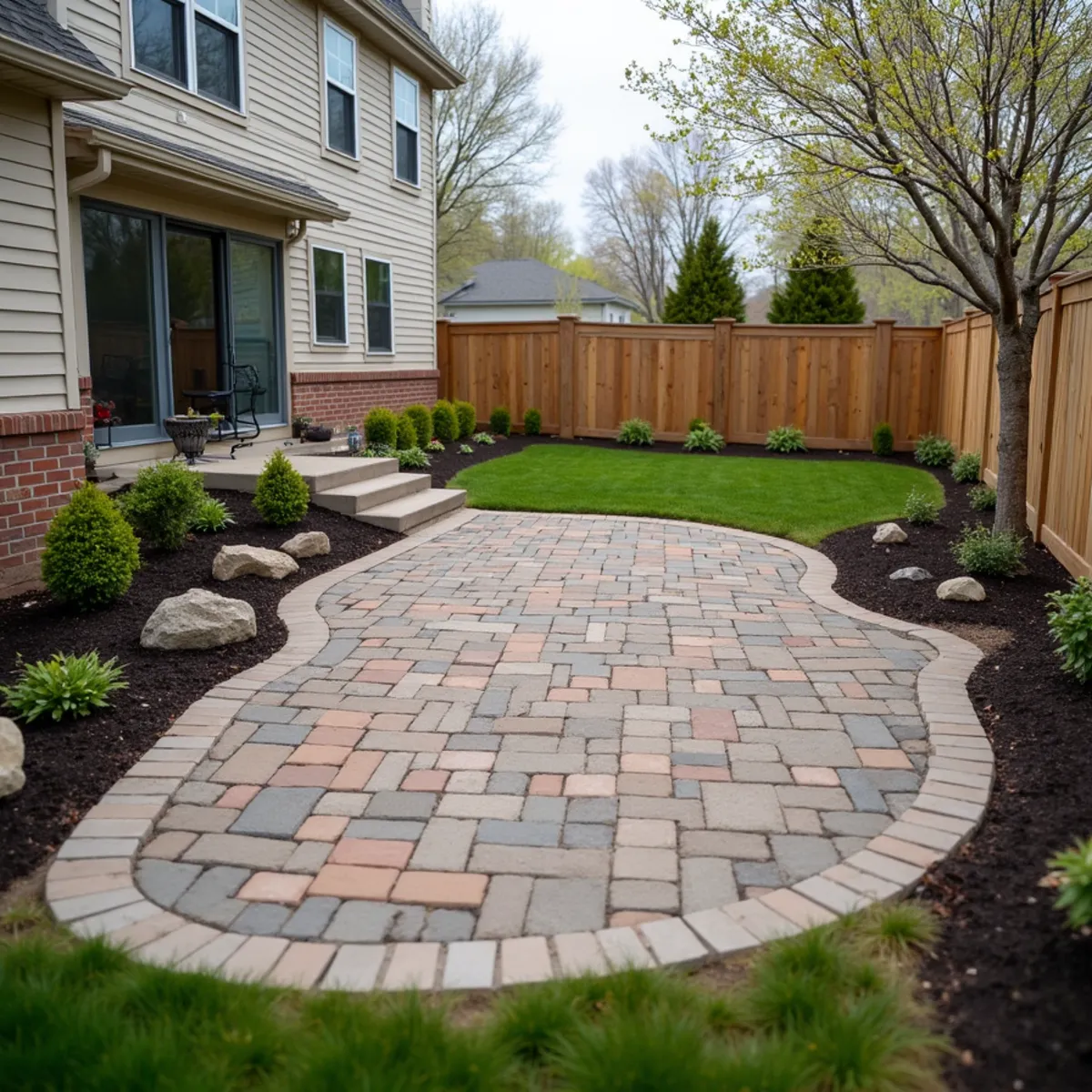
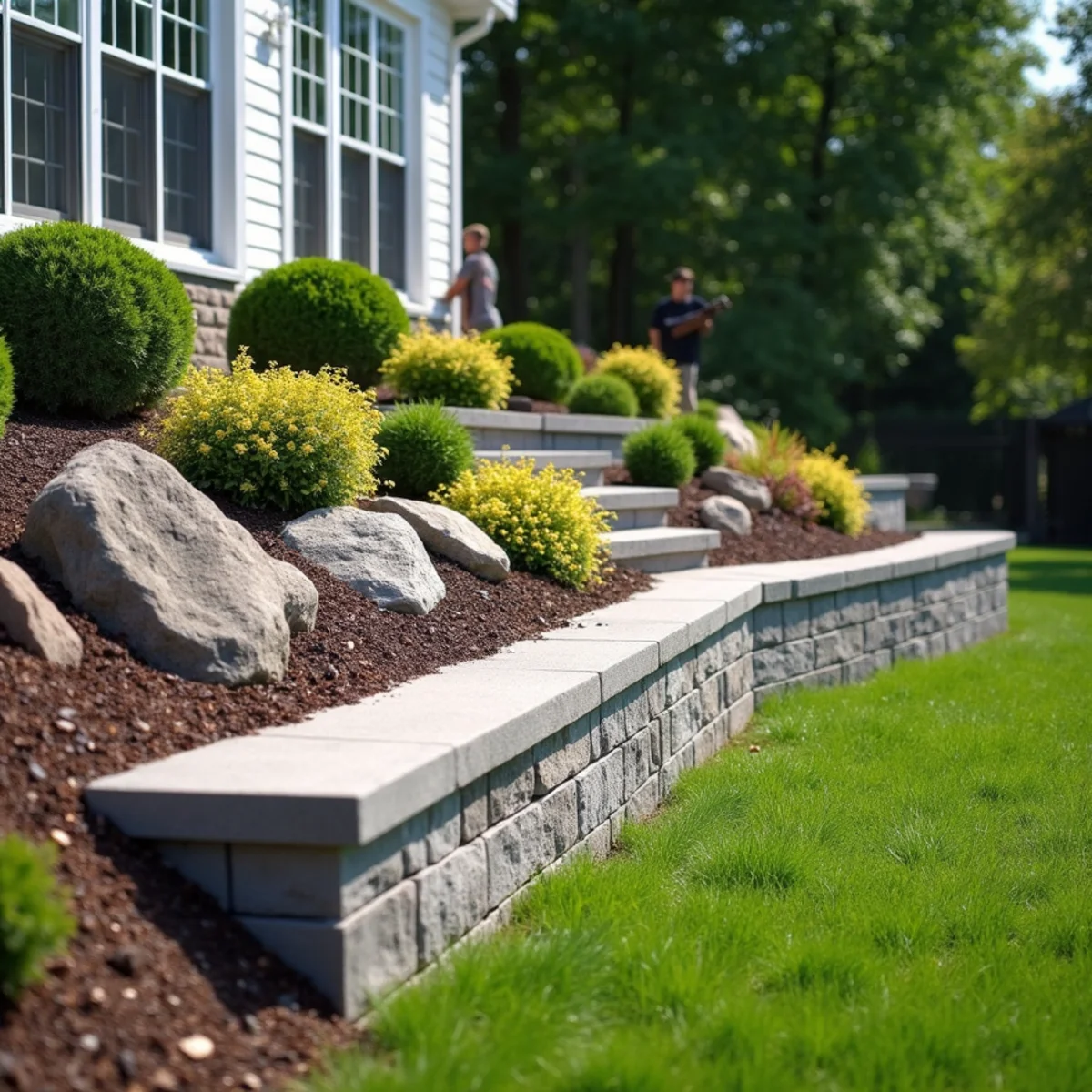
Pavers give you texture, color blends, borders, and patterns like herringbone or running bond right out of the box, and the color runs through the stone instead of sitting on top. That richer look is a big reason pavers pair so naturally with the rest of an outdoor space. A patio flows right into a built-in fire pit and outdoor living area for those cool Region evenings, and the materials tie together instead of clashing.
Resale value
Buyers walk a backyard and read it fast. A cracked, stained slab reads as deferred maintenance. A clean paver patio reads as a finished, cared-for outdoor room. In the market across Crown Point and the growing neighborhoods around Schererville, a well-built hardscape is one of the outdoor features buyers actually notice and pay for. Pavers generally return more of what you put in, and they photograph better in a listing.
Cost — the honest tradeoff
Here's where concrete gets its one real point: up front, a poured slab usually costs less than a paver patio of the same size. There's no getting around that.
But the sticker price isn't the whole story. Weigh it over the life of the patio:
- Concrete's lower install cost gets eaten up by cracks, patches, and eventually replacement in our freeze-thaw climate.
- Pavers cost more to install but repair cheaply and last longer, so the cost per year of good service usually comes out ahead.
We won't quote a number sight unseen, because the ground drives the price more than anything. Square footage, how much base prep your clay demands, paver choice, pattern, and site access all move the figure. That's why we price every patio with a free on-site estimate — we'd rather look at your actual yard than guess.
Keeping either one looking sharp
Whatever you build, our summers grow algae and our winters leave grime. A poured slab stains and holds mildew in its pores; pavers collect it in the joints. Either surface comes back to life with a proper pressure washing, and we finish our own hardscape jobs by washing the surface and the surrounding walks before we leave the site.
From the field
Nine out of ten paver patios that fail in our area failed at the base, not the surface. We've been called to relevel patios that heaved their first winter because whoever built them laid pavers over three inches of sand and called it done. On this clay we dig deeper, put in a compacted aggregate base, and compact it in lifts. That hidden work is the whole job — the pretty part on top is the easy part.
The repair advantage is the one homeowners feel years later. We had a client run a gas line to a new fire pit two summers after we built their patio. We lifted the pavers along the trench, ran the line, reset the base, and dropped the same stones back down. You can't find the spot today. Do that with a concrete slab and you're saw-cutting and living with a mismatched patch forever.
One honest caveat: pavers aren't maintenance-free. The joints need polymeric sand refreshed every several years, and we tell people that up front. It's a broom-and-a-bag afternoon, not a rebuild — but it's real, and anybody who claims pavers never need a thing is selling you something.
Ready to build a patio that beats the winters?
The right surface isn't about the day you pour it — it's about how it looks five and ten winters from now. Let Rome's crew walk your yard, talk through pavers versus concrete for your specific site, and build a patio that shrugs off freeze-thaw instead of buckling under it. Reach out through our contact page for a free on-site estimate and a straight answer on what your project takes.
Frequently asked questions
Which lasts longer in Indiana winters, pavers or concrete?
Pavers, when they're built on a correct base. Their interlocking design flexes with our freeze-thaw movement instead of cracking against it. Concrete is rigid, so uneven heaving in clay soil eventually cracks the slab — that's the most common failure we're called to replace.
Is a paver patio worth the extra cost over concrete?
For most Region homeowners, yes. You pay more up front, but pavers repair cheaply, resist freeze-thaw damage, look better, and tend to return more at resale. Over the years the patio is in the ground, the cost per year of good service usually favors pavers.
Can you replace a cracked concrete patio with pavers?
Absolutely, and it's a common project. We remove the old slab, build the proper compacted base your soil needs, and lay the pavers. You get a surface that flexes with the ground instead of cracking against it, plus the design options concrete can't match.
Need help with paver patios?
The crew behind this guide handles hardscaping & paver patios across Hobart and Northwest Indiana. Get a free, no-pressure on-site estimate.