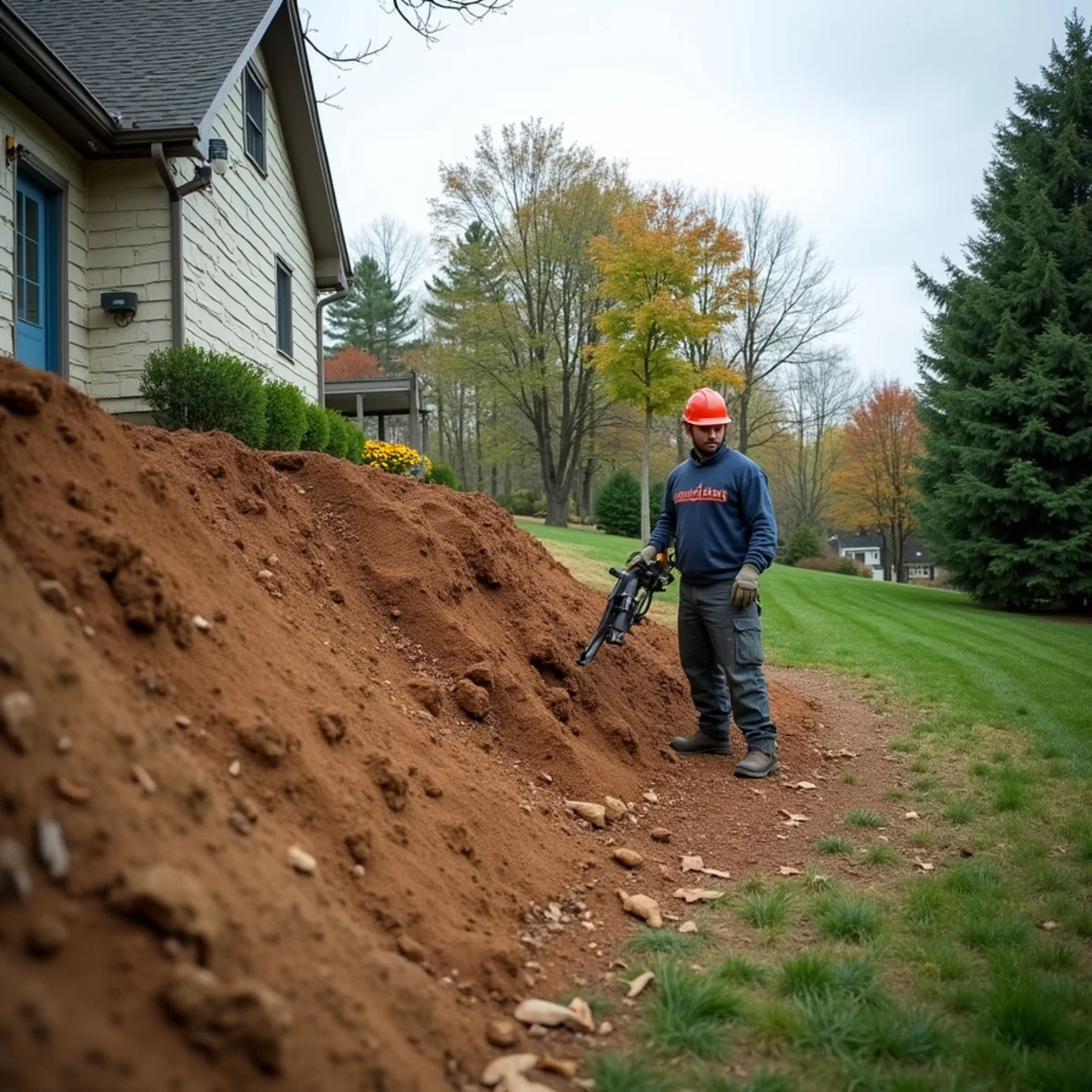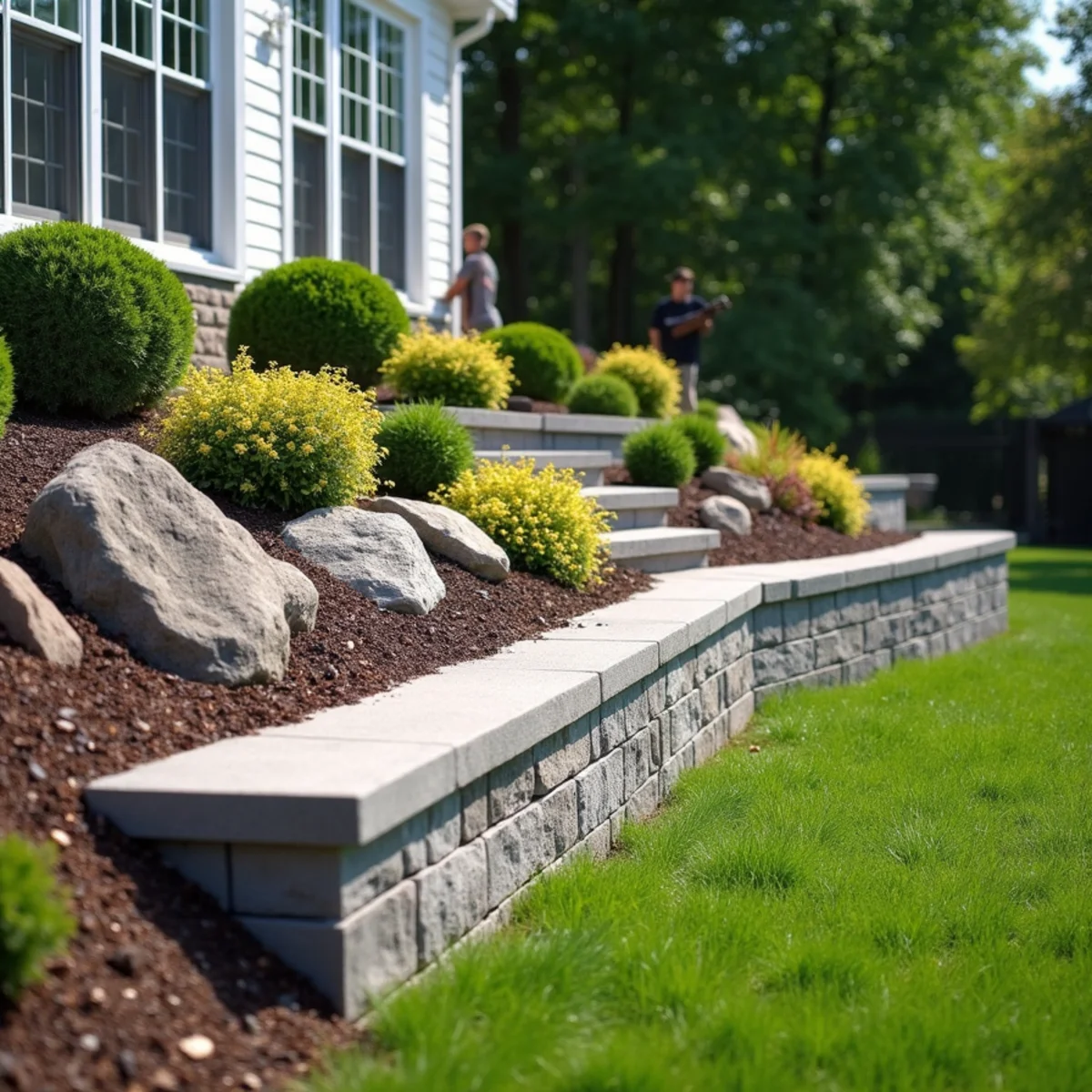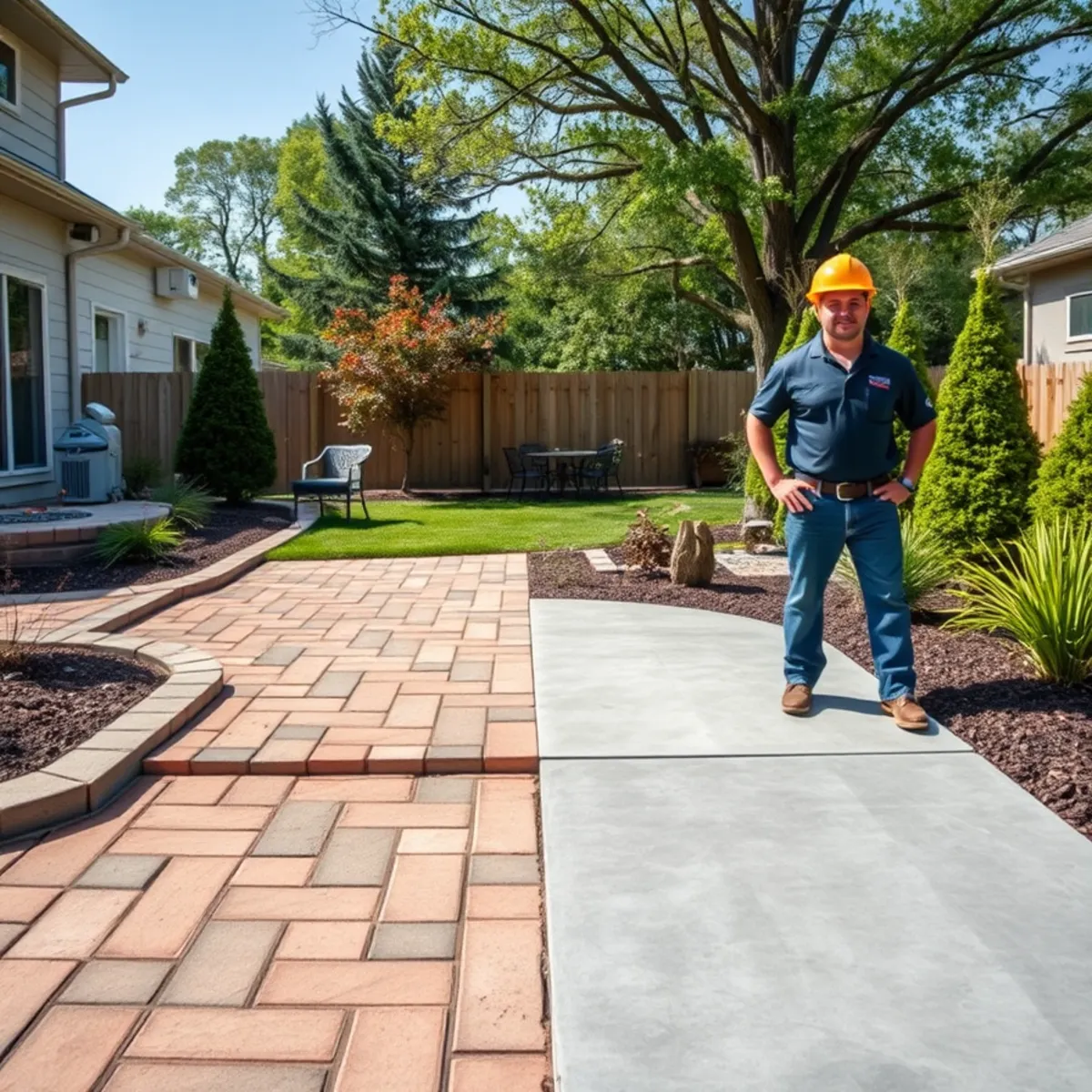
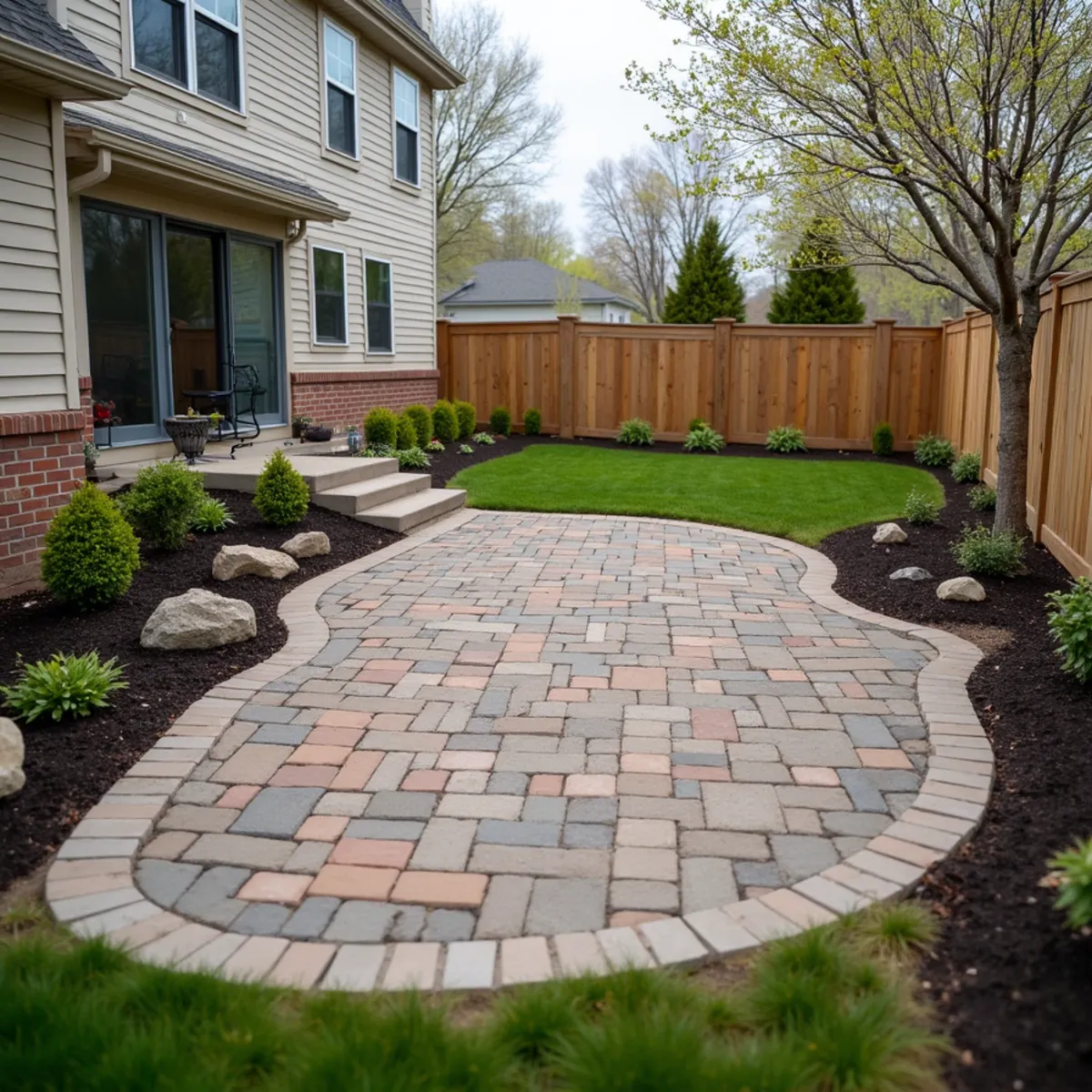
If your paver patio is sinking, tilting, or heaving, the problem is almost never the pavers — it's the base underneath them and the water moving through it. In Northwest Indiana, a shallow or poorly drained base lets freeze-thaw shove the surface around every winter until it buckles. The good news: most of it is fixable, and a correctly rebuilt section stays put.
A paver patio that's gone wavy, dropped in one corner, or lifted along an edge is one of the most common hardscape problems we're called to fix in The Region. It's frustrating, it's a trip hazard, and it makes a nice yard look neglected. But it's also predictable — the causes are a short list, and understanding them tells you whether you need a quick reset or a real rebuild.
Why it happens here specifically
Northwest Indiana runs through dozens of freeze-thaw cycles a winter. Water soaks into the ground, freezes, expands, and pushes everything above it upward — then thaws and drops it back down. Do that all winter, every winter, on our dense Lake County clay, and any patio built on a weak foundation moves. The pavers are just along for the ride.
The real causes of a failing patio
- A base that's too shallow or wasn't compacted. This is the number one cause by a mile. A patio needs excavation down several inches and a compacted, well-graded aggregate base built up in layers. Skip the depth or the compaction and freeze-thaw heaves it within a few seasons.
- Poor drainage. Water trapped under the pavers has nowhere to go, so it saturates the base, freezes, and heaves — or washes fines out and leaves voids the surface drops into. A patio that holds water or sits on a wet, poorly draining lot is living on borrowed time.
- No edge restraint. Without a solid edge holding the field tight, pavers migrate outward over time, joints open, and the pattern spreads and dips.
- Settled or disturbed soil. Patios built over backfill from a foundation or a filled-in pool often settle unevenly as that loose soil consolidates.
- Tree roots. Roots growing under a patio lift sections from below — a slower cause, but a real one on older lots with mature trees.
What you can check yourself
- Press on a sunken paver — does it rock or stay put? A whole section moving together points to a base or drainage problem; one loose unit is a smaller fix.
- Watch where water goes in a storm. Pooling on the patio, or runoff sheeting toward the house, is a drainage flag.
- Look at the edges. Spreading, gaps, or pavers that have crept outward mean the edge restraint has failed.
- Note the pattern. Heaving that appears over winter and partly settles in spring is classic freeze-thaw on a weak base.
Repair or rebuild?
It depends on how deep the problem goes:
- A reset works when the base is fundamentally sound and only a small area has settled — we lift the affected pavers, correct the bedding, and relay them level.
- A partial rebuild handles a section where the base failed but the rest is solid.
- A full rebuild is the honest answer when the whole patio was built on a shallow or undrained base — resetting the surface over a bad foundation just buys a season before it moves again.
We'll tell you straight which one your patio needs. Often we can save and reuse the existing pavers and rebuild only what's underneath, which keeps the cost down. Our paver patio repair service and hardscaping work are built base-first and drained properly so the repair doesn't become a recurring bill — and if the underlying issue is a wet lot, we fix the drainage as part of the job.
How to not have this problem in the first place
If you're planning a new patio, the lesson is simple: the base is the whole ballgame. A deep, compacted, well-drained base with proper edge restraint is what separates a patio that's flat in ten years from one that heaves in three — and it's usually where a suspiciously cheap bid cut the corner. Before you sign, ask every bidder how deep they excavate, how they compact and drain the base, and how they restrain the edges. (Our paver patio cost guide covers what to look for, and the pavers-vs-concrete comparison explains why pavers handle our freeze-thaw better in the first place.)
Ready to fix a failing patio?
A sinking or heaving patio is a base-and-water problem, and both are fixable. Rome and the crew will walk your patio — whether you're in Schererville, Crown Point, or anywhere in Lake County — find what's actually moving, and rebuild it to stay level through our winters. Reach out through our contact page for a free on-site estimate.
Frequently asked questions
Can you fix a patio someone else installed badly?
Usually, yes. Depending on the damage, we can reset sunken sections, correct the base, re-level the field, and often reuse your existing pavers. We'll assess honestly at the estimate whether a reset, a partial rebuild, or a full rebuild makes the most sense — resetting pavers over a bad base only hides the problem for a season.
Why does my patio heave in winter and settle in spring?
That's textbook freeze-thaw on a base that's too shallow or holds water. Moisture in the ground freezes and expands, lifting the pavers, then thaws and drops them. The fix is a proper compacted, drained base — not just relaying the surface.
Will a sinking patio keep getting worse?
Generally, yes. The underlying cause — a weak base, trapped water, or failed edges — doesn't correct itself, and each freeze-thaw season nudges it further. Catching it early usually means a smaller, cheaper fix than waiting until the whole field is uneven.
How do I keep a new patio from sinking?
Build it right the first time: deep excavation, a compacted aggregate base built in layers, proper drainage, a bedding layer, and solid edge restraint. On a wet lot, consider permeable pavers so water passes through instead of pooling. The base you never see is what keeps the surface flat.
Need help with drainage & grading?
The crew behind this guide handles drainage & grading solutions across Hobart and Northwest Indiana. Get a free, no-pressure on-site estimate.