The three retaining wall materials you'll choose between in Northwest Indiana are segmental concrete block, natural stone, and boulders. Block is the versatile, cost-effective workhorse that suits most yards; natural stone is the premium, custom look; boulders are the rugged, naturalistic option that's often economical on bigger slopes. But with any of them, the drainage and base behind the wall matter more than the face you pick.
Once you've decided your slope needs a retaining wall, the next question is what to build it from. The material sets the look, the budget, and some of how the wall behaves — but it's only half the story, because a wall is really a drainage structure with a pretty face. Here's an honest comparison of the three materials we build with in The Region, and the part that matters more than all of them.
Segmental concrete block
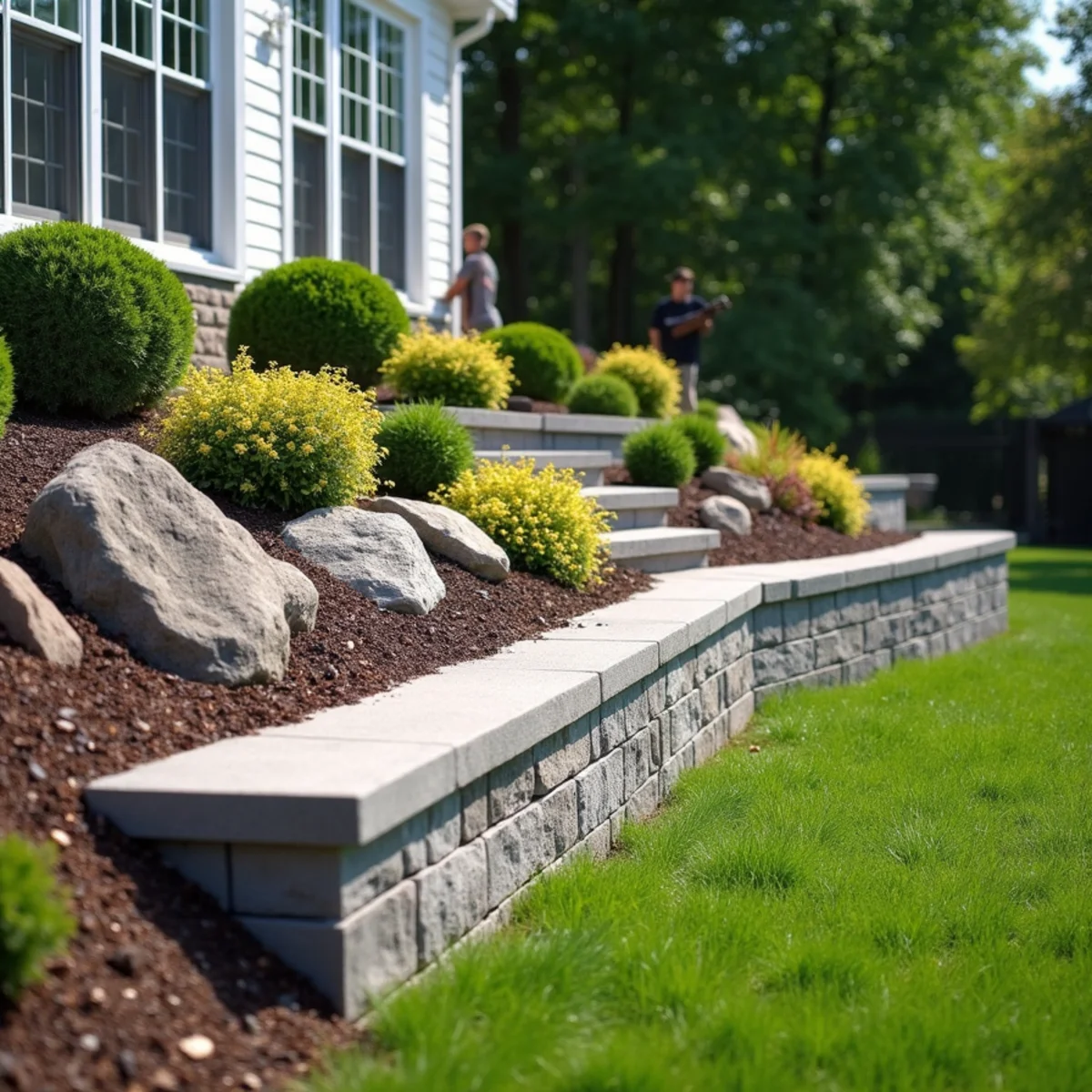
Engineered interlocking block is the most common choice for good reason — it's versatile, predictable, and cost-effective.
- Best for: most residential walls, terraces, and curved layouts.
- Pros: wide range of colors and textures, consistent sizing that builds fast and clean, built-in interlock and the option to add geogrid reinforcement for taller walls, and a friendly middle-of-the-road price.
- Tradeoffs: it reads as manufactured rather than natural, though modern tumbled and textured blocks look far better than the plain gray block of years past.
For the majority of yards, block delivers the best balance of strength, looks, and cost.
Natural stone
Cut or stacked natural stone is the premium, custom end — a wall that looks like it grew out of the landscape.
- Best for: homeowners who want a high-end, one-of-a-kind look and have the budget for it.
- Pros: unmatched natural character, no two walls alike, and timeless curb appeal that photographs and sells well.
- Tradeoffs: the highest material and labor cost of the three — stone is heavy, irregular, and slower to set by skilled hands — which is exactly what drives both the look and the price.
If the wall is a focal point and budget allows, natural stone is hard to beat.
Boulders
Large natural boulders set into the slope make a rugged, informal wall that suits naturalistic yards and bigger grades.
- Best for: larger slopes, rural or naturalistic settings, and anyone after a bold, organic look.
- Pros: very durable, striking on a big grade, and often surprisingly economical for the height gained since it's fewer, larger units.
- Tradeoffs: it needs the room and the right setting to look right — a boulder wall on a small, formal suburban lot can feel out of place — and placement takes equipment and real skill to set stable.
On the right property, a boulder wall is both the toughest and the most characterful option.
The part that matters more than the material: drainage and base
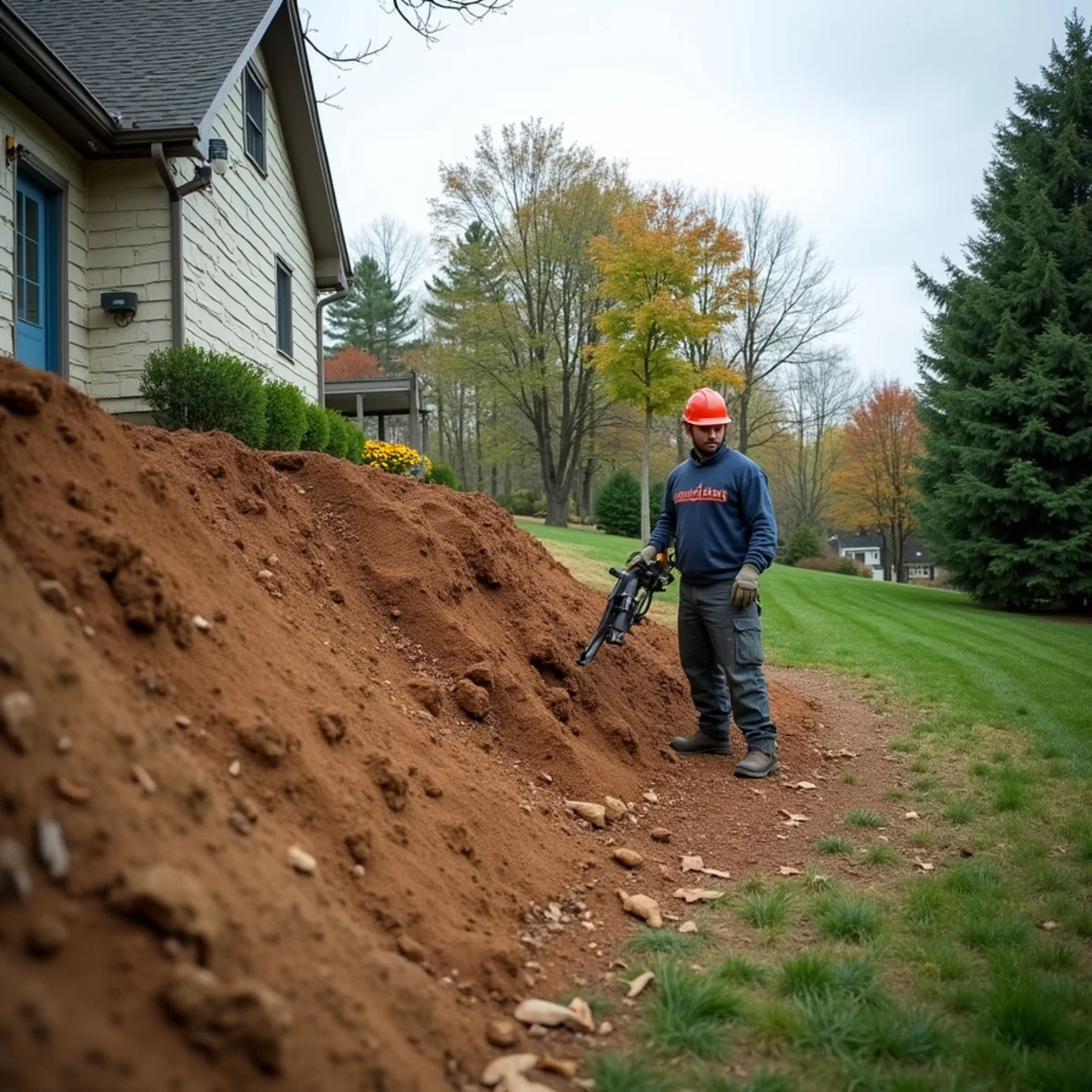
Here's what most "which material" articles skip. Whatever face you choose, a retaining wall holds back soil and the water in it — and water is heavy. On Northwest Indiana clay, water saturates the soil behind the wall, and freeze-thaw winters expand it and shove against the structure. A wall built without gravel backfill, a drainage pipe, and a proper compacted base builds up pressure until it bulges, leans, and fails — no matter how beautiful the stone.
That's why we build every retaining wall with the drainage engineered in behind the face, and why a suspiciously cheap bid almost always skipped it. The material you see is a style choice; the drainage you don't see is what determines whether the wall is standing straight in fifteen years. (For how these choices move the price, see our retaining wall cost guide.)
Ready to choose the right wall for your yard?
Block, natural stone, or boulder — the best material depends on your slope, your setting, and your budget, and the drainage behind it is what makes any of them last. Rome and the crew will walk the slope with you in Crown Point, Schererville, or anywhere in Lake County and recommend the material and build that fits. Reach out through our contact page for a free on-site estimate.
Frequently asked questions
What's the most cost-effective retaining wall material?
Segmental concrete block usually offers the best balance of cost, strength, and looks for a typical residential wall. Boulders can be economical for the height gained on larger slopes. Natural stone is the premium option and costs the most. The right choice depends on the wall's size, the setting, and your budget — but on any of them, skimping on drainage costs the most in the end.
Which retaining wall material lasts longest?
All three last for decades when built correctly — the material matters far less to longevity than the base and drainage behind the wall. A natural stone or boulder wall built without drainage will fail sooner than a block wall built right. Build quality, not material, decides lifespan.
Can you match a retaining wall to my patio or home?
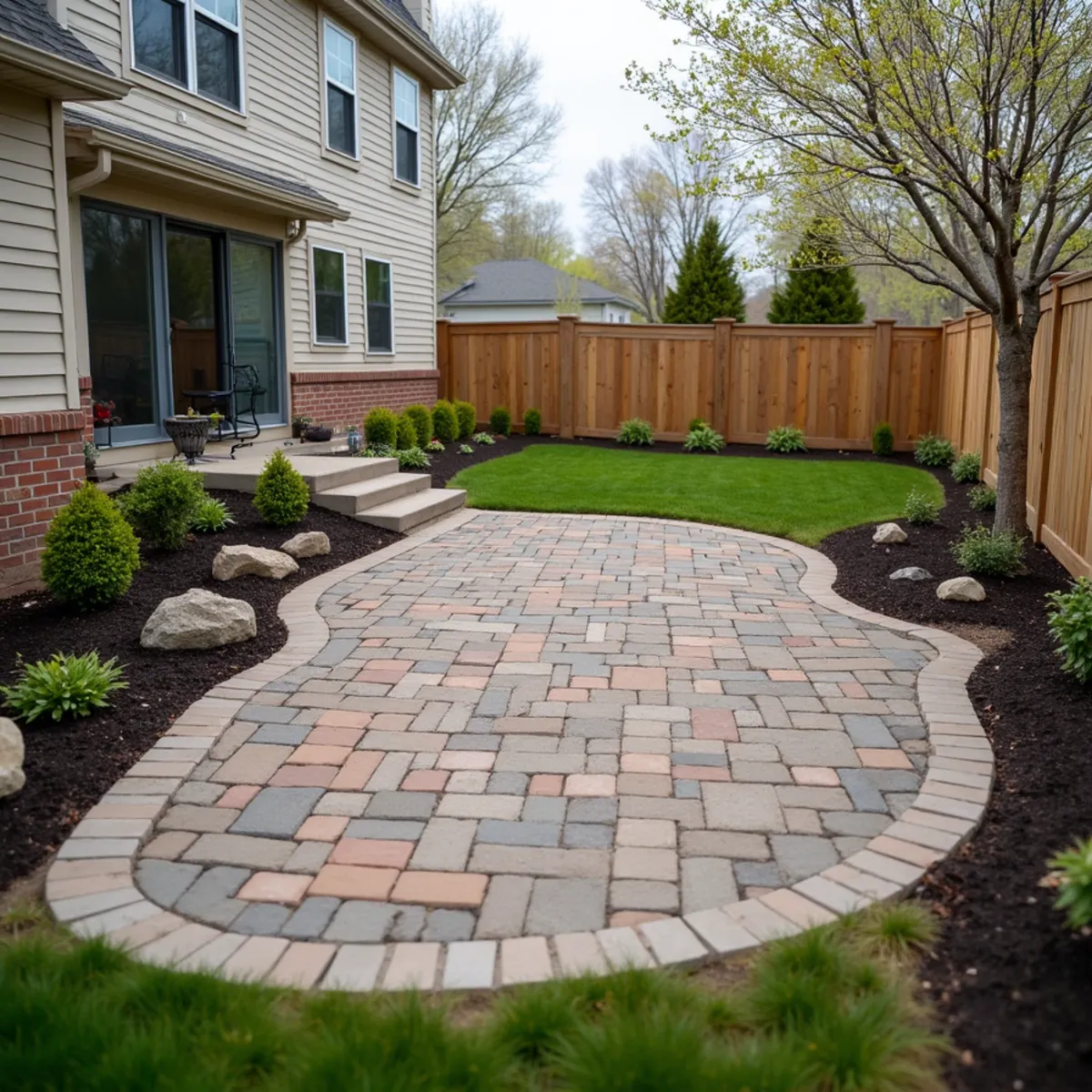
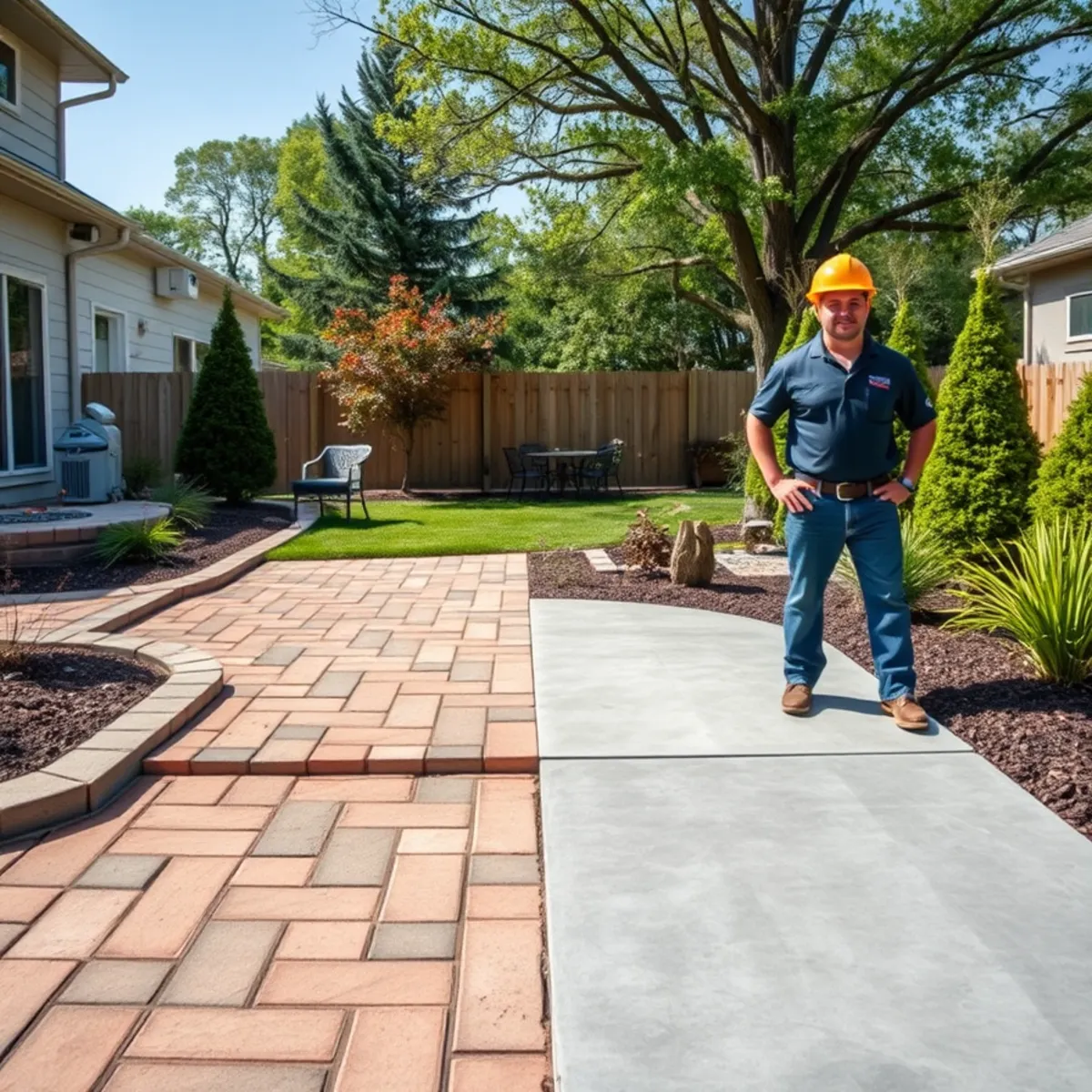
Usually, yes. Block comes in many colors and textures that can complement a paver patio or your home's exterior, and natural stone and boulders can be chosen to suit the setting. We help match the material and color to what's already there at the design stage.
Do all retaining walls need drainage?
Any wall holding back real soil does. Without gravel backfill, a drain pipe, and a proper base, water builds up behind the wall, freezes and expands in winter, and pushes it until it leans or fails. Drainage built into the wall is non-negotiable here, regardless of the material on the face.
Need help with retaining walls?
The crew behind this guide handles retaining walls across Hobart and Northwest Indiana. Get a free, no-pressure on-site estimate.