You likely need a retaining wall if part of your yard is eroding downhill, a slope is too steep to mow or use, water runs toward your house, or the ground is pulling away from a patio, driveway, or foundation. A wall turns a slope you fight into usable, stable ground — but only when it's built with the drainage and footing our clay demands.
Not every slope needs a retaining wall, and not every retaining wall is really holding anything back. So before you spend on one, it's worth understanding what the job actually does, the signs that point to needing one, and what separates a wall that lasts from one that leans. Here's how to think it through for a Northwest Indiana property.
What a retaining wall actually does
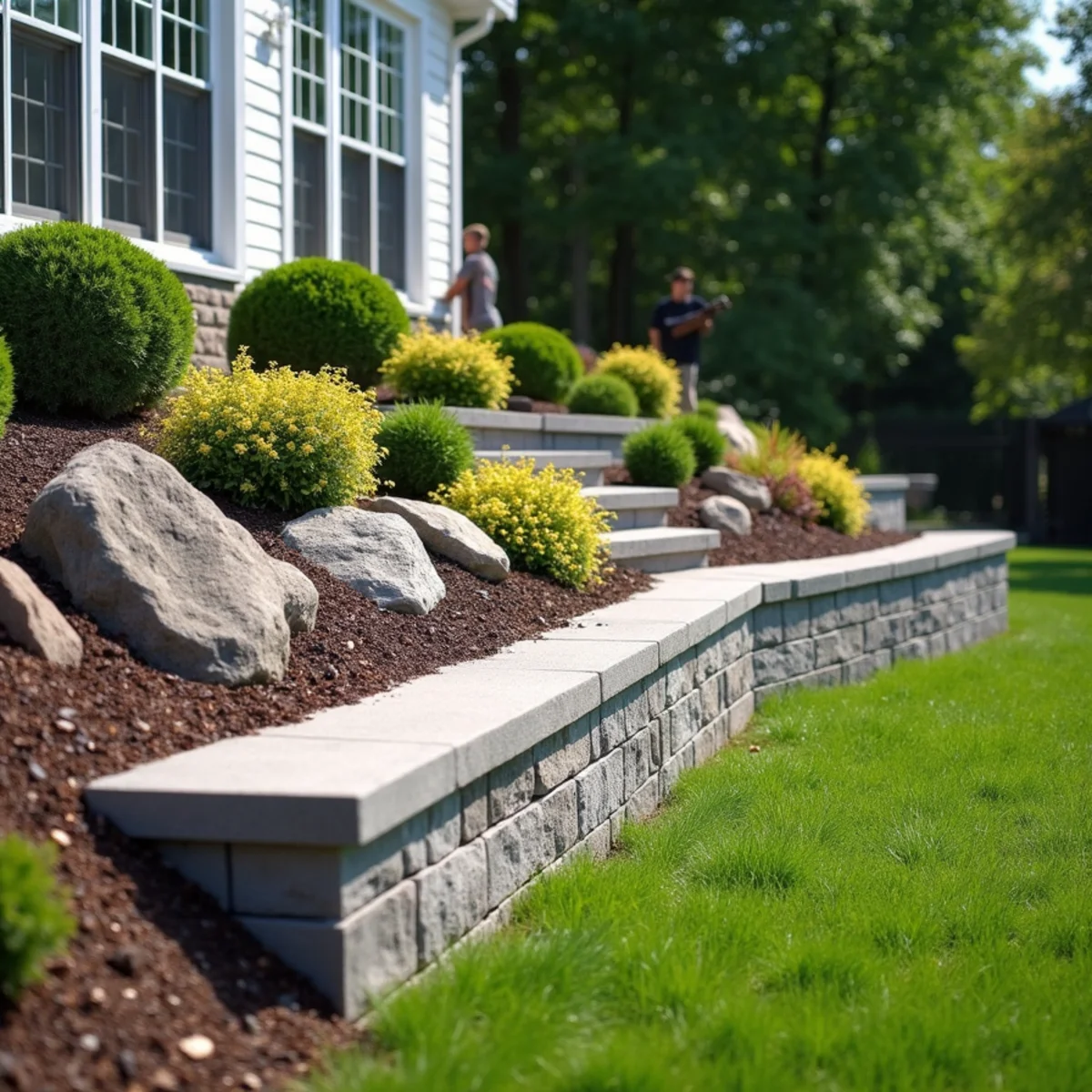
A true retaining wall holds back soil and manages water on a grade — it keeps a hillside from sliding, levels a terrace you can use, and routes runoff where you want it instead of where gravity takes it. (A short decorative garden edge that isn't holding a real load is a different, lighter thing.) The taller the wall and the more earth and water behind it, the more serious the engineering, the footing, and especially the drainage become.
Signs you need one
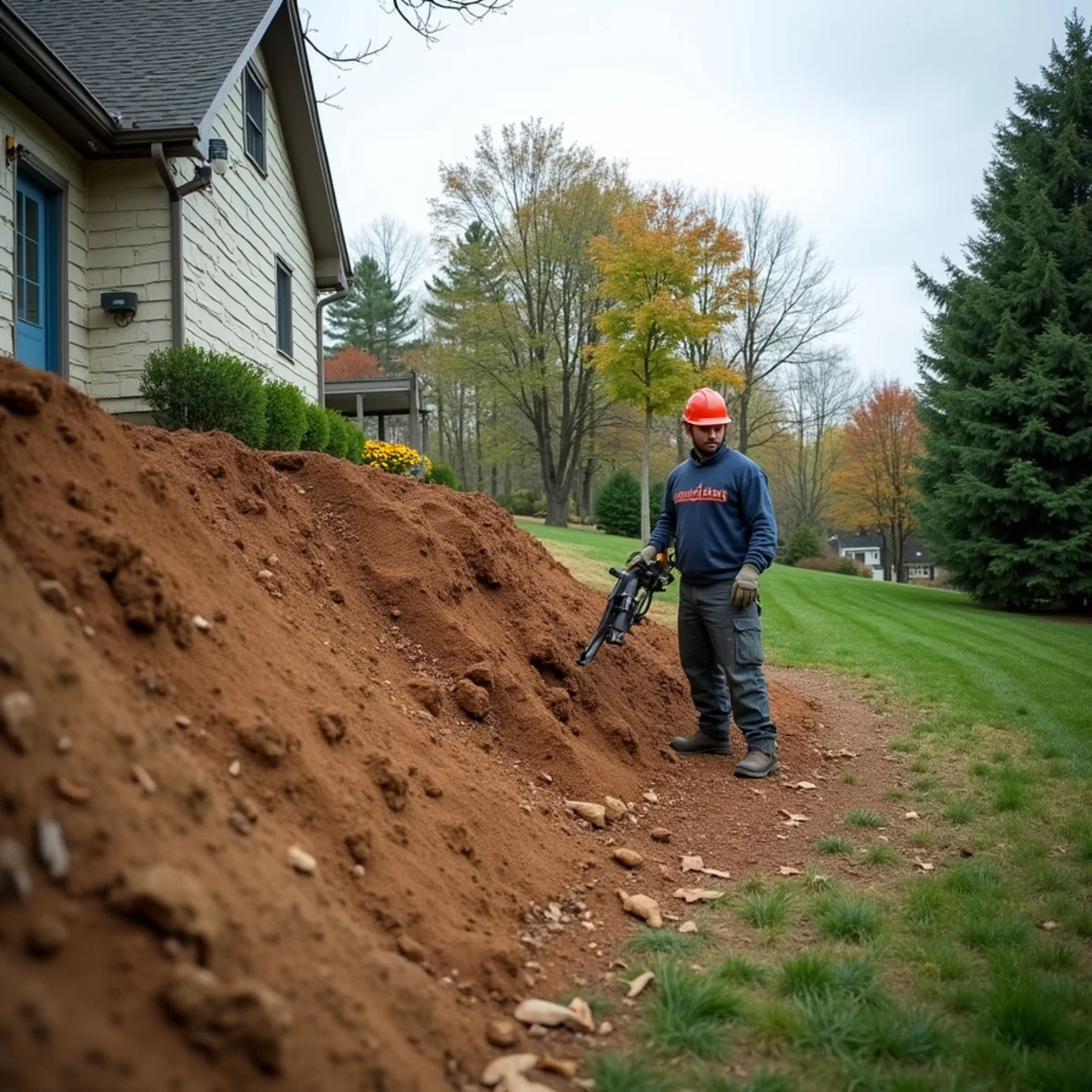
- Erosion. Soil, mulch, or grass washing downhill after storms, or bare channels cutting across a slope.
- An unusable slope. A grade too steep to mow safely, plant, or set foot on — a wall can carve out flat, usable space.
- Water heading for the house. Ground that slopes toward the foundation, with a damp or wet basement to match.
- A failing older wall. Bulging, leaning, cracking, or separating blocks — a wall that's losing the fight with the soil behind it.
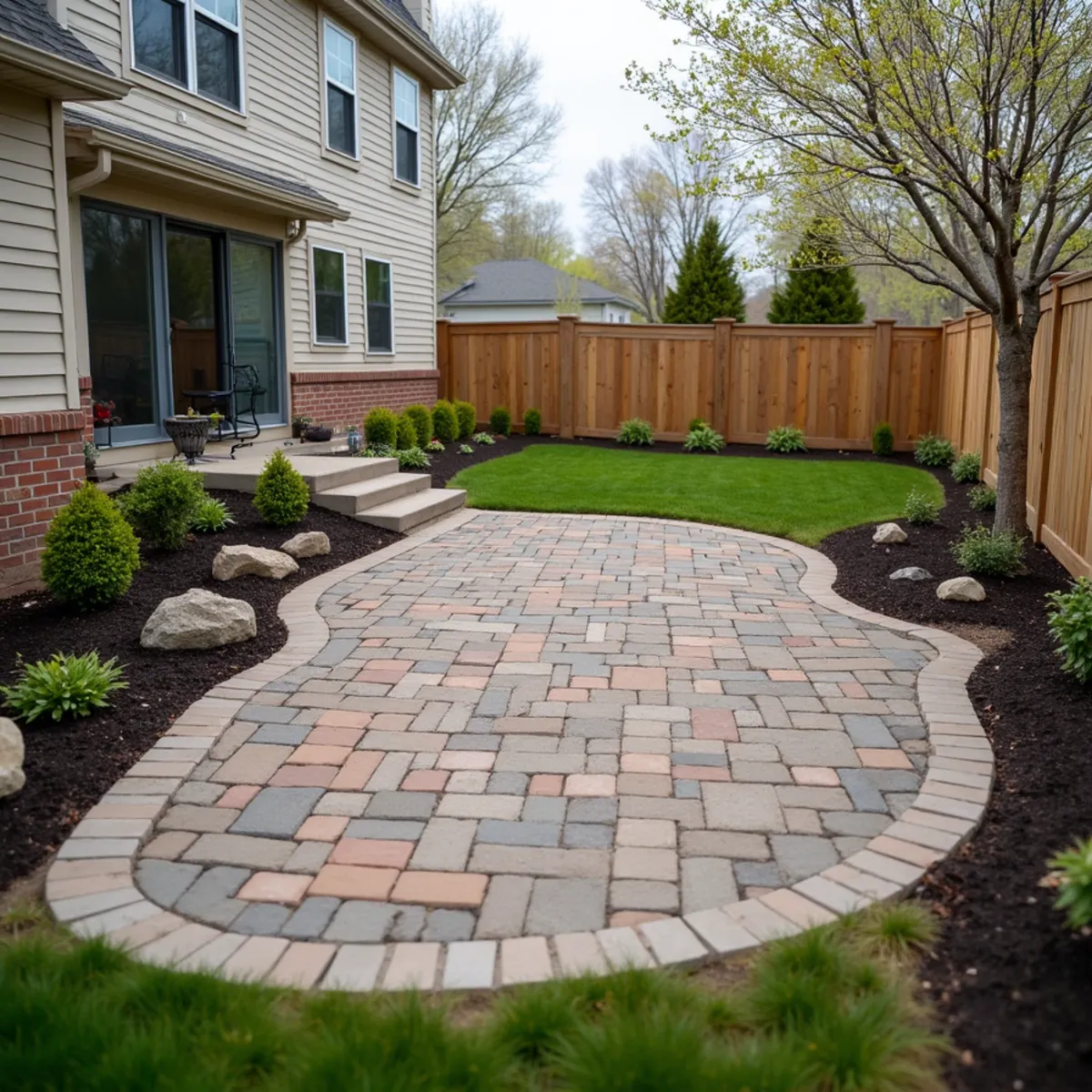
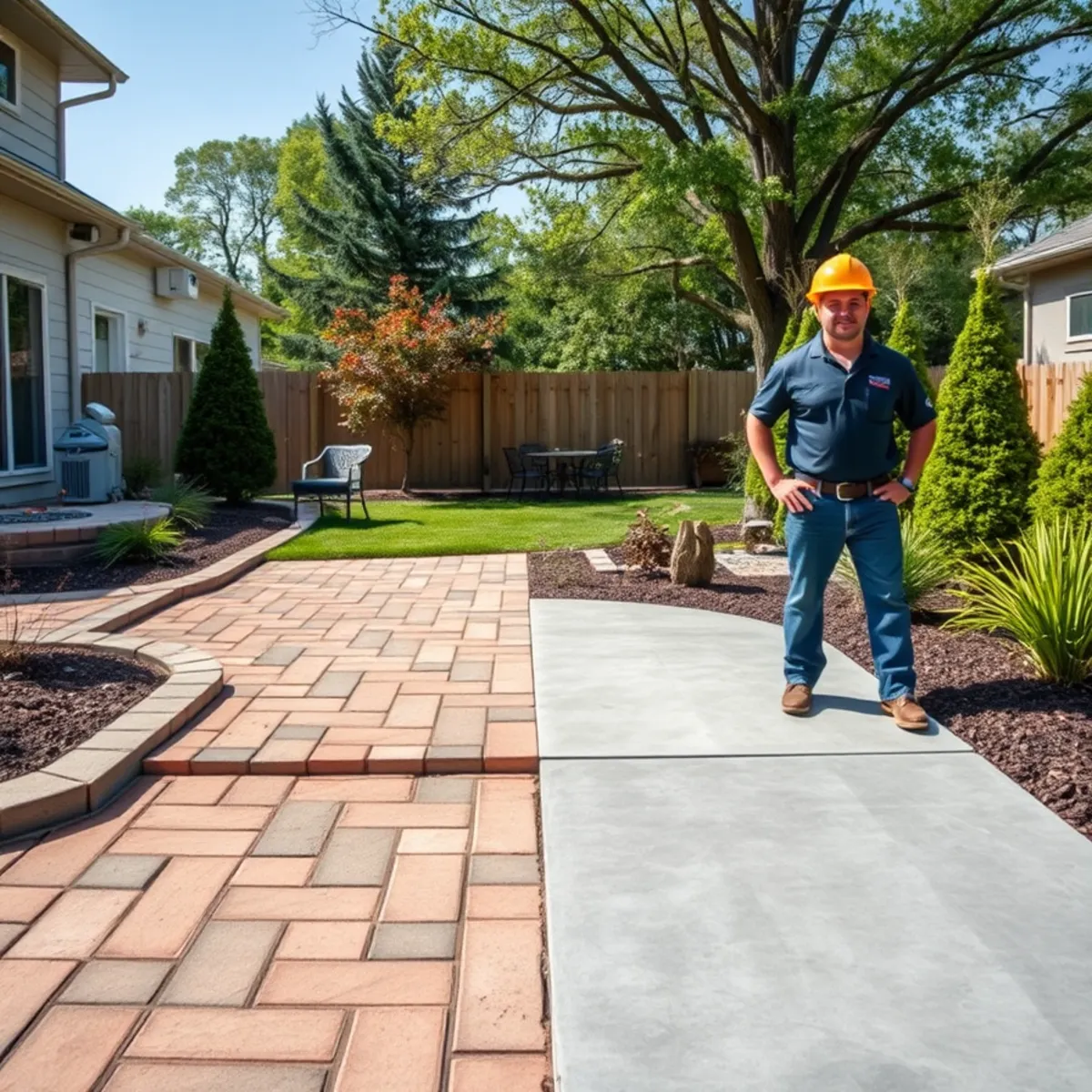
- Settling near hardscape. Ground pulling away from a patio, driveway, or walkway, or those surfaces starting to tilt toward a slope.
- Wasted yard. A banked, awkward lot where a terrace or two would turn dead space into garden beds or a level sitting area.
If a few of those sound like your yard, a wall is worth pricing.
Why drainage makes or breaks a wall
Here's the part that most wall failures trace back to. A retaining wall doesn't just hold soil — it holds back water-logged soil, and water is heavy. In Northwest Indiana, our dense clay holds water near the surface, and freeze-thaw winters expand that trapped water and shove against the wall. A wall built without proper drainage behind it — gravel backfill, drainage pipe, and the right base — builds up pressure until it bulges, leans, and eventually fails.
That's why we build retaining walls with the drainage engineered in from the start, and why we often pair wall work with broader drainage and grading so the water has a planned path off the property. A wall that can't shed water isn't a wall; it's a future repair.
What drives whether it's worth it
- Height. Low walls are straightforward; taller walls need engineered design, deeper footings, and sometimes reinforcement — which is both a safety issue and a cost one.
- What it's protecting. A wall saving your foundation or a driveway from a sliding slope pays for itself. One purely for looks is a lifestyle call.
- Material. Segmental block, natural stone, and boulder walls each carry a different look and price — our retaining wall cost guide breaks down the options.
- Usable space gained. On a steep lot, the flat, usable yard a terrace creates is often the real return.
When you might not need a full wall
Sometimes the better fix is regrading, a dry creek bed or French drain, or a planted slope with deep-rooted natives that hold the soil. If the issue is really water or mild erosion rather than a failing grade, we'll say so — a wall is the right tool for holding earth, not the answer to every slope. The on-site estimate is where we figure out which problem you actually have.
Ready to tackle that slope?
If part of your yard is eroding, sliding, or just unusable, a retaining wall built with real drainage can turn it into stable, usable ground. Rome and the crew will walk the slope with you — in Crown Point, Schererville, or anywhere in Lake County — and tell you honestly whether a wall, regrading, or drainage is the right call. Reach out through our contact page for a free on-site estimate.
Frequently asked questions
How do I know if my slope needs a retaining wall or just regrading?
It comes down to how much earth is moving and how steep the grade is. A steep slope that's actively eroding, sliding, or too sharp to use usually needs a wall to hold it. A mild slope with a drainage or pooling problem may just need regrading or a drainage fix. We assess which one your yard has at the estimate instead of defaulting to the bigger job.
Why do retaining walls lean or bulge over time?
Almost always water pressure. Without gravel backfill, a drainage pipe, and a proper base, water saturates the soil behind the wall, freezes and expands in winter, and pushes the wall forward until it bulges or fails. Drainage built into the wall is what prevents it.
Can you repair a leaning or failing wall instead of replacing it?
Sometimes, depending on how far it's gone and whether the base and drainage can be corrected. A wall that's bulging badly or built without drainage often needs rebuilding to be safe and lasting, but we'll give you an honest read at the estimate rather than patching something that will fail again.
Do retaining walls help with drainage?
A properly built one does — it's designed to manage the water in the soil it holds, and it can be tied into a broader drainage plan to route runoff off your property. A wall built without drainage does the opposite, trapping water until it fails.
Need help with retaining walls?
The crew behind this guide handles retaining walls across Hobart and Northwest Indiana. Get a free, no-pressure on-site estimate.