To prepare an Indiana lawn for winter, drop your mowing height gradually to about 2.5 to 3 inches, clear or mulch heavy leaves off the turf, put down a fall fertilization before the ground freezes, blow out irrigation lines, and water your evergreens deeply. Do this fall work in October and November for a strong spring.
Winter in Northwest Indiana doesn't wait for you to be ready. One week you're mowing, the next there's frost on the windshield and lake-effect snow rolling in off Lake Michigan. What you do to your lawn and landscape in October and November decides how green things come back in April. A little fall work now saves you from bare patches, heaved pavers, and cracked plants next spring. Here's how we put a Region property to bed for the cold.
Drop the mowing height gradually — don't scalp it
The last thing your cool-season grass wants is a buzz cut before winter. Tall fescue and Kentucky bluegrass — the grasses that actually survive our clay and our winters — do best going into dormancy a little on the shorter side, but you get there in steps.
- Through summer, keep the deck around 3.5 to 4 inches so roots stay shaded and cool.
- Starting in September, lower it a notch each mow until your final cut of the year lands near 2.5 to 3 inches.
- Never take off more than a third of the blade at once, even on that last pass.
A final height in that range keeps the crown protected but stops long, matted grass from trapping moisture and inviting snow mold under the snowpack. Scalp it to the dirt and you expose the crown to freeze-thaw damage. Leave it shaggy and you're growing a petri dish.
Have a plan for the leaves
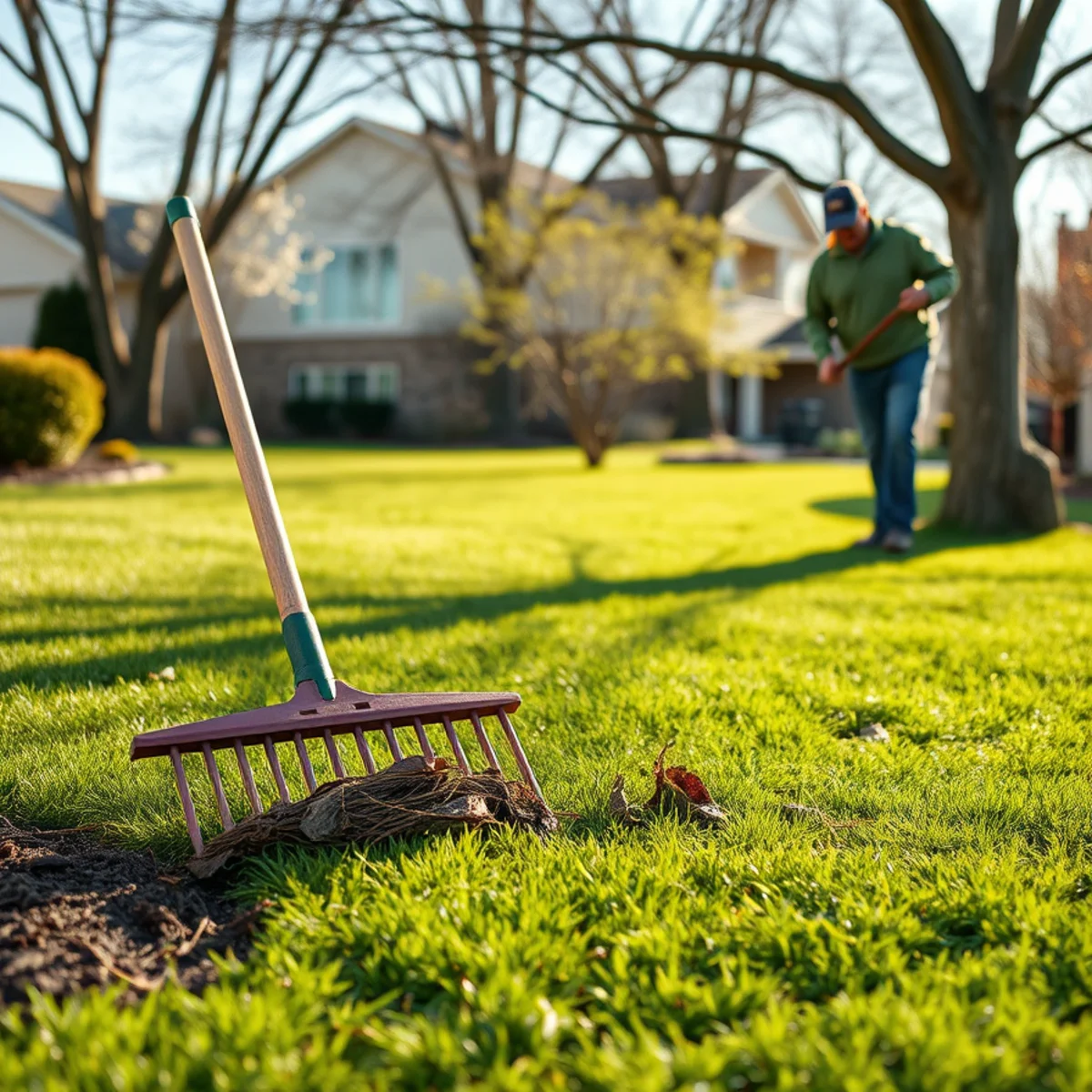
We get a heavy leaf drop across The Region, especially on older streets in Hobart and the wooded lots out toward Valparaiso. A thick, wet mat of leaves left on the lawn will smother and kill the grass beneath it before spring — clay soil already holds water, and rotting leaves make it worse.
You've got two good options, and both beat raking everything to the curb:
- Mulch them in. If the layer is light, run the mower over dry leaves to chop them into dime-sized bits. Those pieces break down over winter and feed the soil. This is the easiest free fertilizer you'll ever get.
- Clear the heavy stuff. Once leaves pile up faster than you can mulch, they need to come off the turf and out of the beds. Wet leaf mats over grass are a spring dead-zone waiting to happen.
Either way, keep leaves out of downspout splash zones and off any drainage swales. A clogged drainage path in November becomes an ice sheet in January.
Feed the roots with a fall fertilization
If you fertilize your lawn once a year, do it in fall. This is the single highest-value thing you can do for cool-season turf. The grass blades slow down, but the roots keep working in the soil until it freezes hard, and a well-timed application drives that energy underground where it builds a deeper, tougher root system for next year.
Timing and rate matter more than the bag you grab off the shelf, and our heavy clay changes the math. Too much, too late, and you push tender growth that winterkills. Our lawn fertilization and weed control program is built around the NWI calendar, so the feeding lands when the roots can actually use it. If you want to know what your soil is genuinely short on, a soil test through Purdue Extension takes the guesswork out — clay in one Hobart yard can read very differently from a lot two blocks over.
Protect hardscapes and plants from freeze-thaw
Our winters don't just get cold — they swing. It freezes hard, thaws in a January warm spell, then freezes again. That freeze-thaw cycle is what tears up patios, walls, and root balls across the Region.
- Blow out and cap irrigation so nothing holds water and splits.
- Pull garden hoses off spigots and drain them. A hose left on can crack the pipe behind the wall.
- Skip the de-icing salt on pavers and concrete where you can. Salt chews up the surface and kills the grass and beds along the edges. Sand or a paver-safe product is gentler.
- Water evergreens deeply before the ground freezes. Arborvitae, boxwood, and spruce keep losing moisture through winter wind. A well-watered plant going into freeze-up handles the dry lake-effect wind far better.
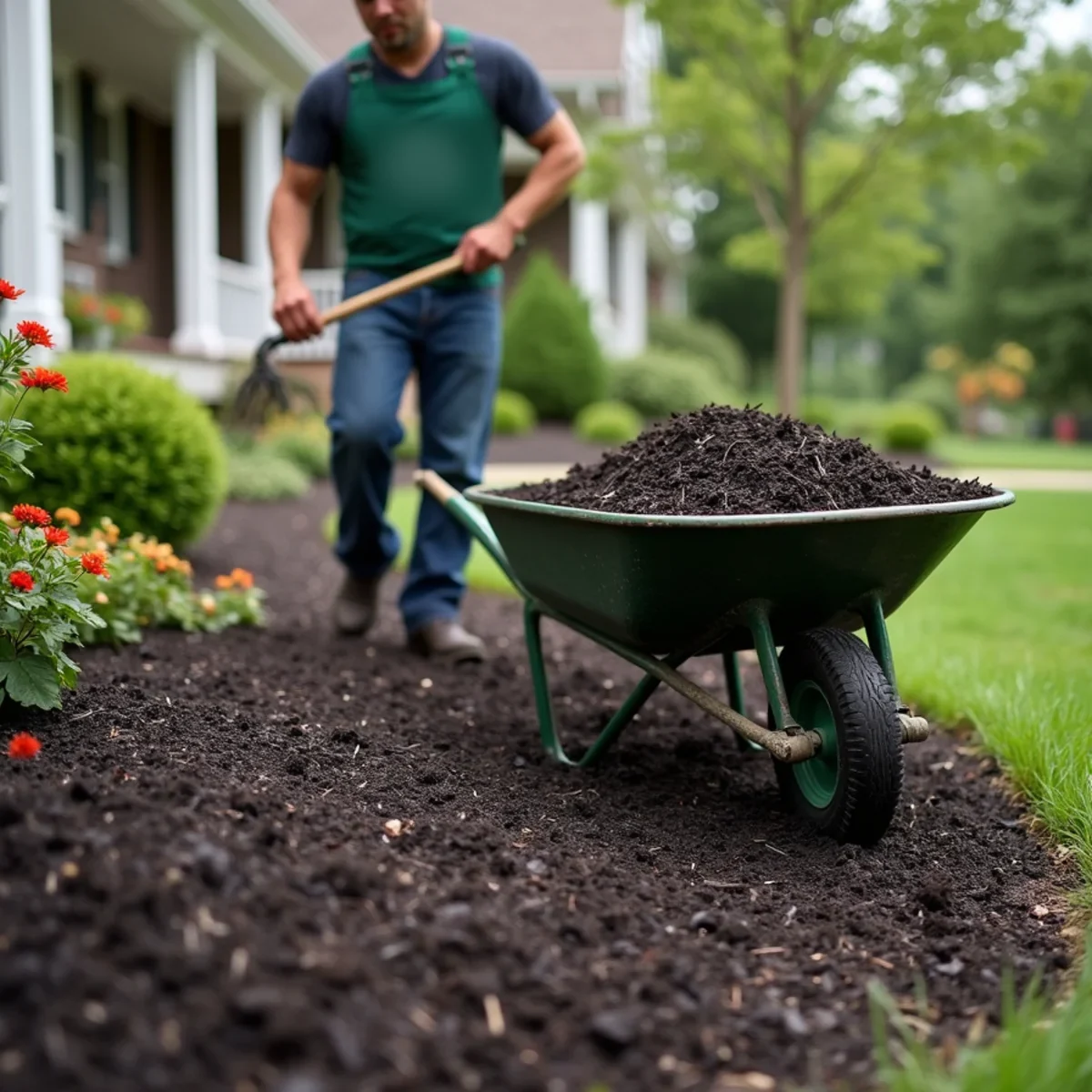
- Mulch tender perennials and new plantings with a few inches of shredded bark after the ground chills. The goal isn't warmth — it's keeping the soil temperature steady so freeze-thaw doesn't heave young roots out of the ground.
If a fence gate is sagging, a downspout extension is broken, or deck stairs are loose heading into the season, that's worth handling before snow hides it. Our handyman and property repair services cover the odd jobs that get ten times harder to fix once everything's frozen and buried.
Line up snow removal before the first storm
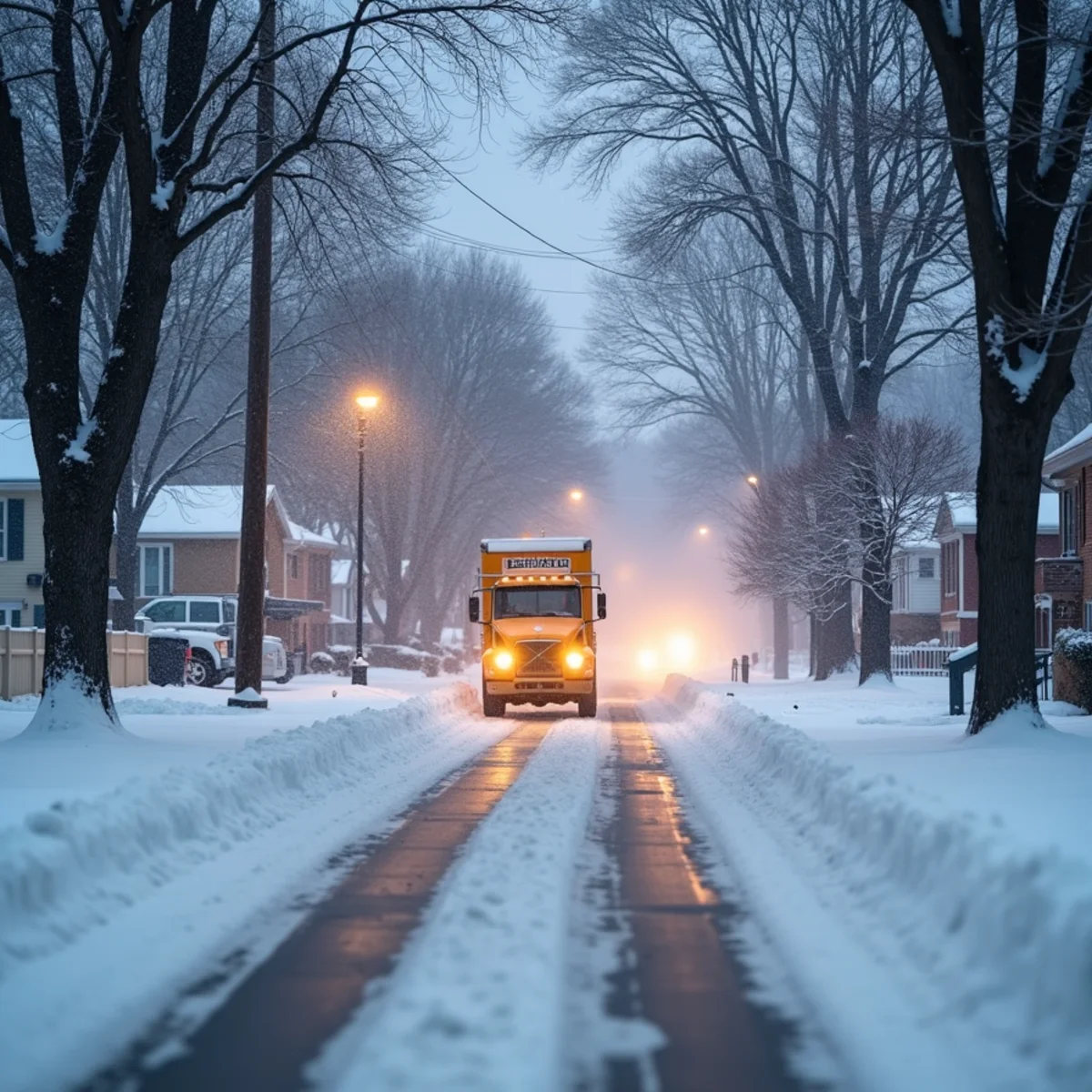
The worst time to look for a plow guy is the morning after eight inches falls. Lake-effect bands can dump snow on Hobart and Portage while a town twenty minutes inland stays clear, and everybody scrambles at once. Setting up a seasonal plan now means your driveway and walks are cleared before you leave for work, not after you're already stuck.
Our snow removal and plowing service keeps homes and small commercial lots open through the Region winter, and a standing arrangement puts you on the route before the season's first squall. We serve homeowners from our home base in Hobart out through Porter County towns like Valparaiso, so wherever the snow bands set up, you're covered.
From the field
The mistake we fix most often isn't a skipped step — it's timing. Homeowners fertilize in late November after the lawn's already gone dormant and the ground's crusting over, then wonder why it did nothing. On our routes we watch soil temperature, not the calendar. Once the ground's hovering near freezing, that bag of fertilizer just sits on top and washes off with the first melt.
The other thing our crews see every spring is heaved pavers and split spigots that a ten-minute fall job would have prevented. A garden hose left screwed onto an outdoor faucet is the number-one cause of a burst pipe behind the siding — the water can't drain, it freezes in the valve, and it splits the line where you can't see it. Pull every hose before the first hard freeze.
And watch your downspout splash zones. On Hobart clay, water that pools at the end of a downspout in November is a solid ice pad by January, right where you walk to the car. We always run the discharge well out onto the lawn before winter, not into the same low corner that already stays wet.
Ready to close out the season right?
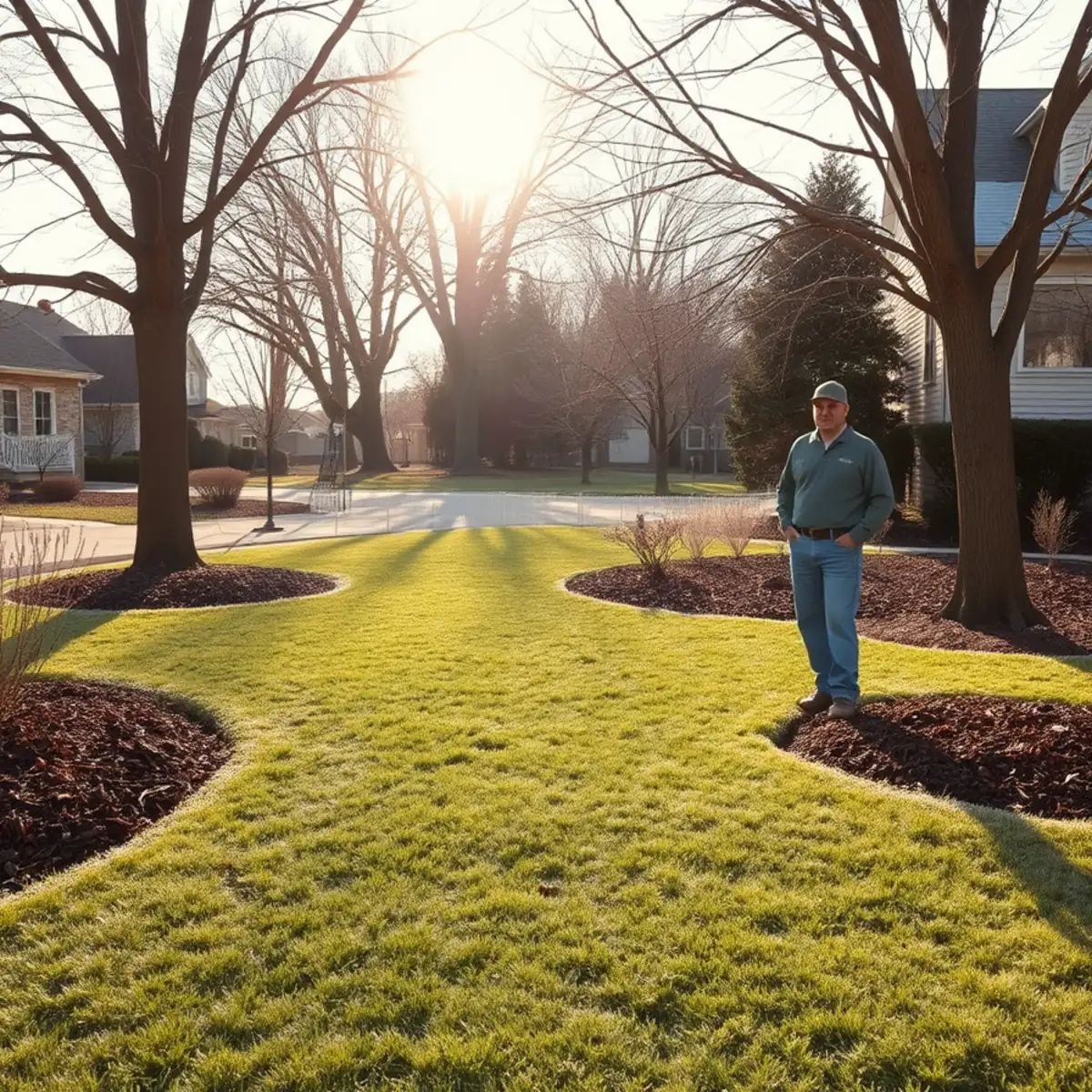
Fall is quiet, quick work compared to fixing winterkill and heaved hardscapes in the spring. Let Rome's crew handle the final mows, the leaf cleanup, the fall feeding, and a snow plan that has you covered before the first squall. Reach out through our contact page for a free on-site estimate, and we'll walk your property, flag what needs doing before freeze-up, and get you set for a strong spring.
Frequently asked questions
What height should I cut my grass for the last mow of the year?
Aim for about 2.5 to 3 inches on your final cut. That's short enough to prevent matting and snow mold under the snow, but tall enough to protect the crown from the freeze-thaw beating our winters hand out. Lower it gradually over your last few mows rather than scalping it all at once.
Is it too late to fertilize if it's already November?
It depends on the weather. As long as the ground hasn't frozen solid and the grass is still green, a fall feeding can still reach the roots. Once the soil is frozen, hold off — surface fertilizer just runs off with the snowmelt and does more harm than good.
Do I really need to clear every leaf off the lawn?
Not every leaf, but you can't leave thick wet mats sitting on the turf all winter. A light scatter you can mulch back in with the mower. Anything that piles up and stays wet needs to come off before it smothers the grass underneath.
Need help with fertilization & weed control?
The crew behind this guide handles lawn fertilization & weed control across Hobart and Northwest Indiana. Get a free, no-pressure on-site estimate.