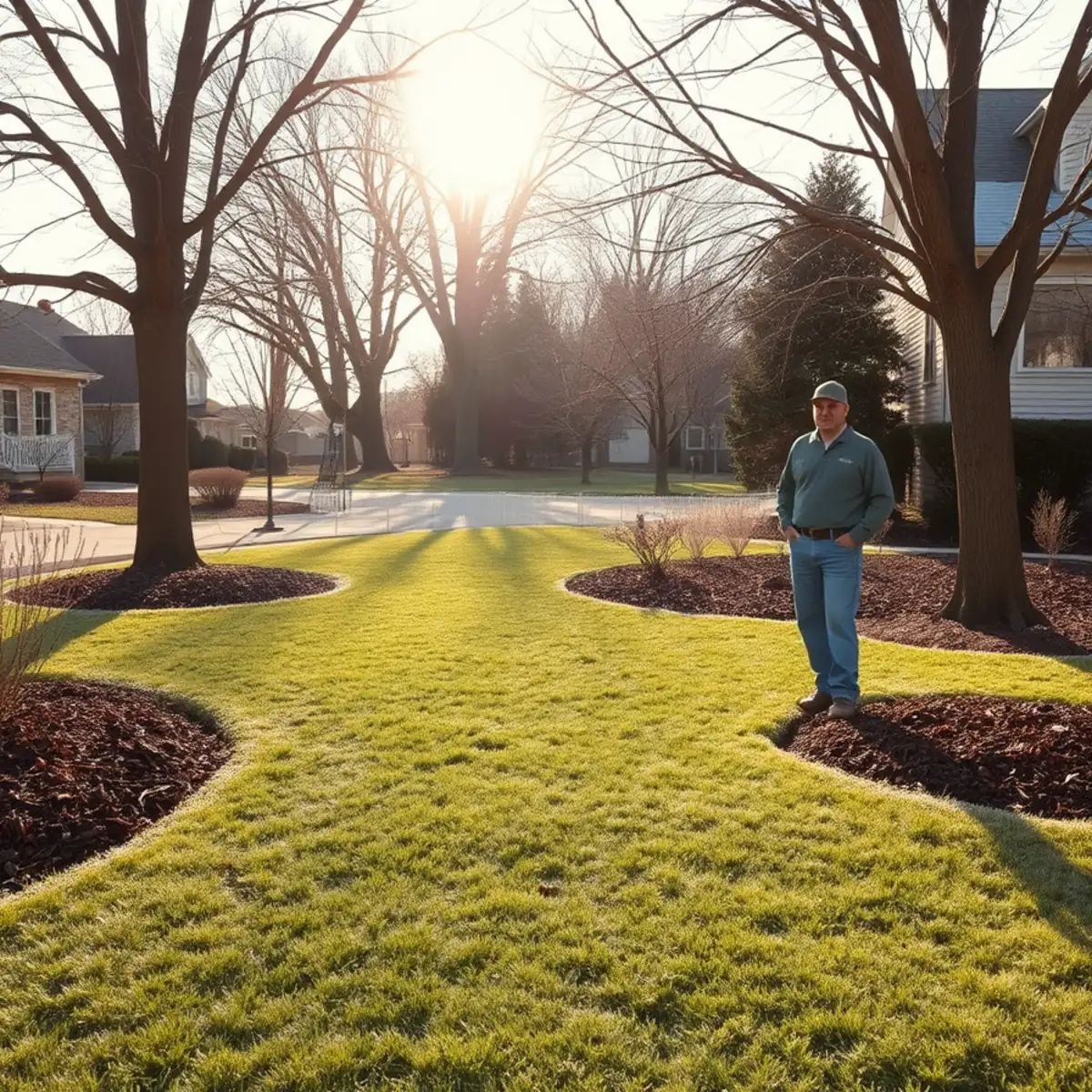
For a Northwest Indiana lawn, work through spring in order: rake and pull a soil test in late March, lay pre-emergent in mid-April when the forsythia bloom, make the first high mow at 3 inches by late April, then feed and mulch into May. Timing beats effort every time.
Spring in Northwest Indiana is a stop-and-go affair. One week it's 60 and sunny, the next we get a wet snow off the lake. That back-and-forth is exactly why timing matters more than effort when you're waking up a Hobart lawn. Do the right jobs in the right order, and your grass greens up thick and crowds out weeds on its own. Rush it — mow too early, drop pre-emergent too late — and you fight the same battles all summer. Here's the month-by-month checklist Rome's crew actually follows across The Region.
Late March: read the ground before you touch it
The first rule of spring cleanup is patience. Our clay soil holds cold and water long after the air warms up, and walking or raking a soggy lawn compacts it and tears crowns loose. Wait until the surface is firm underfoot.
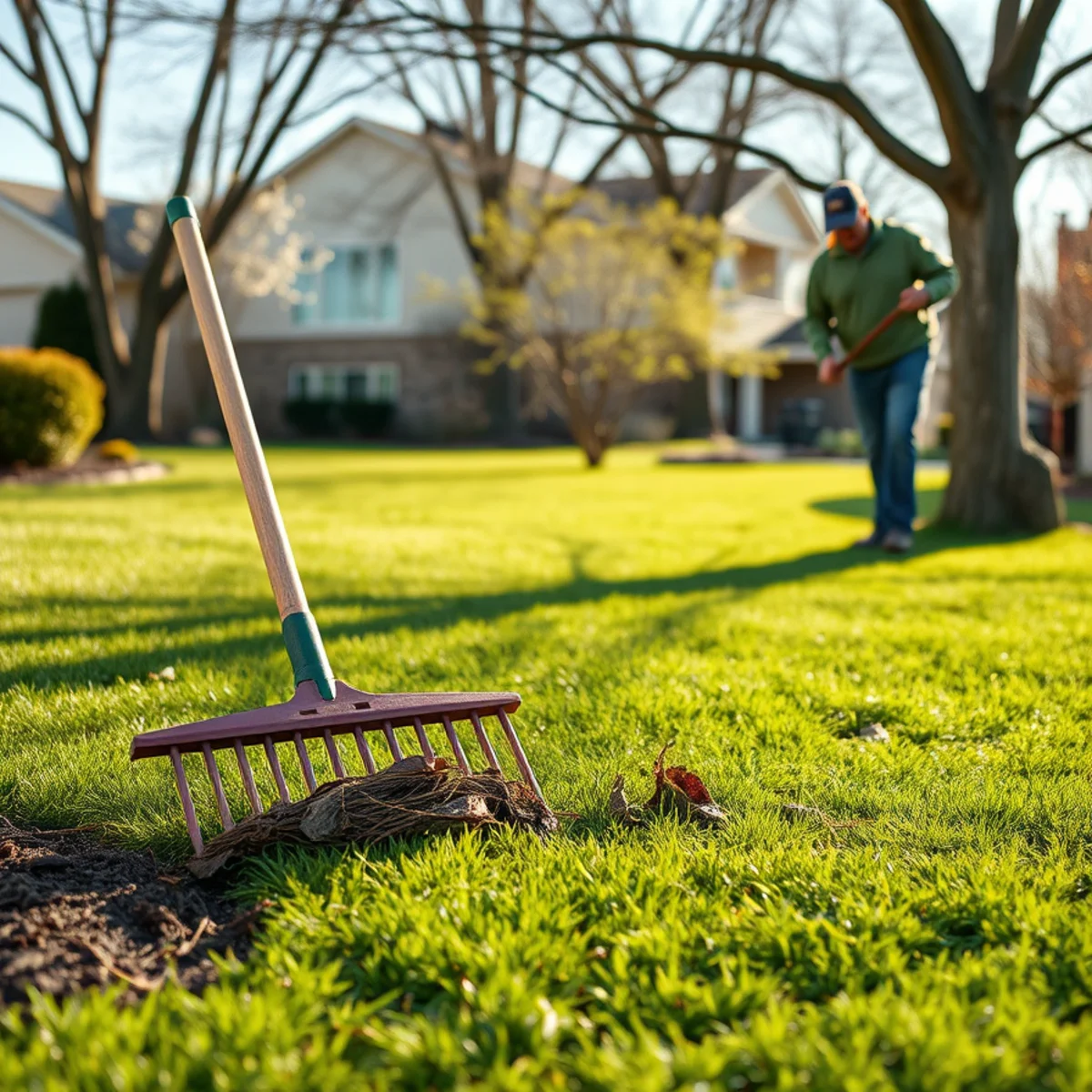
When it's dry enough, do a gentle cleanup:
- Rake up leaves, fallen sticks, and any matted-down grass from winter.
- Pick up road grit and salt spray along driveways and walks, especially on lots near busy Hobart streets.
- Look for snow mold — those gray or pink matted patches. A light raking to fluff the grass and improve airflow usually clears it.
Late March is also the smartest time to pull a soil test. You'll get results back before the growing season commits you to anything. A test tells you your pH and what nutrients the clay is short on, so you're not guessing. Purdue Extension runs affordable soil testing for Indiana homeowners, and it's the cheapest money you'll spend on your yard all year.
Early to mid April: pre-emergent is a timing game
This is the single most important window of the spring, and most people miss it. Crabgrass and other summer weeds germinate when soil temperatures hold around 50 to 55°F a few inches down. Miss that window and no product will stop the seeds that have already sprouted.
You don't need a soil thermometer to nail it. The old landscaper's trick still works: put down pre-emergent when the forsythia bushes are in full bloom and just before the lilacs open. In Hobart that usually lands in mid-April, though a warm lake-effect spring can pull it earlier.
Two things to keep in mind:
- Don't apply pre-emergent if you plan to seed. It blocks grass seed from germinating too. If your lawn is thin and needs seeding, skip the pre-emergent this spring and plan to overseed in fall instead.
- Water it in. Most pre-emergents need a light watering or a rain within a couple days to activate.
If crabgrass and broadleaf weeds like dandelion and clover already have a foothold from last year, a properly timed program makes the difference. Our lawn fertilization and weed control service is built around these Northwest Indiana timing windows so the product does its job.
Mid to late April: the first mow
Resist the urge to mow the first warm Saturday. Wait until the grass is actively growing and reaches about 3 inches. For that first cut:
- Mow high — set the deck around 3 to 3.5 inches. Taller grass shades the soil, keeps it cooler, and smothers weed seeds before they establish.
- Sharpen the blade first. A dull blade shreds the tips brown instead of cutting clean, which stresses grass that's already coming out of dormancy.
- Never take off more than a third of the blade height in one pass. Scalping a spring lawn invites weeds and disease.
Bagging the first mow or two helps clear the last of the winter debris. After that, mulching your clippings back into the lawn feeds it for free. Keeping a lawn on the right cutting rhythm all season is half the battle — if weekends are already full, a steady professional mowing and edging schedule keeps the height right when it matters most.
Late April into May: feed, mulch, and set up summer
Once the grass is growing steadily and you've had a couple mows, it's time to feed. A balanced spring fertilizer built on your soil-test results pushes healthy top growth and root development ahead of the summer heat. Don't overdo the nitrogen — a big spring surge grows blades faster than roots and leaves the lawn thirsty in July.
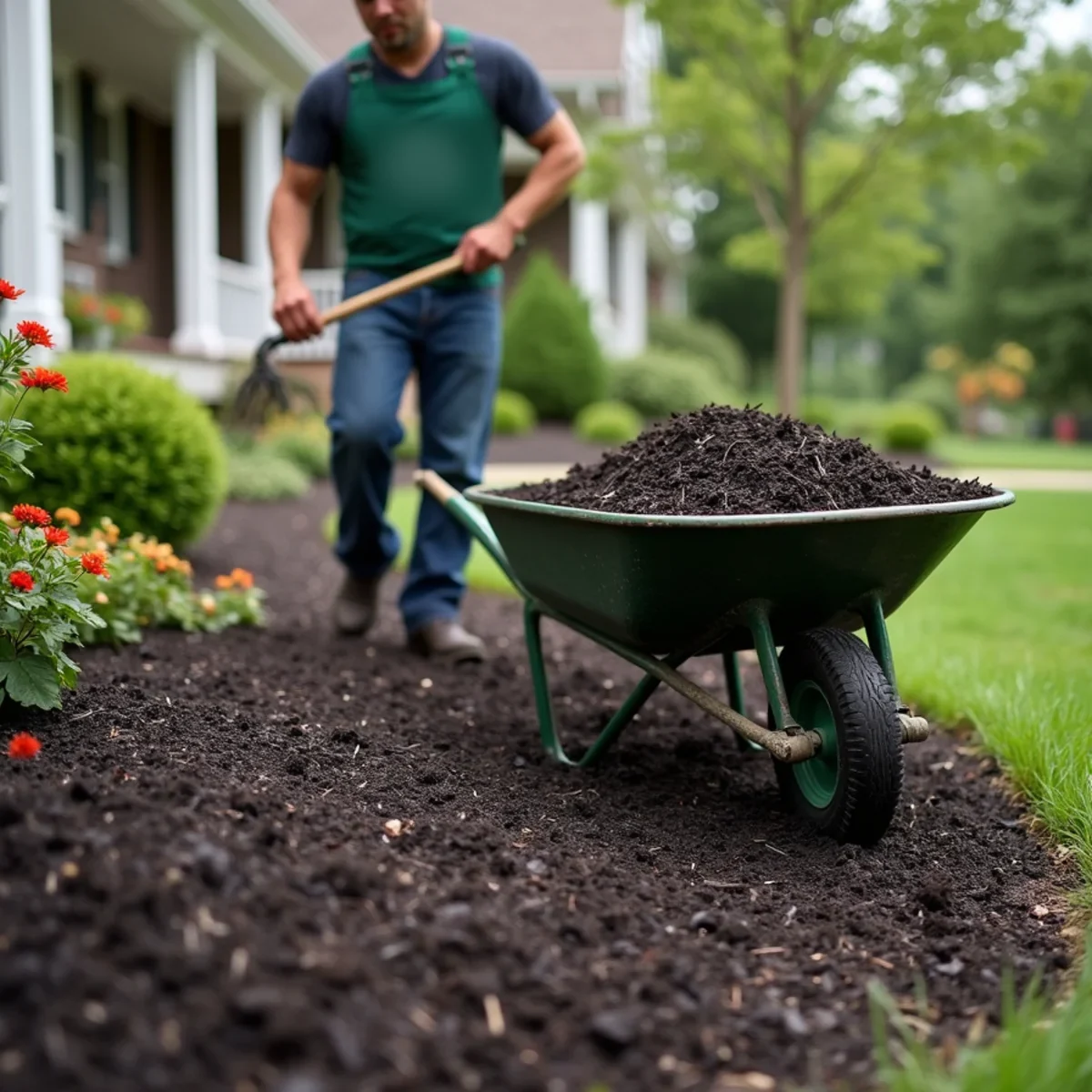
This is also mulch season for your beds. A fresh 2 to 3 inch layer of mulch does more than look tidy:
- Holds moisture in our clay through the dry stretches of summer.
- Keeps soil temperatures steady through the swings.
- Chokes out weeds before they start and cuts your bed maintenance in half.
Keep mulch pulled back a couple inches from tree trunks and shrub stems — piling it into "mulch volcanoes" rots the bark. If your beds have overgrown shrubs or you're reworking edges, spring is the right time to handle mulching and shrub removal before everything leafs out and the work gets heavier.
From the field
The mistake we fix most in spring isn't a missed step — it's a rushed one. Homeowners see one warm weekend, drag the mower out, and cut a wet lawn at two inches. On Hobart clay that soggy ground compacts under the wheels, and the low cut opens the door for crabgrass a month before we've even set the pre-emergent. We'd rather you wait a week than mow too early.
The other thing we watch closely is the forsythia-to-lilac window. It's tighter than people think — maybe ten days some years. When a warm stretch comes off the lake in late March, that window can slam shut by the first week of April, so we're already loaded and routing crews before the calendar says it's time. Miss it by a week and you're spot-spraying crabgrass all July instead.
One last field note: salt damage along driveways and the street edge is worse than most folks realize after a hard winter. Those brown, slow-to-green strips aren't always dead grass — they're salt-burned soil. A soaking rain or a deep watering to flush the salt, then a light reseed, brings them back faster than any fertilizer will.
Ready for a lawn that handles our seasons?
A great Northwest Indiana lawn isn't about one big effort in May — it's about hitting each spring window in order. If you'd rather spend the season enjoying the yard than chasing the calendar, Rome's crew keeps lawns from Hobart to Crown Point on the right schedule from the first thaw to the last mow. Reach out for your free on-site estimate and we'll build a plan around your soil and your lot.
Frequently asked questions
When should I put down pre-emergent in Northwest Indiana?
Aim for mid-April, when soil temperatures reach about 50 to 55°F and the forsythia are in full bloom. A warm, early spring off Lake Michigan can move that up a week or two, so watch the shrubs rather than the calendar.
How short should I cut my lawn in spring?
Keep it tall — 3 to 3.5 inches. Mowing high shades out weed seeds, protects the crowns, and helps grass build deeper roots for the summer. Scalping a lawn short in spring is the fastest way to invite crabgrass.
Should I seed my lawn in spring or fall?
Fall is better in our climate because cooler soil and steady moisture help new grass establish without summer heat and weed pressure. Spring seeding works if the lawn is bare, but you'll have to skip pre-emergent, which means fighting crabgrass. For most Hobart lawns, patch small spots in spring and do the big overseeding in fall.
Do I really need a soil test?
Yes, especially on our variable clay, which changes block to block across Crown Point and Hobart. A test tells you exactly what to add instead of throwing money at generic fertilizer. It pays for itself the first season.
Need help with fertilization & weed control?
The crew behind this guide handles lawn fertilization & weed control across Hobart and Northwest Indiana. Get a free, no-pressure on-site estimate.