The time to line up snow removal in Northwest Indiana is fall — before the first lake-effect squall, not after you're snowed in. A good seasonal plan covers plowing the drive, hand-shoveling the walks and steps, cutting back the apron pile, and salting to stop the melt-and-refreeze that glazes everything by morning. Booking early is what gets you on a reliable route before the crews fill up.
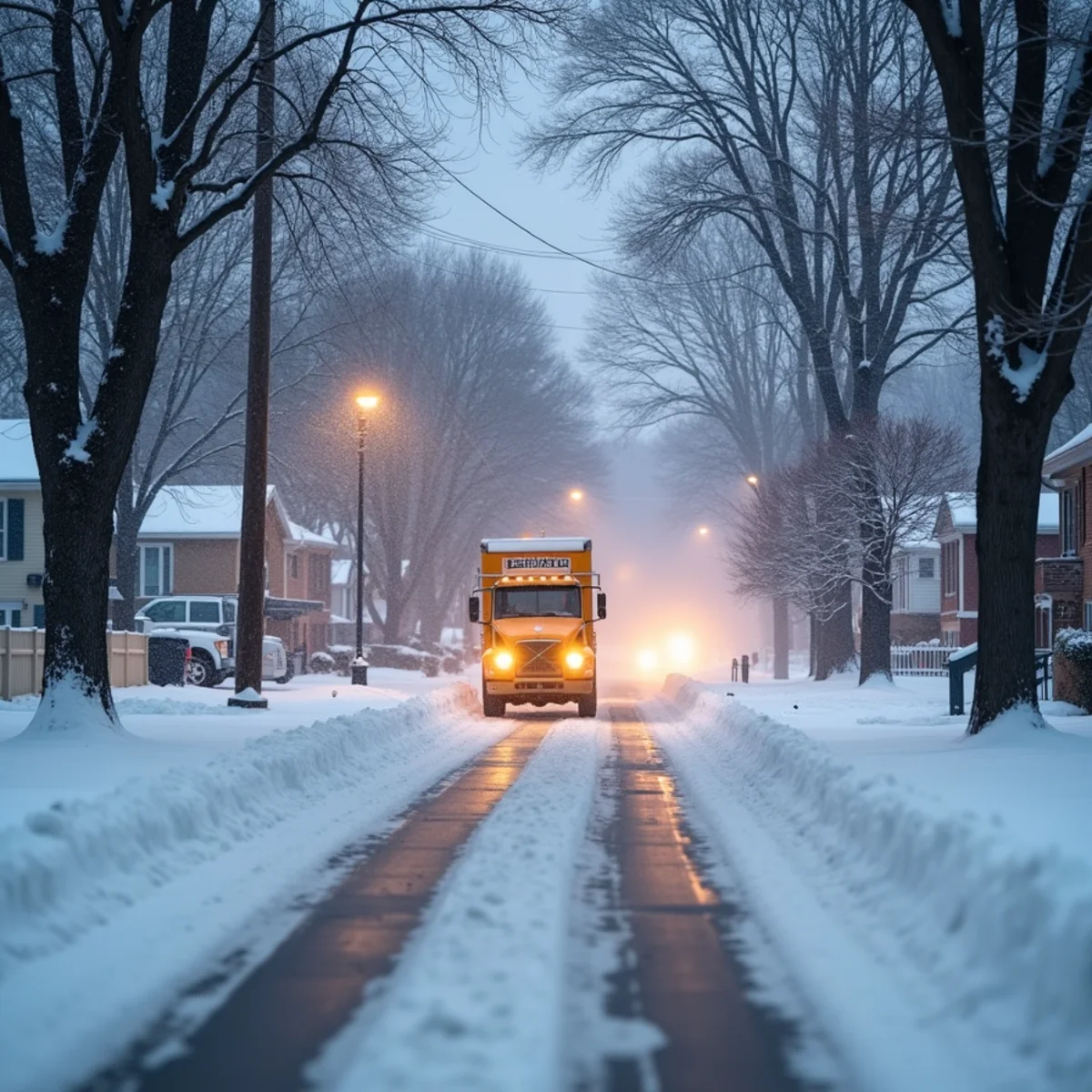
When a lake-effect band sets up off Lake Michigan, The Region can go from clear pavement to a foot of snow overnight — and again the next day. The homeowners and businesses who get through it easily are the ones who sorted out snow removal back in October, not the ones calling around during the first storm. Here's when to arrange it and what a plan worth paying for actually includes.
When to book: before the snow flies
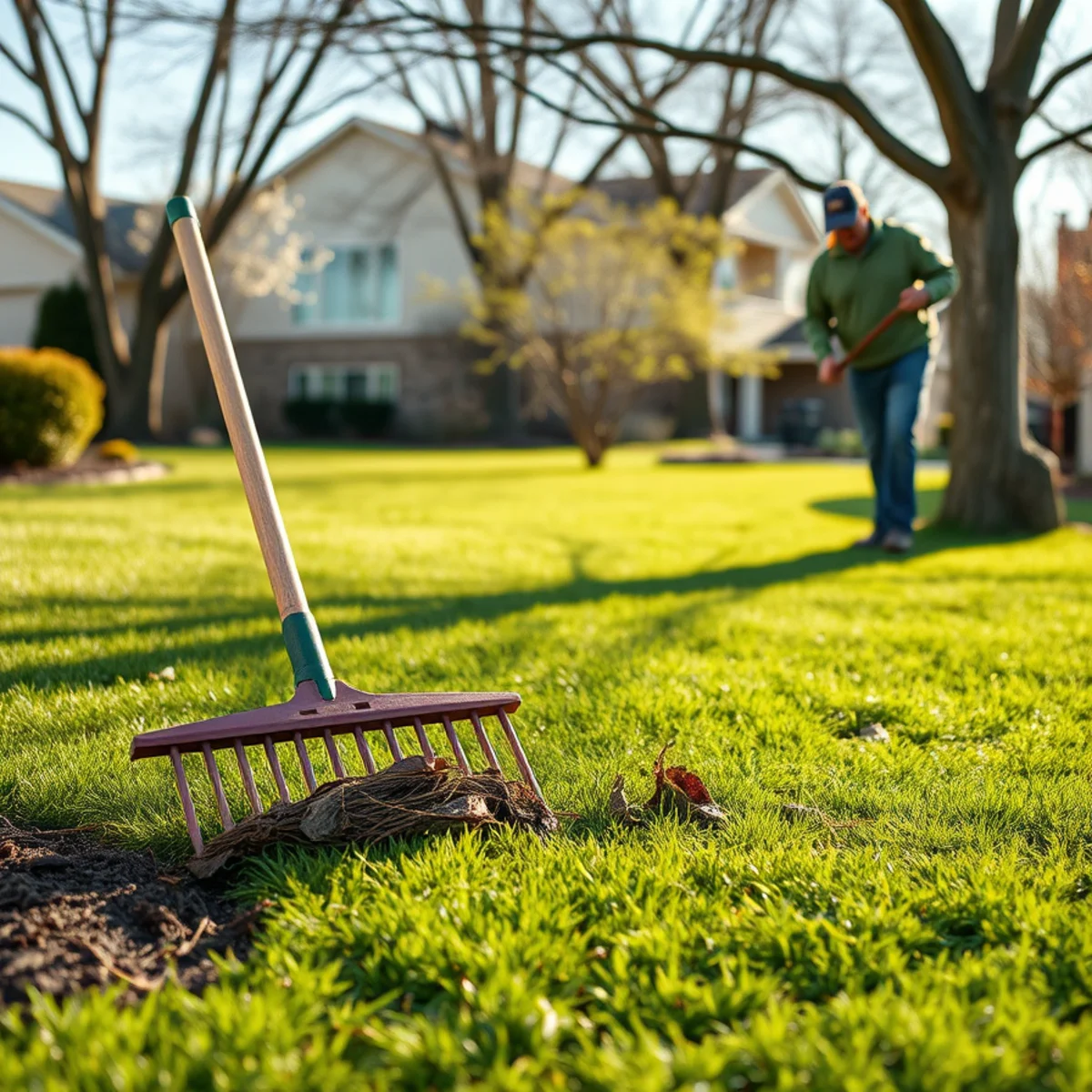
Line up snow service in fall. Reliable crews build their routes before winter and fill them up — wait until a storm is in the forecast and the good ones are already committed. Booking a seasonal spot early does two things: it guarantees you're on the route when the first squall hits, and it lets the crew map your property (where to pile snow, where the delicate edges and beds are) in daylight instead of a whiteout. It also pairs naturally with the rest of your fall wind-down — our guide to preparing your lawn and landscape for an Indiana winter covers the other moves worth making before the cold sets in.
What a real snow plan covers
"Snow removal" should mean more than one pass with a plow. A complete plan covers the property from the drive to the door:
- Plowing the drive, apron, and lots down to safe pavement.
- Cutting back the plow pile at the apron so you're not boxed in by the time you leave for work.
- Hand-shoveling walks, steps, side doors, and the mailbox approach where a plow can't reach.
- Salt and ice control on the cleared surfaces to break up ice and slow the refreeze.
- Repeat passes through long or heavy storms so it never gets ahead of you.
If a quote only mentions plowing the driveway, ask about the walks, the salt, and what happens during a multi-day event.
Why Region winters need more than plowing
Lake-effect winters don't play fair. Squalls dump fast and heavy, temperatures swing back and forth across the freezing line, and the melt-and-refreeze cycle glazes everything with ice by morning. A driveway that was clear at noon can be a sheet of ice by dark. That's why treating surfaces — not just pushing snow — matters so much here: salt and ice melt keep the cleared pavement safe as the temperature drops overnight. We watch the forecast and stage before the snow starts, so clearing starts with the storm instead of after it. See how we handle it on our snow removal and ice control service.
Homeowners vs. businesses
- Homeowners mostly need to get out on time and have a safe path to the door — drive cleared, apron pile cut back, walks and steps hand-shoveled so nobody's picking across ice.
- Businesses and property owners carry real liability when a lot ices over. An unsafe entrance is a fall waiting to happen, so commercial plans prioritize entries and handicap spaces, keep lots salted through business hours, and respond through the storm so the doors stay open.
Either way, the thing you're really buying is reliability — a crew that shows up every storm, not just the easy ones.
Ready to get on a winter route?
The best time to arrange snow removal is before you need it. Rome's crew keeps drives, walks, and lots clear and safe through every lake-effect storm across Hobart, Portage, and Northwest Indiana. Reach out through our contact page to get on the route before the first snow.
Frequently asked questions
When should I schedule snow removal for the winter?
In fall, before the first storm. Reliable crews fill their seasonal routes early, so booking ahead guarantees you're covered when the first lake-effect squall hits and lets the crew map your property in daylight. Waiting until snow is in the forecast often means the best crews are already full.
What should a snow removal plan include besides plowing?
A complete plan clears the whole property: plowing the drive and any lots, cutting back the apron pile so you're not boxed in, hand-shoveling walks, steps, and side doors, and salting to control ice and slow the refreeze — plus repeat passes during long storms. If a quote only covers the driveway, ask about the rest.
Why is salting important in Northwest Indiana?
Because our winters swing across the freezing line and the melt-and-refreeze cycle glazes cleared pavement with ice overnight. Plowing removes the snow, but salt and ice melt are what keep the surface safe as temperatures drop — especially on walks and entrances where a slip is most likely.
Do you handle both homes and businesses?
Yes. Homeowners get the drive, apron, walks, and steps cleared so they can get out safely; businesses get lots and entrances prioritized and salted through business hours to manage slip-and-fall liability. Both run on the same principle — a crew that reliably shows up every storm.
Need help with snow removal?
The crew behind this guide handles snow removal & ice control across Hobart and Northwest Indiana. Get a free, no-pressure on-site estimate.